London Borough of Camden, ‘People and Place: Camden’
Pilot Partnerships for London’s High Streets: Demonstrator 3
Case study
Image: Description (Credit: )
“By the community, for the community: the council’s role as enabler”
Meet Daniel Wainwright and colleagues at Camden Council lead the Borough’s Estates and Neighbourhoods Mission, working towards a goal that by 2030 Camden’s estates and their neighbourhoods will be healthy, sustainable and unlock creativity.
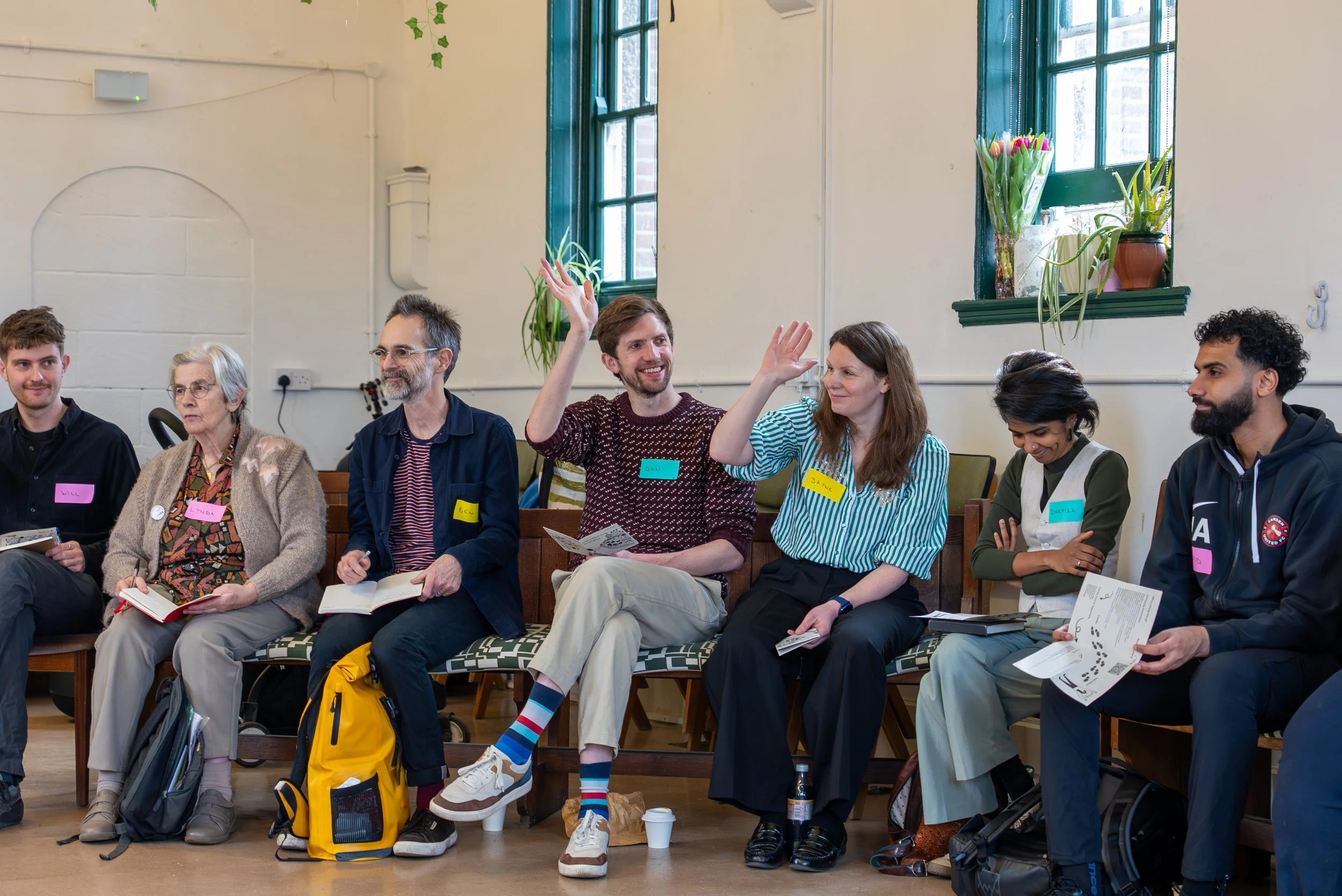
Image: Dan in the middle of the pic in the brown jumper with his hand up.
To bring this ambition to life, Camden Council partnered with Footwork's People and Place programme: bringing council officers and industry together, to provide mentoring, dialogue and relationship-building to help community innovators turn local ideas for empty buildings and land into reality. Alongside them, 17 community innovators across 9 projects are working to bring Camden's empty buildings and land to life, turning ideas rooted in local need into real projects.
Motivation & Challenge
"Camden Council already runs a range of programmes to enable residents to develop and deliver social action ideas. The We Make Camden Kit offers small grants and applications are decided by a panel of residents.
The Community Champions programme has created roles for dedicated community 'activators' working with residents on a selection of council estates to bring to life ideas that could support health and wellbeing. Nonetheless, there is often still a power imbalance between the owners of assets (council or private) and those using, or hoping to use, assets (i.e. local community innovators).
This can determine whether a community-led idea ever gets off the ground, and whether it can be sustained: who gets to make decisions about a local space? How can community innovators gain access to derelict land? Whose voices are heard? Who can secure fair terms for a lease? Who can access investment for retrofit?"
– Daniel Wainwright, Portfolio Lead, London Borough of Camden
Daniel’s team recognised there is often a power imbalance between the owners of assets (council or private) and those using, or hoping to use, assets (i.e. local community innovators). This can determine whether a community-led idea ever gets off the ground, and whether it can be sustained: who gets to make decisions about a local space? How can community innovators gain access to derelict land? Whose voices are heard? Who can secure fair terms for a lease? Who can access investment for retrofit?
Across Camden, community innovators are living this challenge first-hand:
-
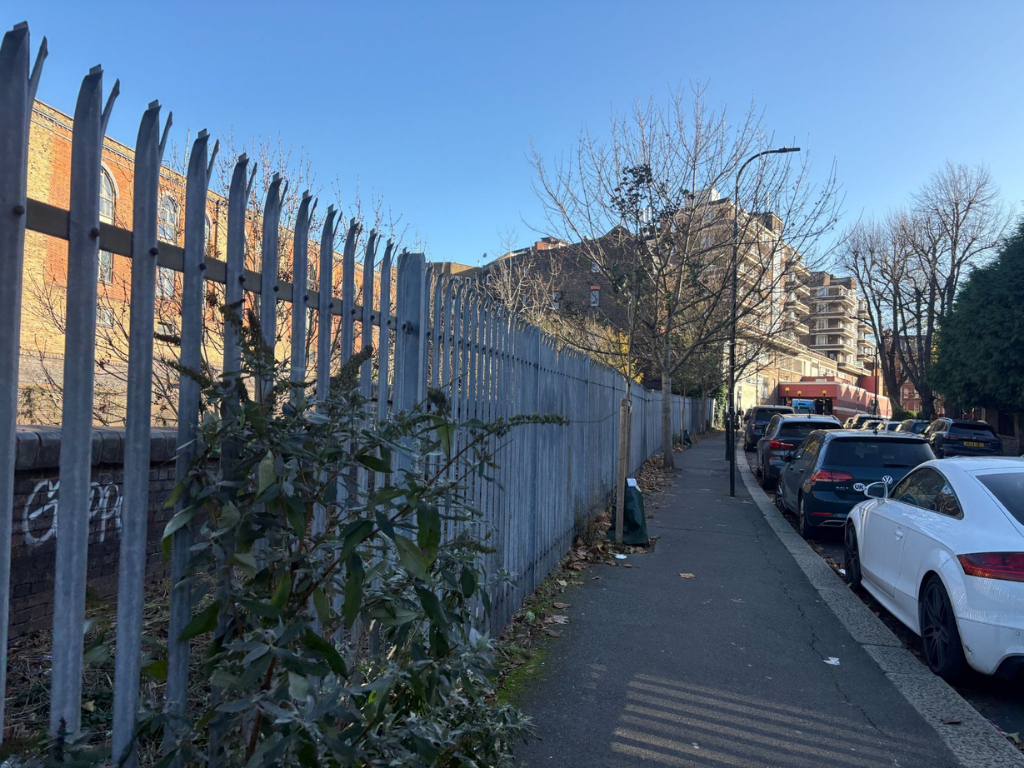
Project: Bloom: Along the Railway and Belong
“Families regularly pass an underused, littered space next to the playground, which feels unsafe and depressing, especially in wet or very hot weather. This affects wellbeing, pride and everyday community life. Our idea is to rewild it and transform it into accessible place of connection and safety.”
- Katie: (Bloom: Along the Railway and Belong)
Image by Footwork ©
-
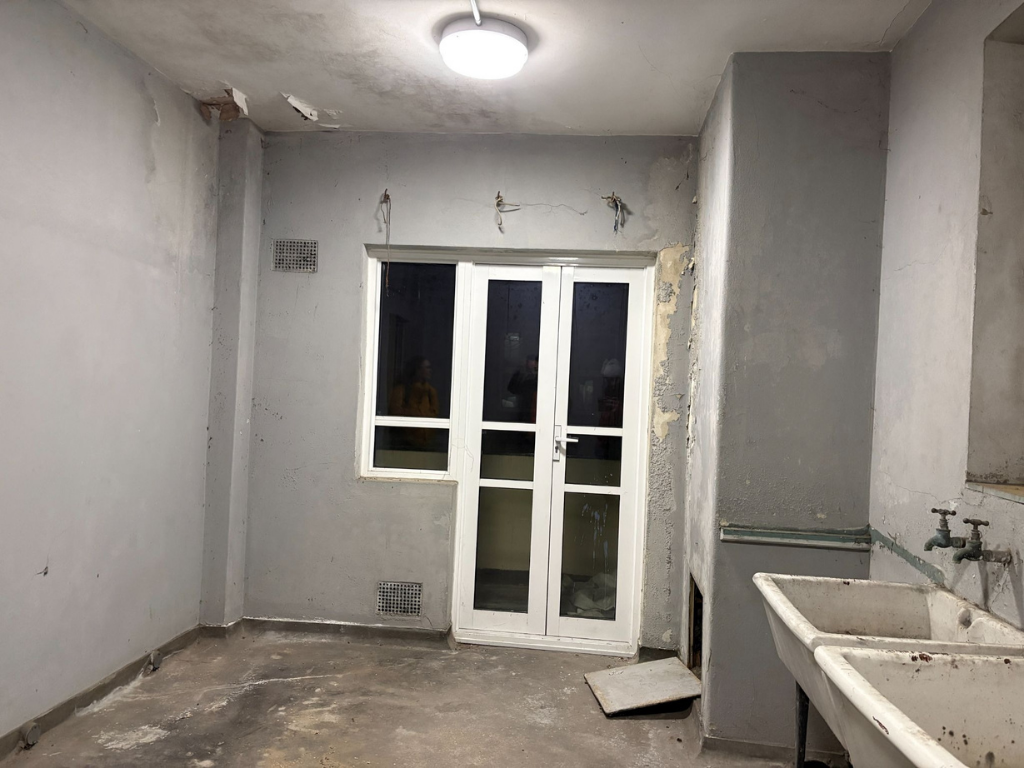
Project: Falcon Laundry Rooms
“Laundry rooms on the Falcon Estate have sat empty for many years while residents face, over crowding, damp homes and a lack of affordable space. Bringing these spaces back into use would help build community and trust.”
- Ben (Falcon Laundry Rooms)
Image by Footwork © -
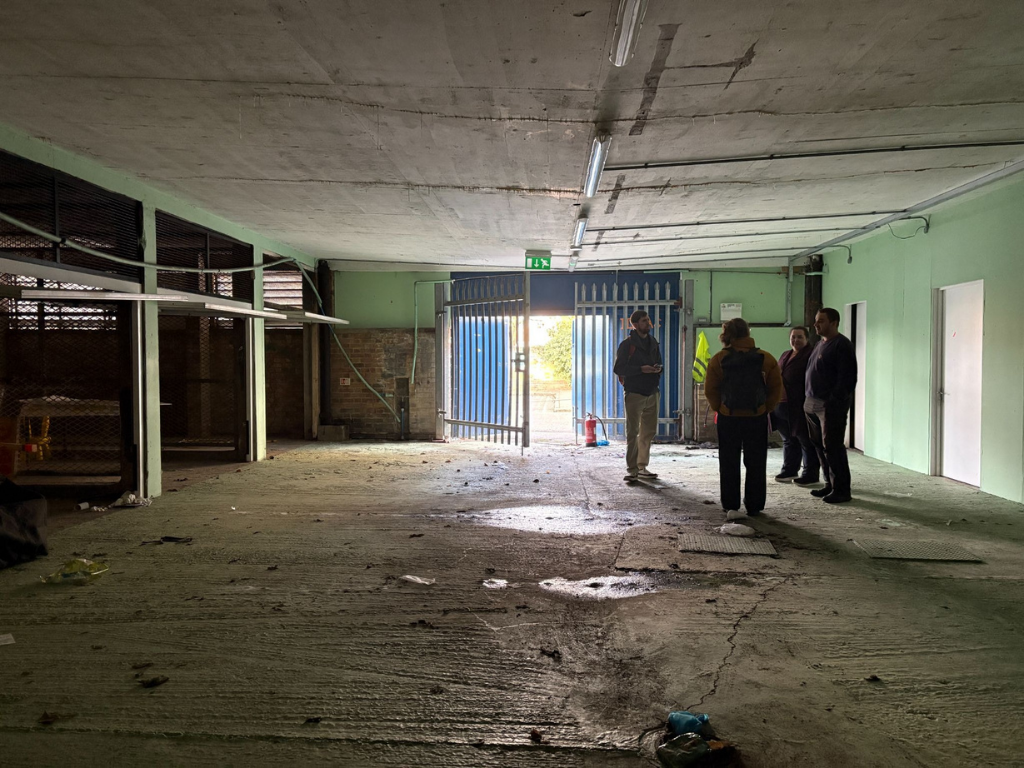
Project: Retrofit Reimagined on New Hilgrove Estate
“Residents have consistently identified the need for shared community space, support for young people and communal activities like food initiatives. Hilgrove Estate lacks a community hub, despite having a long-derelict building that could meet these needs.”
- Leo & Sharon (Retrofit Reimagined on New Hilgrove Estate)
Image by Footwork ©
The Vision
“The Estates Mission is already working to address many of these problems, in particular through our Vacant Spaces and Community Champions programmes. Both programmes work deeply with communities to enable residents to take action.
However, there is currently a gap in how we support residents to take on the responsibility of long-term place leadership in their communities.We want to create a cohort of empowered, networked, confident ‘place stewards’.” – Daniel Wainwright, Portfolio Lead, London Borough of Camden
That means:
Investing in the visions of local residents and community organisations supporting them to kickstart or develop projects that bring buildings and land into meaningful use.
Building longer-term capacity and collective local power among community innovators, through peer support networks and partnerships that last beyond individual programmes.
All of this needs a collaborative, partnership-based approach, rather than top-down.
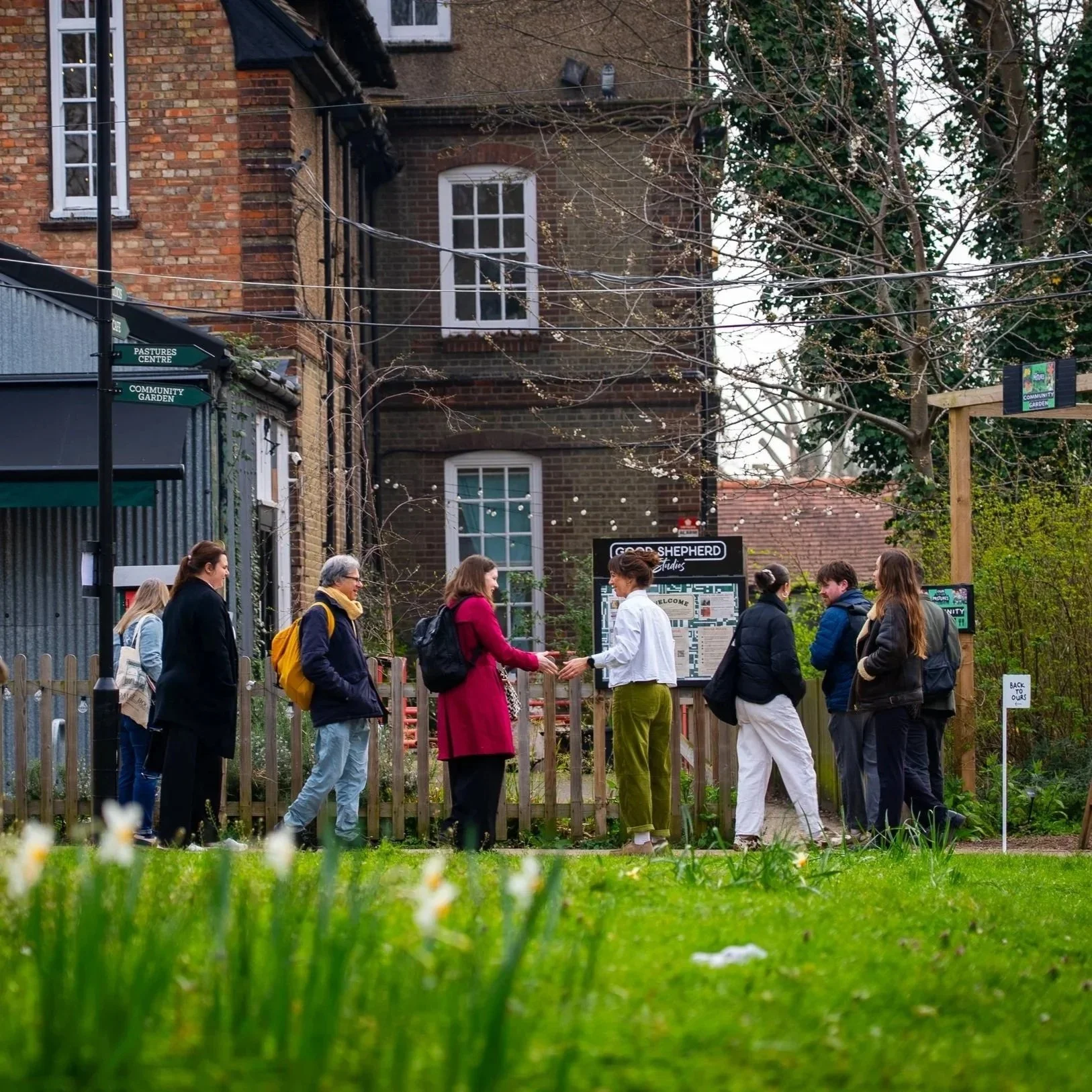
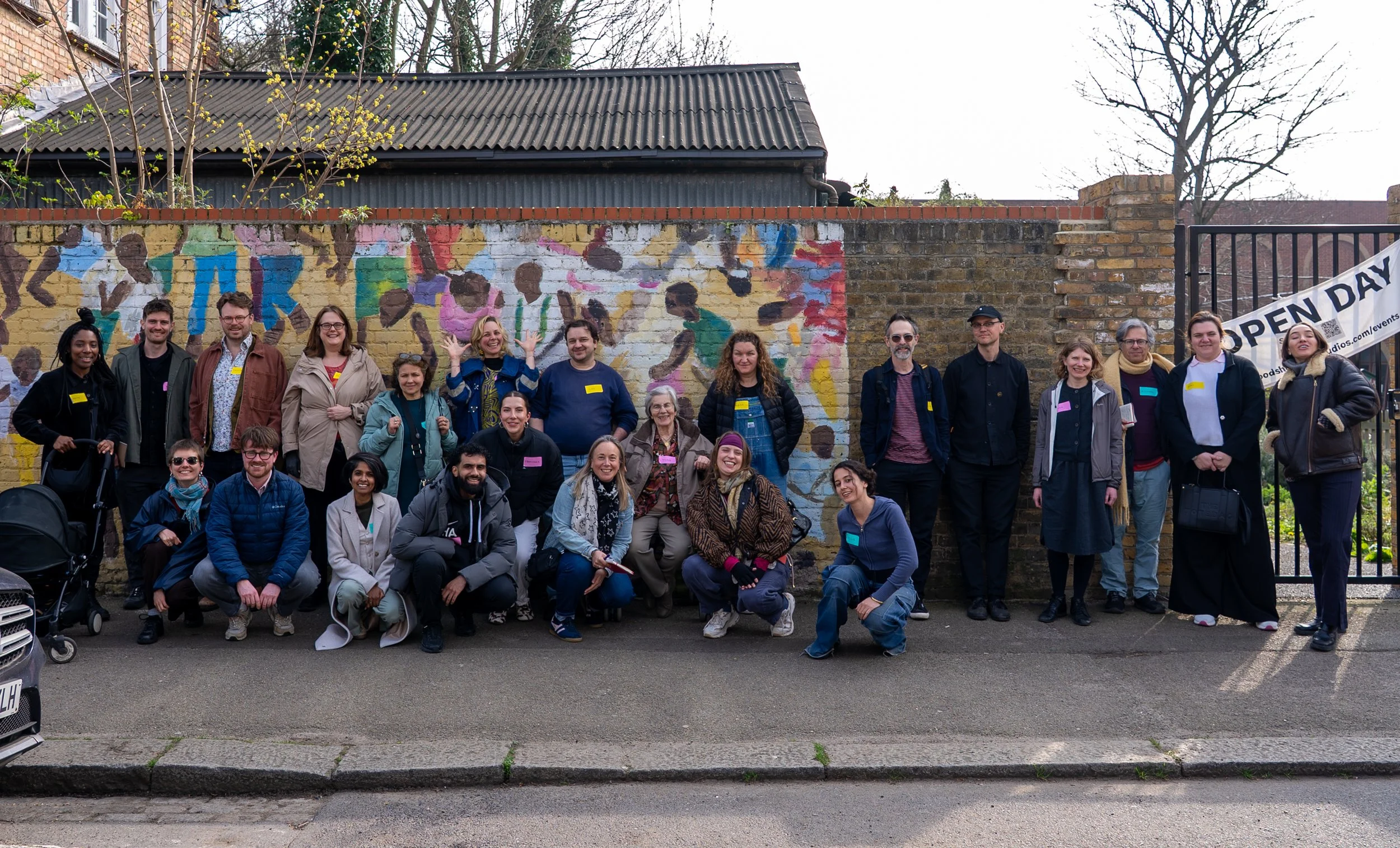
Image: People and Place Camden Spring field trip Image Credit: Natalie
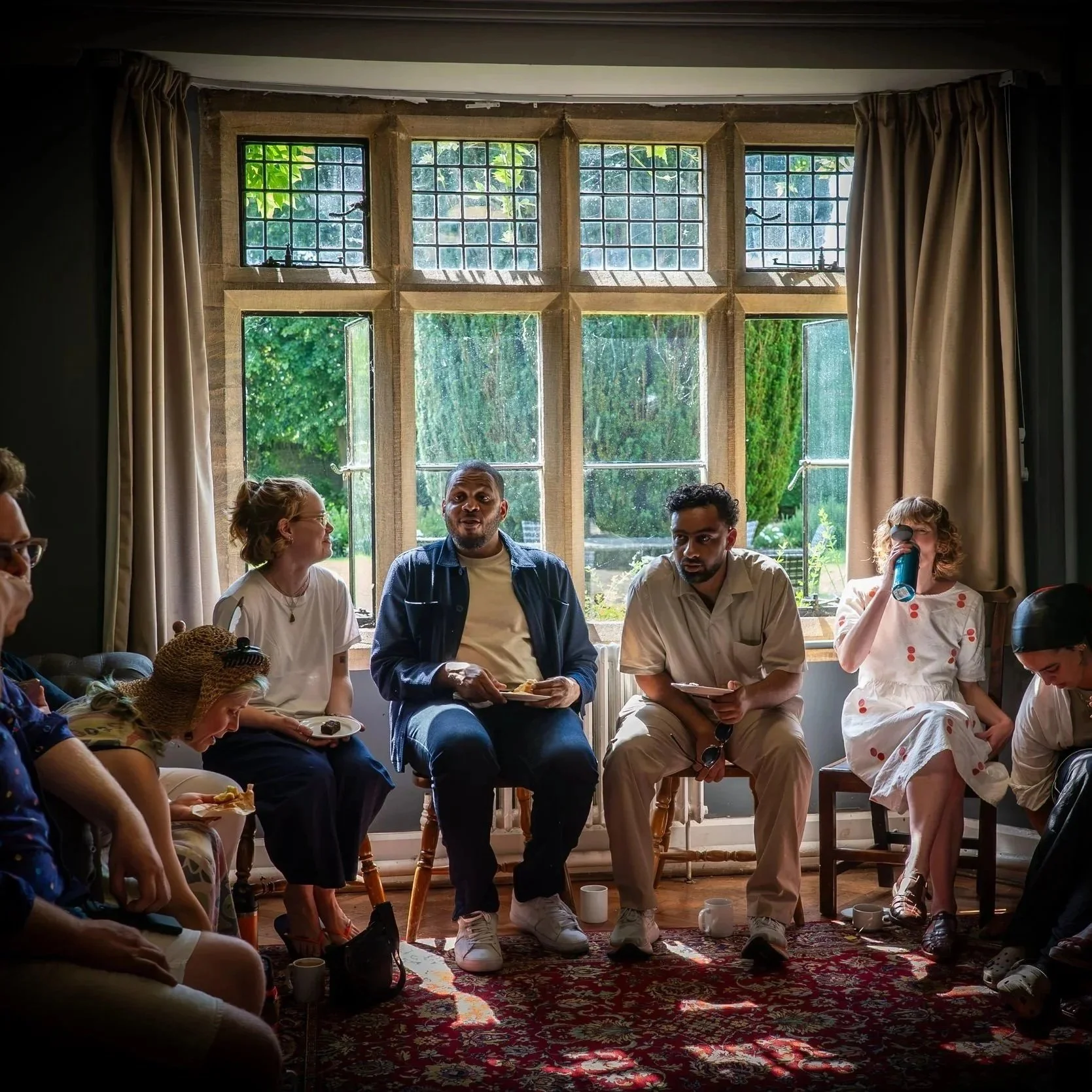
Image: People and Place Camden Spring field trip Image Credit: Natalie
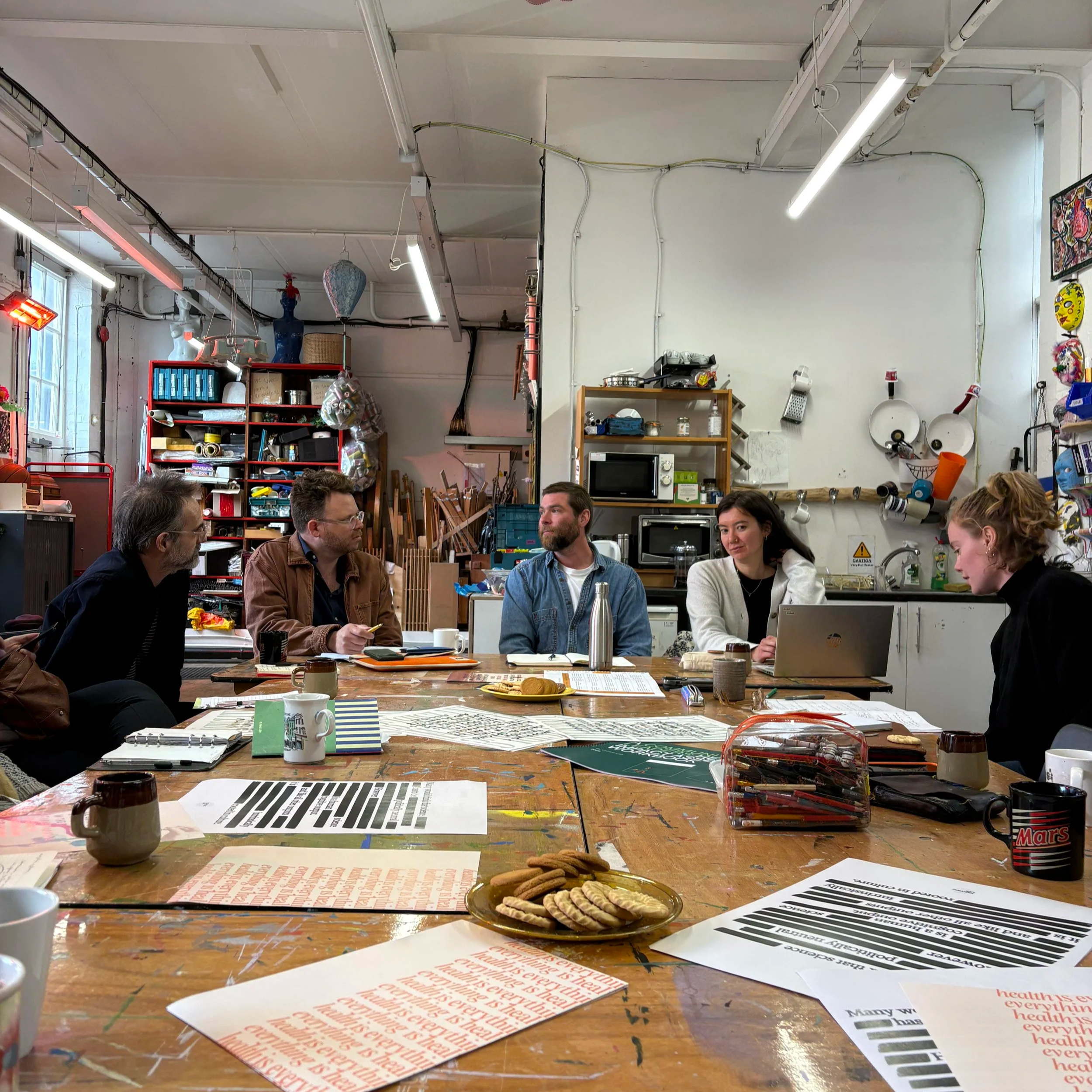
Image: Centric Lab technical huddle, hosted at Caito's Makeshop Image Credit: Footwork
To get there, what does good partnership look like?
In 2026, Camden Council is collaborating with charity Footwork Trust (Footwork) to launch ‘People and Place: Camden’ – a 12-month support programme for local community innovators who are working to transform neighbourhoods spaces across the Borough. This draws on Footwork’s three years of running national ‘People and Place’ programmes.
With the support of a Local Insights Group, nine innovators (groups and individuals) were selected. They’re each responding to a local issue or challenge and acting to shape their local environment. Their visions span many forms of ‘community asset development’: community ownership or use of buildings, greening and growing on land, transforming streets, retrofitting, facilities and hubs, advocacy for housing and greener neighbourhoods.
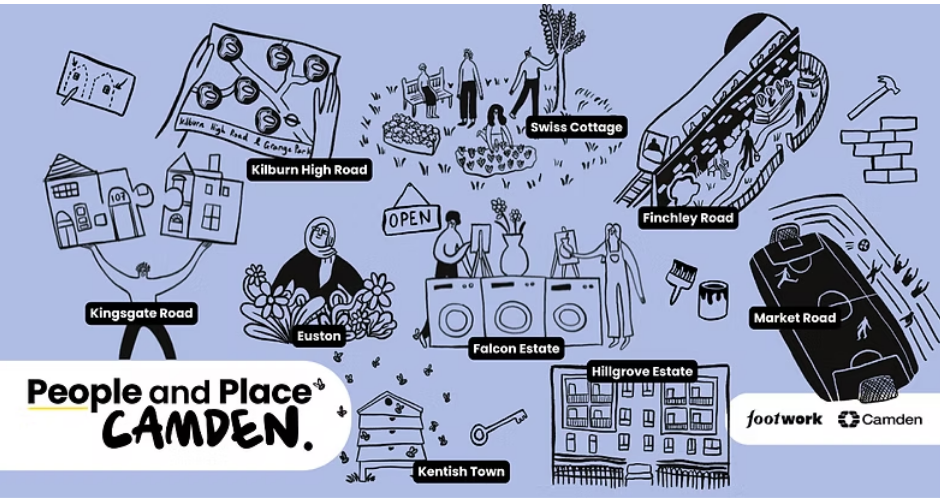
Illustration by Amy Browne
Through the programme, project leaders receive tailored support including expert mentorship, peer-learning opportunities, workshops, a £5,000 grant and opportunities to connect with other community asset developers across England.
Several threads of partnership run through People and Place, enabling new ways of working between the council, community innovators and other local stakeholders:
Council x Community innovators
As part of the programme, innovators connect with council’s regeneration and asset management teams through “buddy” relationships, workshops and events – to explore ways to unlock their ideas, remove barriers to securing or transforming assets, and bring other local stakeholders like developers and residents on board longer term.Innovators x One another
The nine groups form a cohort of place leaders. During the programme they learn from each other, support one another, share challenges and build relationships to last beyond the programme itself.
Footwork x Community innovators
Footwork convenes the cohort, creating and facilitating the peer-learning spaces, arranging peer-led visits to inspiring examples of community-led regeneration around the country, bringing in mentors and technical experts, connecting Camden’s innovators to a wider movement of community asset developers – and creating a supportive environment where new relationships between communities and the council and other partners can develop (or existing ones can be worked through and strengthened).
Innovators x Mentors
Mentors from across the built environment and community asset sectors offer guidance, encouragement, technical support and connections to help innovators move their ideas forward.
Innovators x Other local partners
As ideas or project stages develop, innovators begin forming partnerships with others who can help bring them to life – from private asset owners and funders, to architects, developers and fellow residents and community groups.
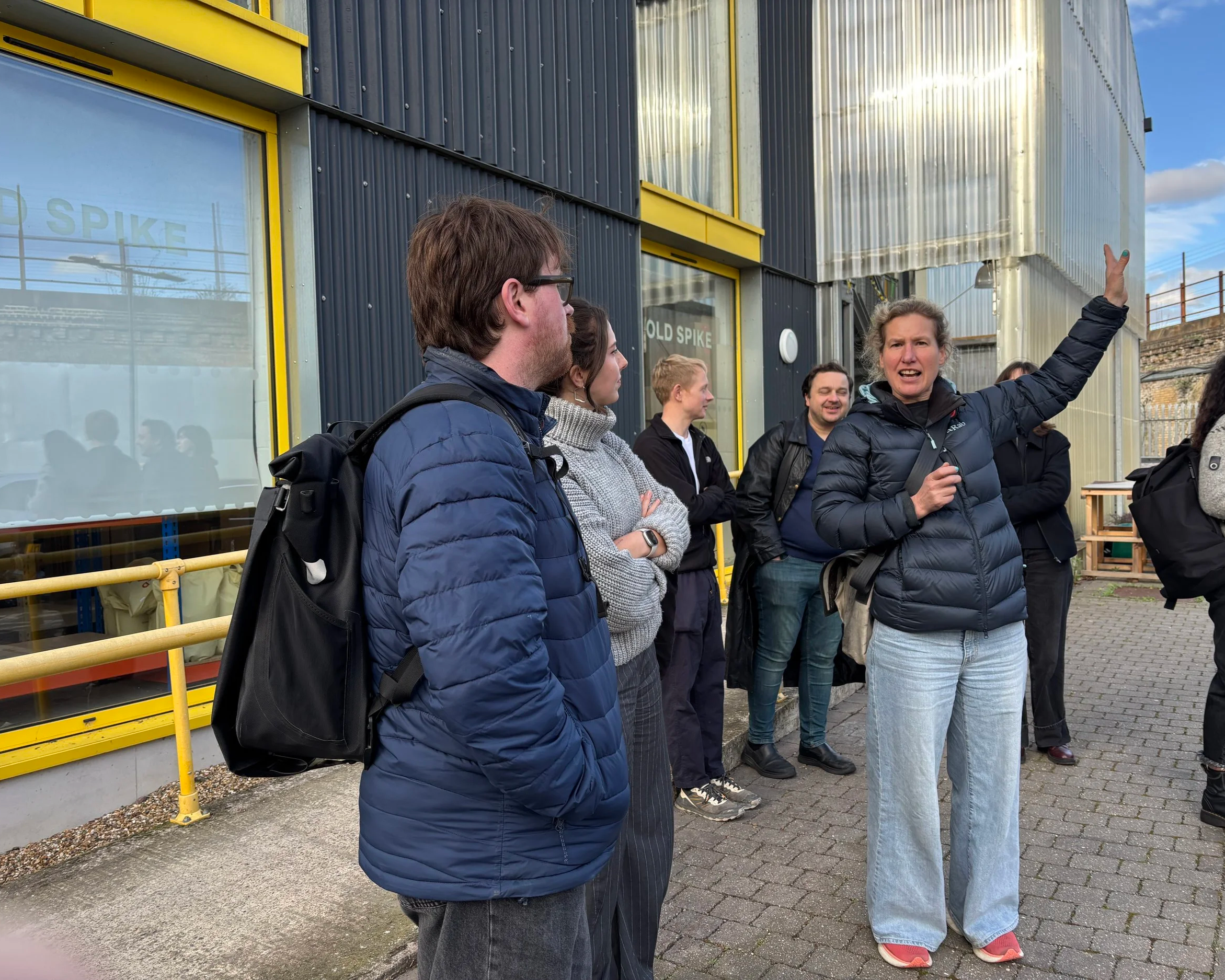
Image: Leo, Sharon, James and Francesca - site visit to LJ Works.
Credit: Footwork
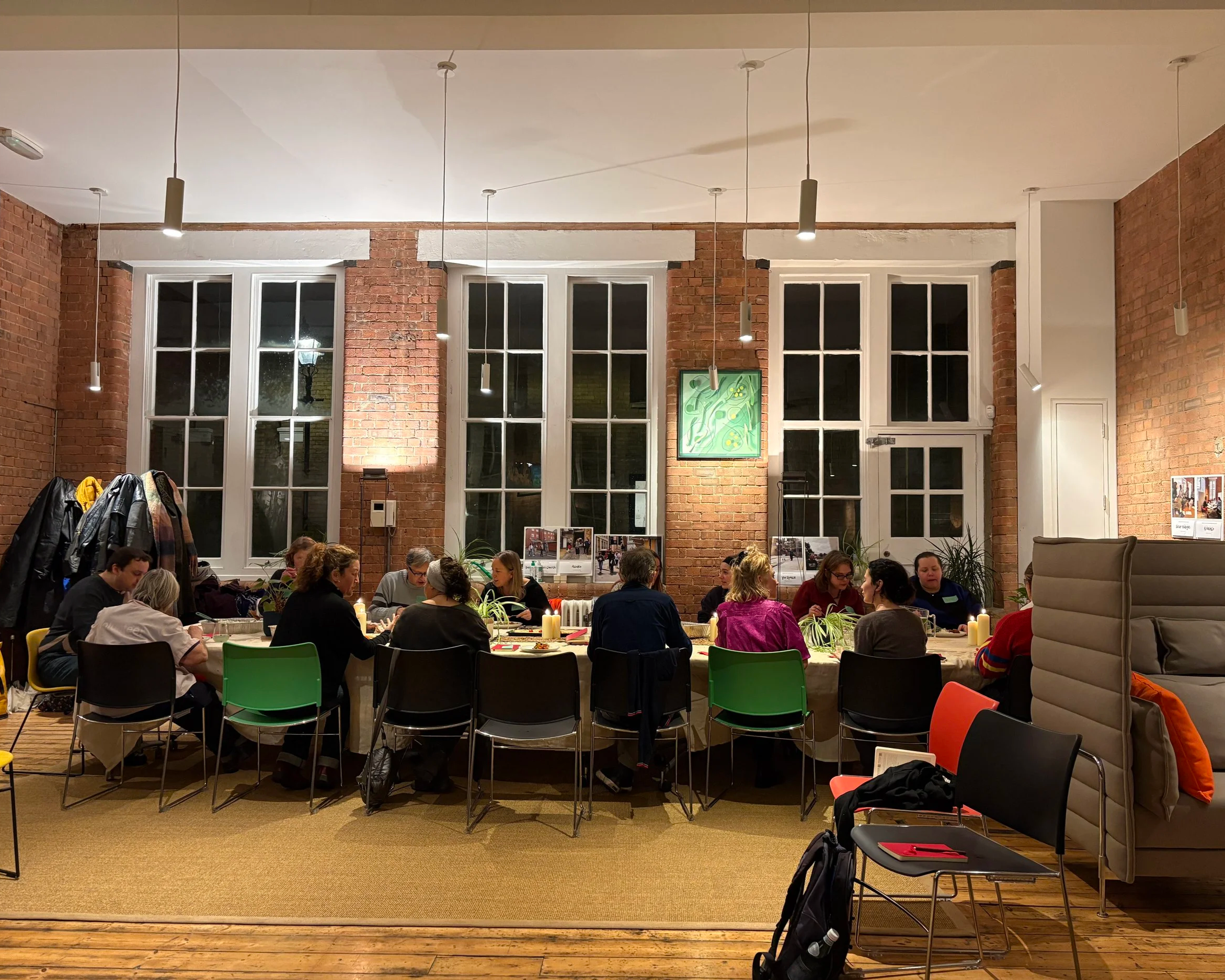
Image: People and Place Camden Kick off.
Credit: Footwork
Why is a programme-based partnership needed?
“We know that when community place leaders and innovators are not well supported, it can lead to burnout, isolation, and fatigue. This is especially true of leaders from marginalised communities who have traditionally been under-resourced and are responding to deeply specific neighbourhood needs. As well as emotional and peer support, those community leaders need the capacity and confidence in navigating the wider system of placemaking and local development.” – Footwork
The programme is designed to help address such gaps:
Knowledge, transparency and understanding about property/asset decision making processes (planning, ownership, acquisition) and power holding
Capacity for teams to engage in longer term strategic planning, rather than ‘fire-fighting’ in response to the immediate needs of their community
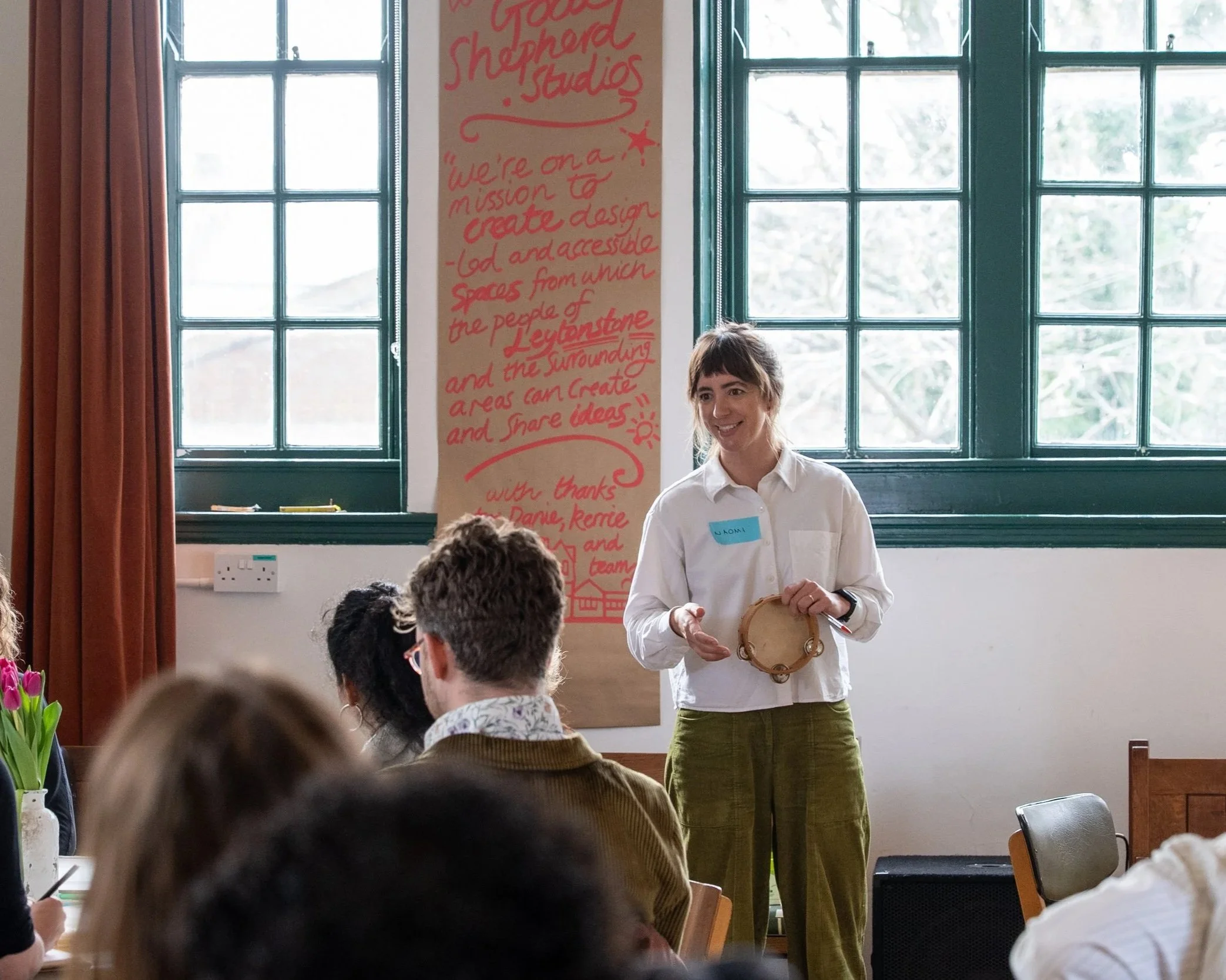
Image: Naomi (Footwork) with the tambourine at Good Shepherd Studios in spring.
Credit: Footwork
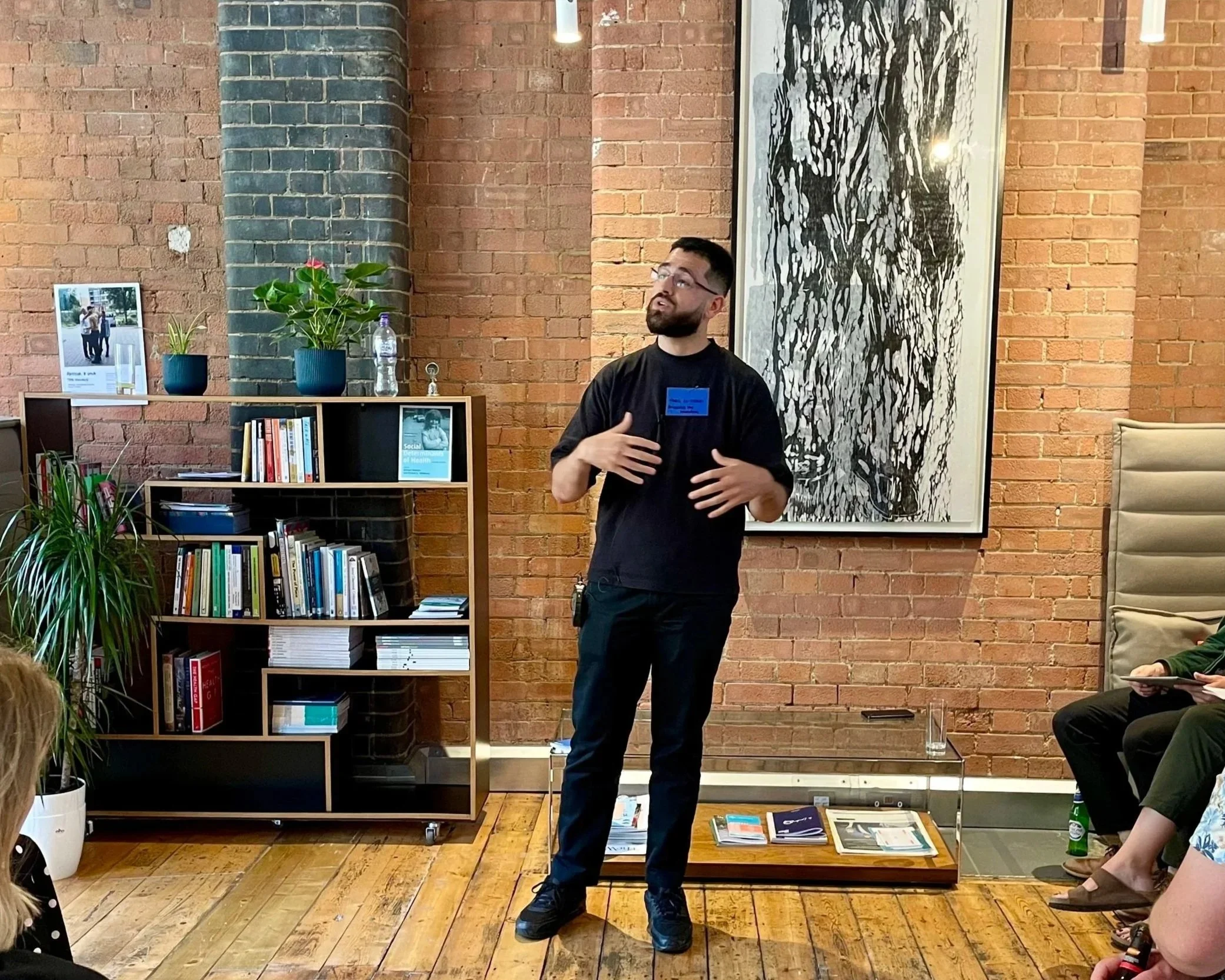
Image: Gathering at Footwork HQ.
Credit: Footwork
What we’re learning so far
Key enablers
Collaborative council:
Forward-thinking local authorities willing to pilot new partnership models
Programme and funding partners:
Support, and national learning and networks from Footwork, and funding partnership from Mayor of London
Revenue grants:
Unrestricted grants give innovators ‘headspace’ to participate, to participate and develop their ideas
Local appetite:
Strong engagement from residents and community organisations ready to drive change in their neighbourhood through space stewardship
Technical support:
Engaged council officers playing ‘buddy’ role
Committed built environment partners offering pro-bono technical support to help navigate complex development processes
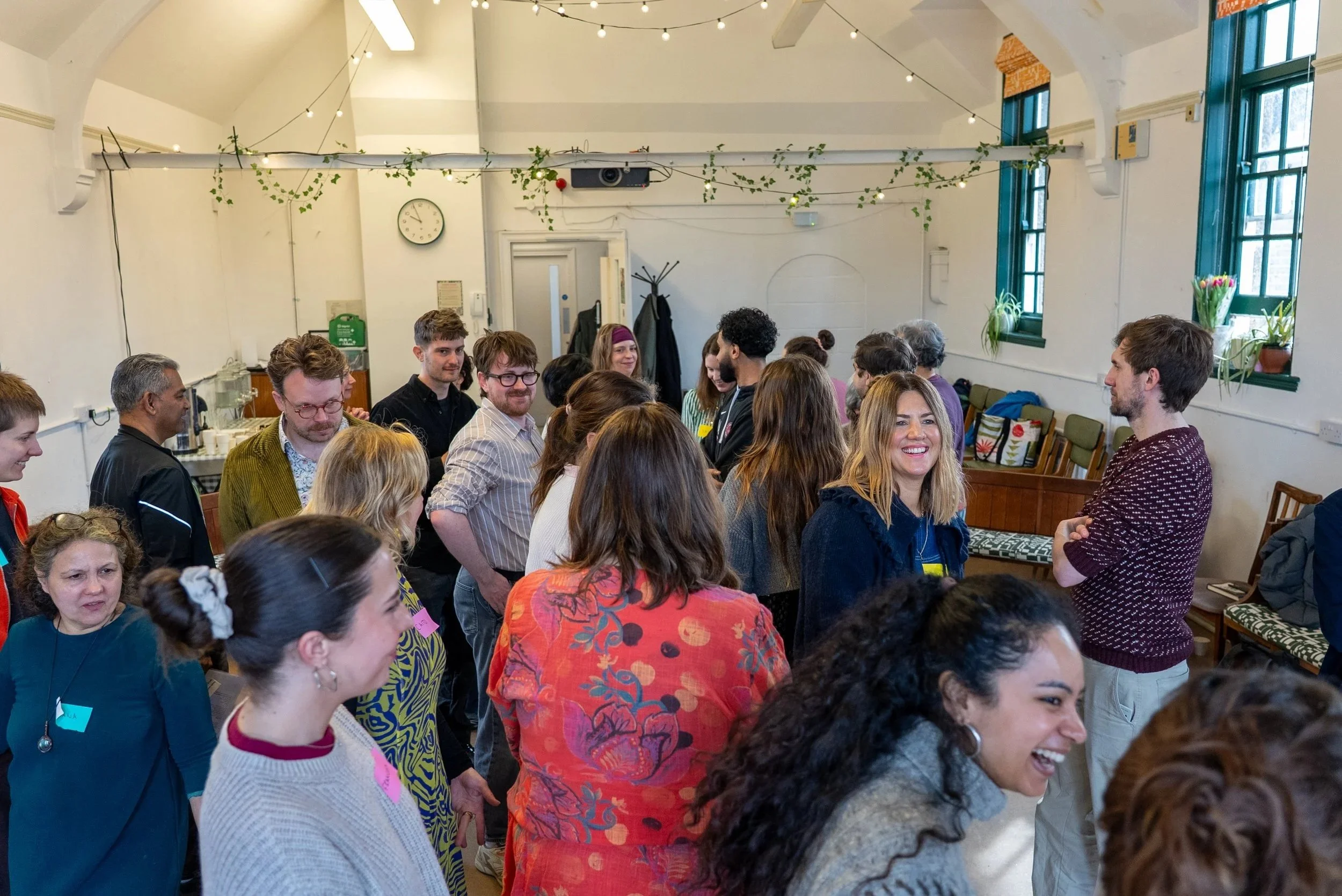
Image: Description (Credit: )
Key blockers
Revenue funding gaps:
Many projects face a funding cliff after early-stage programmes, highlighting the importance of building relationships with funders and developing viable long-term models in the 12 months
Council capacity:
Supporting mission-led, community-led use of property requires time and capacity from local authority teams – and may be challenging to get going in other local authority contexts who don’t have the same ‘first mover’ characteristics/capabilities
Council risk appetite:
Council appetite to move from communities ‘leasing and stewarding’ to communities ‘owning’ community assets requires shifts in policy and framing of risk
Communicating impact to private asset owners:
Demonstrating the social and economic impact of community-led projects will be key to unlocking privately owned vacant spaces and funding streams such as Section 106 contributions
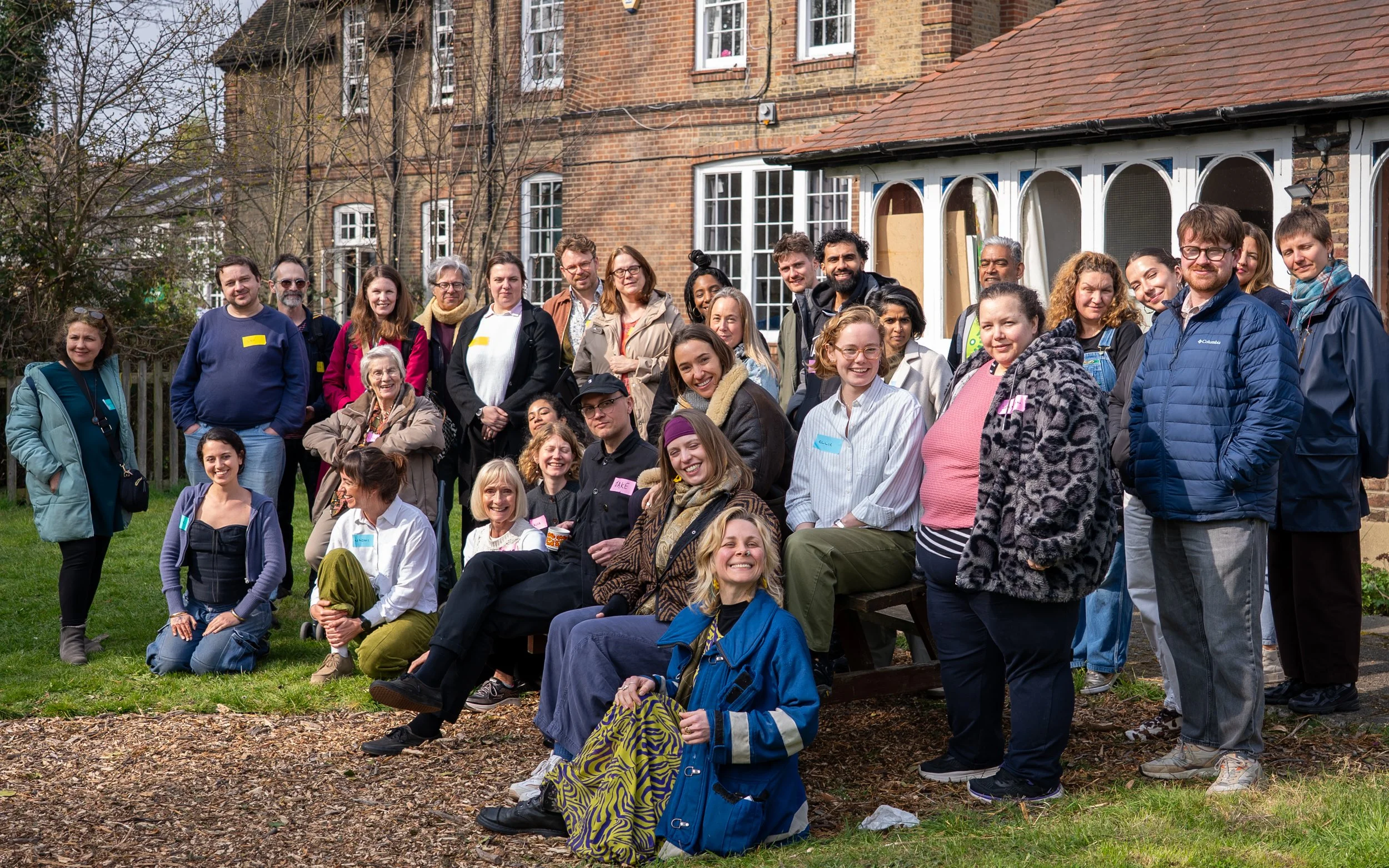
Image: Description (Credit: )
We hope to see …
20 local innovators better equipped to partner with the council on shaping their built environment
9 flourishing partnerships between community groups and council partners
10,000 sqm total space transformed (and 10s of high street spaces opened)
Secure £9M in capital and revenue funding to enable this
And ultimately:
A long-term network of place stewards in Camden making lasting change for healthy, sustainable, creative estates and neighbourhoods
“This is all about giving power to people who have deep roots in our communities and have the vision, tenacity and desire to make changes in their neighbourhoods or on their local estates.”
- Councillor Sagal Abdi-Wali
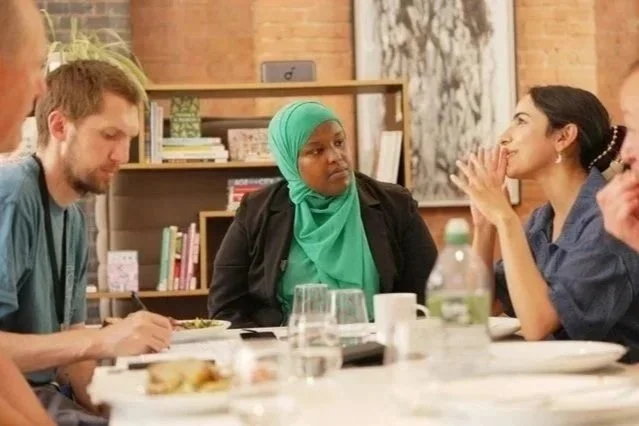
Image: Councillor Sagal Abdi-Wali at a peer gathering at Footwork HQ
Credit: Tyler Freeman Smith
Want to know more about the Pilot Partnerships for London’s High Streets three live high street demonstrator projects?
Additional part-funding from the Mayor of London and UK government through the UK Shared Prosperity Fund
About: Pilot Partnerships for London’s High Streets
Footwork is participating in a pilot project, as part of the Mayor of London's work to support more mission-driven use of property across the city's high streets.
Together with Footwork, Platform Places and Wandsworth Town Property Partnership, we’re developing and investing in three live high street demonstrator projects unlocking vacant property for affordable workspace and community and cultural uses. We’re building momentum, leadership and learning towards replicating more partnership models across London’s town centres.