
Community Power on the High Street: Taking on Buildings for Local Transformation
Highlights and how-tos from the first 6 months of the Local Property Partnerships pilot programme (2024-2027)
Thanks to funding from:

What happens when communities start holding power to acquire buildings and transform their places?
Over three years, community leaders in five neighbourhoods are building Local Property Partnerships, to unlock multiple assets for local benefit in Darnall Ward (Sheffield), Bedminster (Bristol), Knowsley & St Helens (Liverpool City Region), Byker & surrounding areas (Newcastle), and Wandsworth Town (London).
Read on to explore some of the:


Part A
Highlights so far
How they’re…
Unlocking buildings
Transforming neighbourhoods by acquiring community assets is a long journey. It’s deeply locally-rooted and not always linear. But there are common steps, including: convening representative local leaders; visioning and ownership mapping; identifying key buildings and commissioning feasibility studies; negotiations and fundraising, and creating organisational structures to steward assets.
Here’s a glimpse of what’s underway in five different contexts:
-
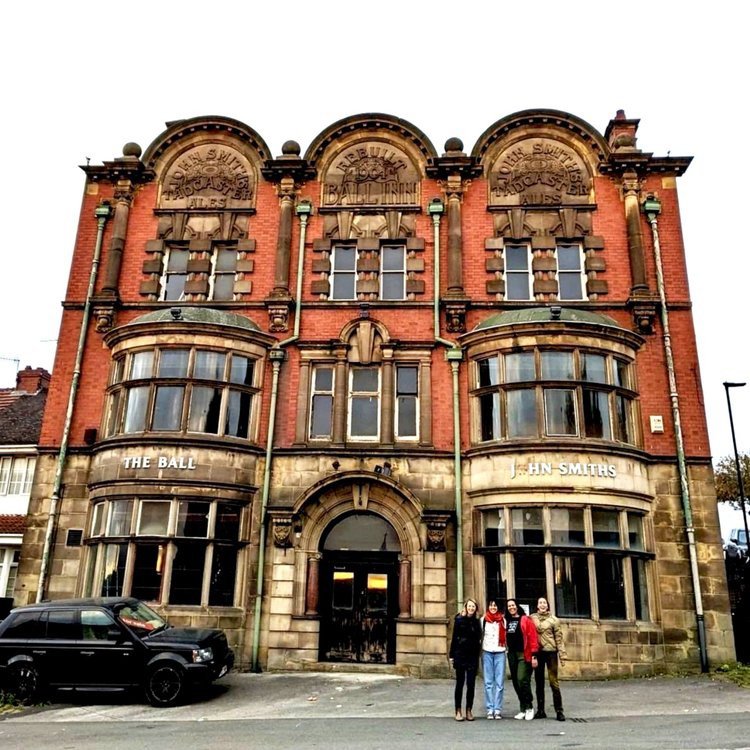
A social justice hub for Darnall Ward
Brightbox (convenor of the local “Collective”) is making rapid progress on plans to acquire and transform a historic pub into a Centre for Social Justice. The property has been taken off market while they fundraise.
Image by Platform Places ©
-

'Street and a Half’ unlocked in St Helens
Kindred LCR has secured a cluster of spaces (the ‘Street and a Half’ property) and is reanimating them with the local social-impact and creative community in St Helens, with a view to a 30-year lease.
Image by Kindred LCR © -

A 10-year social value lease in Wandsworth Town
Wandsworth Town Property Partnership and local developer ARC LRE Ltd have agreed a 10-year social value lease as part of reviving a former Salvation Army building.
Image by GRID Architects Limited ©
-

Scoping space for community use in Bedminster
Now known locally as ‘Bedminster Works’, this partnership has been mapping and matching a network of spaces with community organisations, so far enabling three feasibility studies — and working with local resident groups and developers of a former church on a multi-use community centre.
-

Mapping anchor assets in Newcastle
The ‘Stottie Power’ partners have identified several key spaces in Byker and neighbouring areas. Dialogue is underway, with progress on building evaluations and fundraising, towards a network of high street hubs for local food, arts, start-ups, skills sharing and community events.
Image: A walk through Shields Road with lead local partner Big River Bakery © -

Unlocking space for the sharing economy
Bedminster Works is supporting Share Bristol’s efforts to capitalise on a ‘meanwhile’ opportunity and find a long-term home.
Image by Share Bristol ©
“Having three-year funding is so important. We can stay in the negotiation room, play the long game. Different assets come and go, but the relationships and partnerships are here to stay. We’re able to say: ‘We’re here. We’re part of the built environment for the long term’.”
23 buildings shortlisted, and counting…
-
![]()
Lease secured
Prospective hotel ground floor space, for cafe and community hub (subject to planning)
Owner: local private developer
Enabled by: social value lease -
![]()
Pursuing
Former department store
Owner: private owner
Potential use: hub for community, food and social enterprise incubation -
![]()
Scoping
Long-term disused building
Owner: local authority
Potential use: TBD with local partners and community -
![]()
Pursuing
Community centre
Owner: local authority
Potential use: mixed-use community space -
![]()
Lost to commercial offer
Former bank
Owner: high street bank
Potential use: mixed-use community hub -
![]()
Lease secured
Multiple spaces for a Socially-Trading Organisation hub
Owner: local authority
Enabled by: partnership -
![]()
Pursuing
Former pub
Owner: property developer
Potential use: multi-use community and climate hub -
![former church]()
Pursuing
Former church
Owner: private developer
Potential use: student accommodation and community-led wellbeing hub -
![]()
Pursuing
Housing estate ‘hobby rooms’
Owner: housing developer
Potential use: community culinary hub and training -
![]()
Pursuing
Market-based space
Owner: local authority
Potential use: women-led creative health space (short lease secured, pursuing longer alternatives) -
![]()
Pursuing
Retail unit(s)
Owner: property developer
Potential use: community nightlife -
![]()
Scoping
Former public bathhouse
Owner: local authority
Potential use: community hub and bakery -
![]()
Scoping
College community hub
Owner: housing association
Potential use: skills, net-zero and events hub -
![]()
Scoping
Grade II listed building
Owner: local authority
Potential use: mixed-use community space -
![]()
Pursuing
Former chapel
Owner: Private asset owner
Potential use: democracy and community journalism hub -
![]()
Scoping
Redevelopment
Owner: institutional investor
Potential use: creative, arts, food and retail hub -
![]()
Scoping
Former pub
Owner: large local housing developer
Potential use: mixed-use, community pub and workshop -
![]()
Pursuing
High street unit
Owner: private developer
Potential use: longer, secure tenancy for a Library of Things -
![]()
Pursuing
Former gasworks
Owner: private developer
Potential use: TBD with local partners and community -
![]()
Lost to commercial offer
Former convenience store chain
Owner: private landlord
Potential use: community hub (food, training rooms, social enterprise incubation) -
![]()
Pursuing
Former pub
Owner: private individual
Potential use: centre for social justice -
![]()
Lost to commercial offer
Former high street retail chain
Owner: commercial property developer
Potential use: mixed-use community hub -
![]()
Scoping
Disused for 10+ years
Owner: local authority
Potential use: culinary training rooms


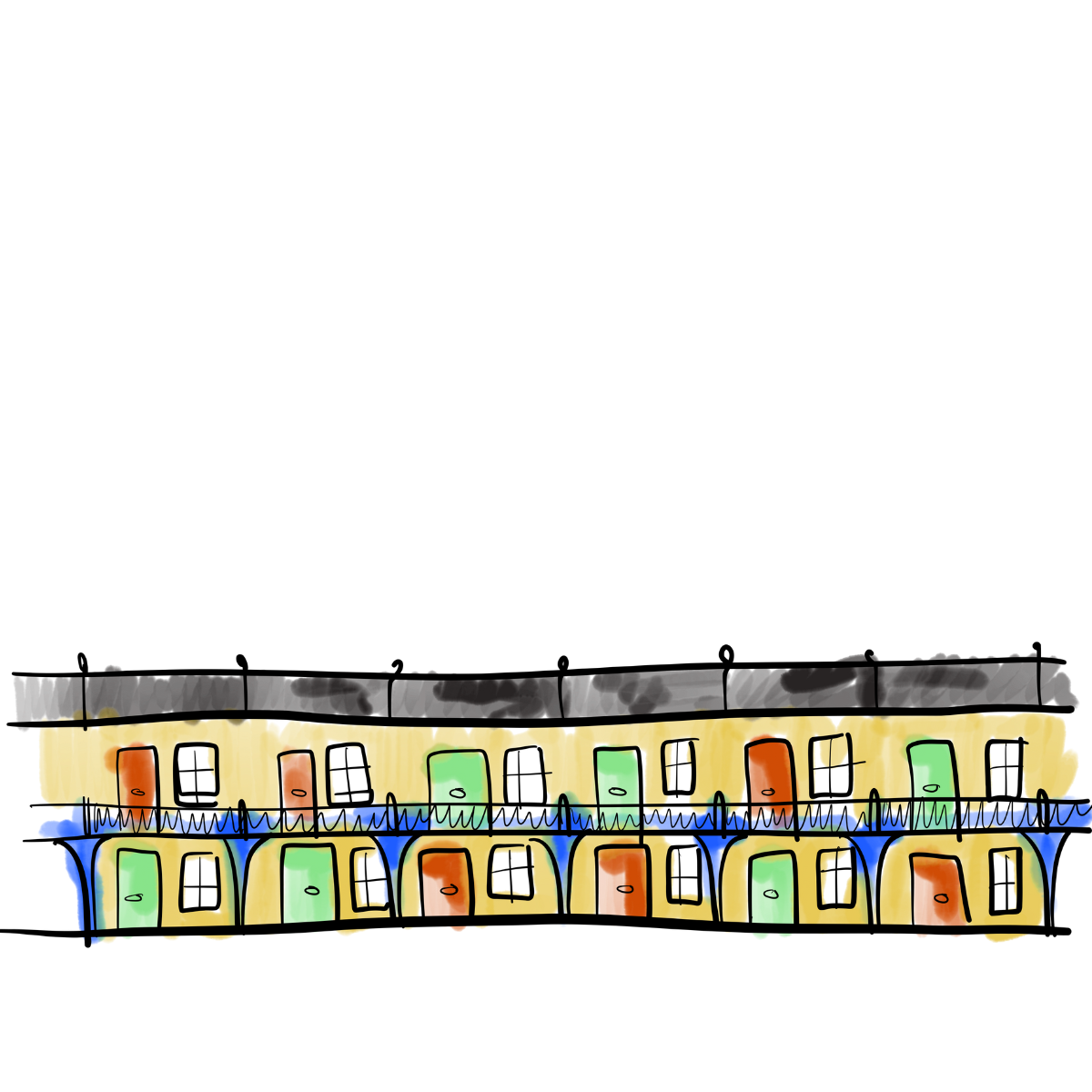



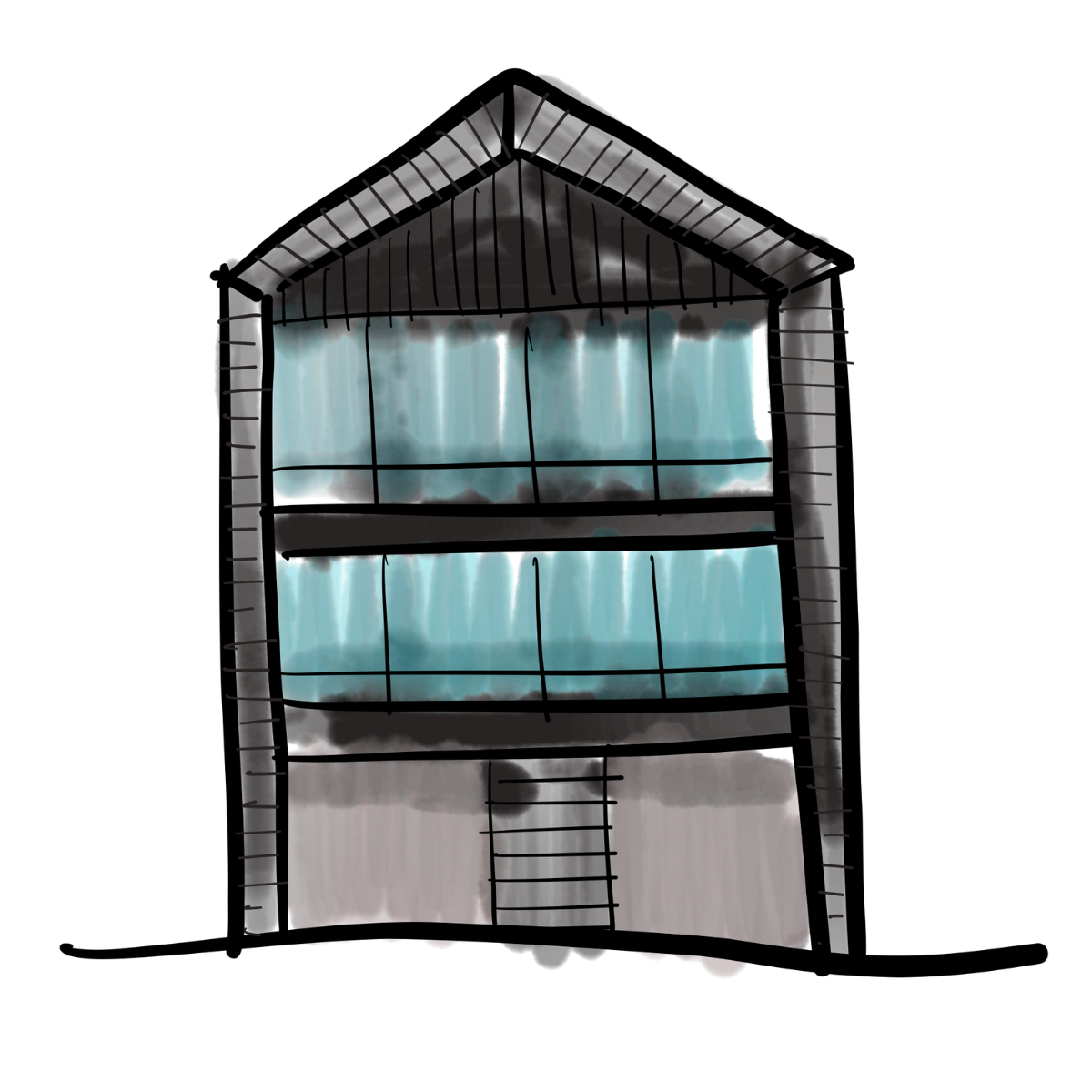
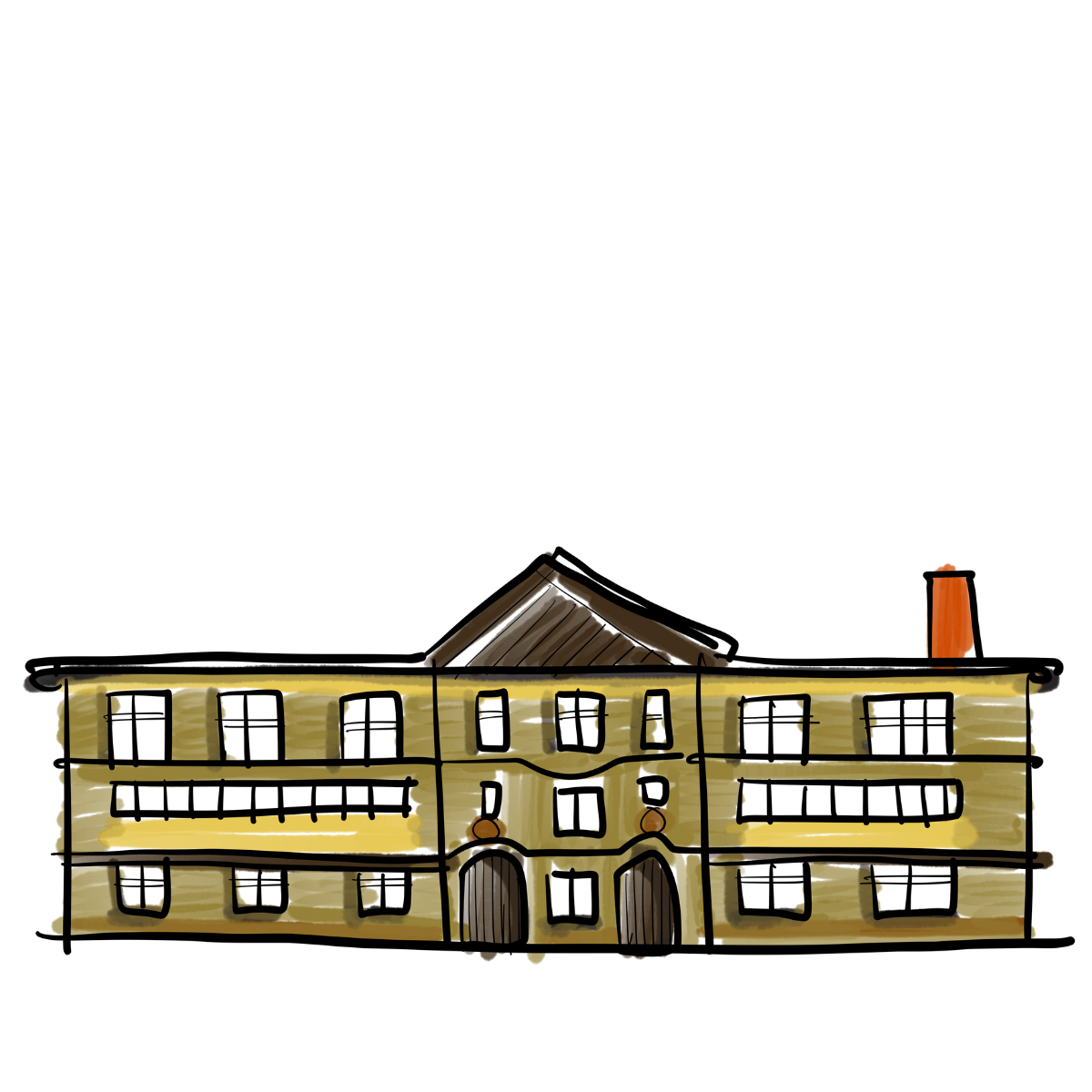




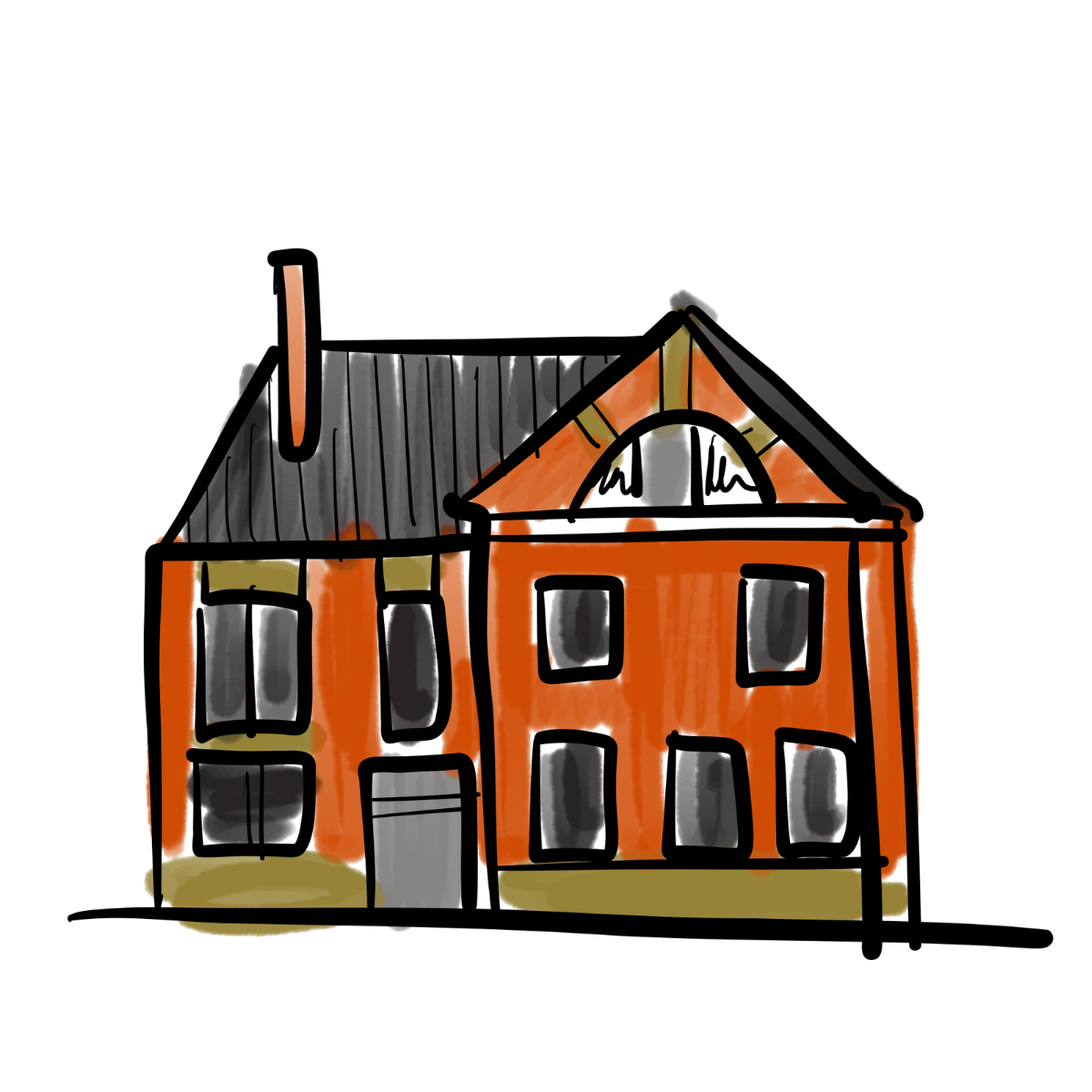

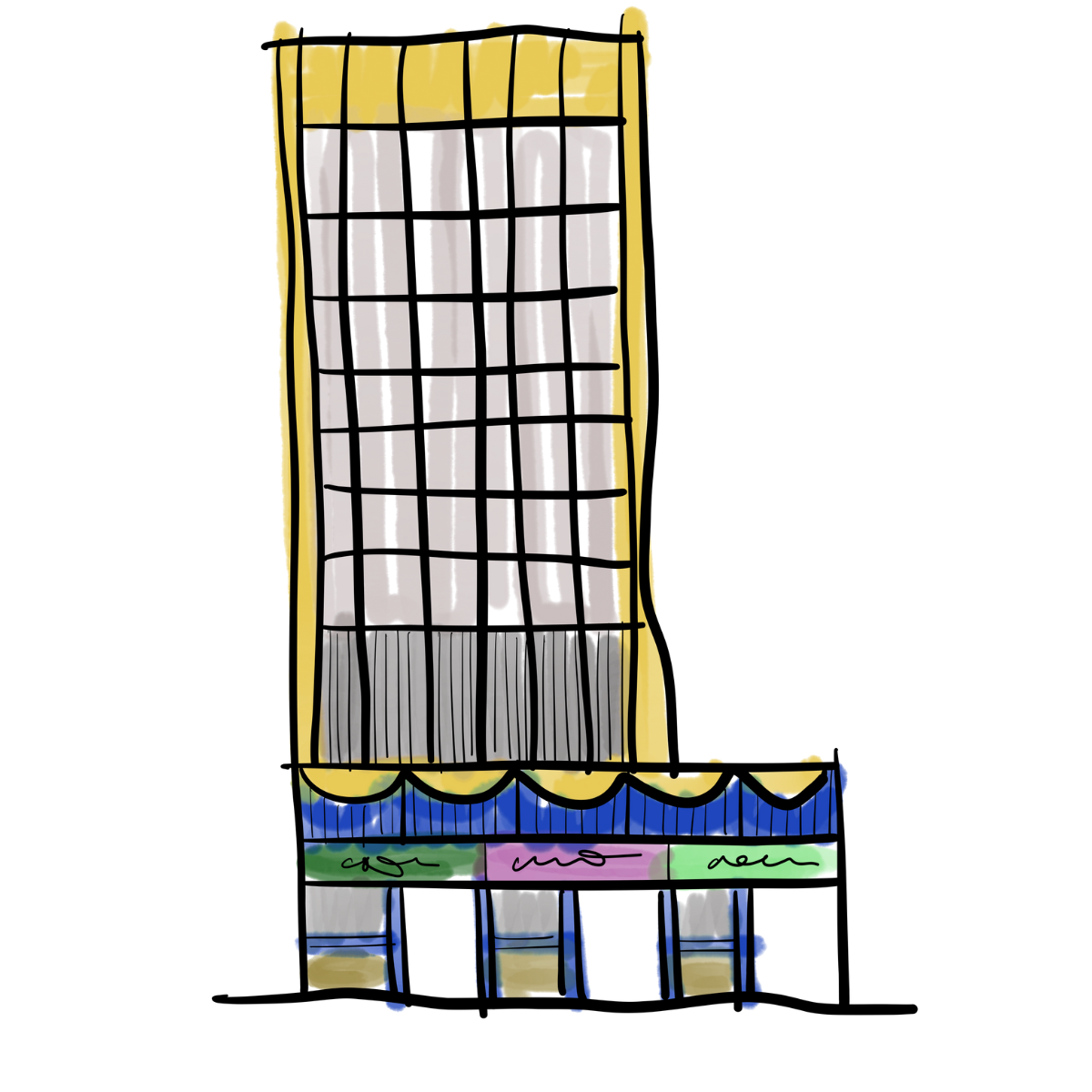




Places and assets are anonymised due to live negotiations. Sketches by Naomi © Platform Places
How they’re…
Seeding and strengthening partnerships
Each local leader is bringing together local partners like councils, asset owners, funders and community groups. To date, a large focus has been on identifying partners, deepening trust and convening a joyful ‘dinner table’ of people who will work together to unlock spaces for community use and ownership.
“Trust and relationships are just as important as securing the building. Without it, community-led initiatives won’t last.”
Many have set up multi-stakeholder groups who will hold decision-making responsibilities. For example:
Bedminster Works (the new CIC for the Bedminster Property Partnership), made up of community leaders, asset owners and Bristol City Council;
The ‘Stottie Power’ steering group, bringing together local residents, social enterprises, a Byker councillor, an economic geographer, and members of Newcastle City Council and North East Combined Authority;
The ‘Collective’ in Darnall Ward (convened by Brightbox) of local people and business owners with a long-term focus on land rights, who will together decide the next steps of the partnership.
The Steering Group of the Wandsworth Town Property Partnership, with representatives from Wandsworth Council, Meanwhile Space, community organisers, socially-trading organisations, asset owners and local residents.
While convening these, the local leaders are building wider partnerships with residents and community organisations, and collaborating with groups from artists to agents to academics.

100+
partnerships developing

A mission lab (creative workshop and vision-setting) in Wandsworth Town

Some of the Steering Group of Wandsworth Town Property Partnership at Wandsworth Town Hall

Gail and Andy from Big River Bakery with peer mentor Martin (Tyne & Wear Building Preservation Trust) and members of the Platform Places team

Shiza, local resident and project support, at a creative workshop for Wandsworth Town Property Partnership
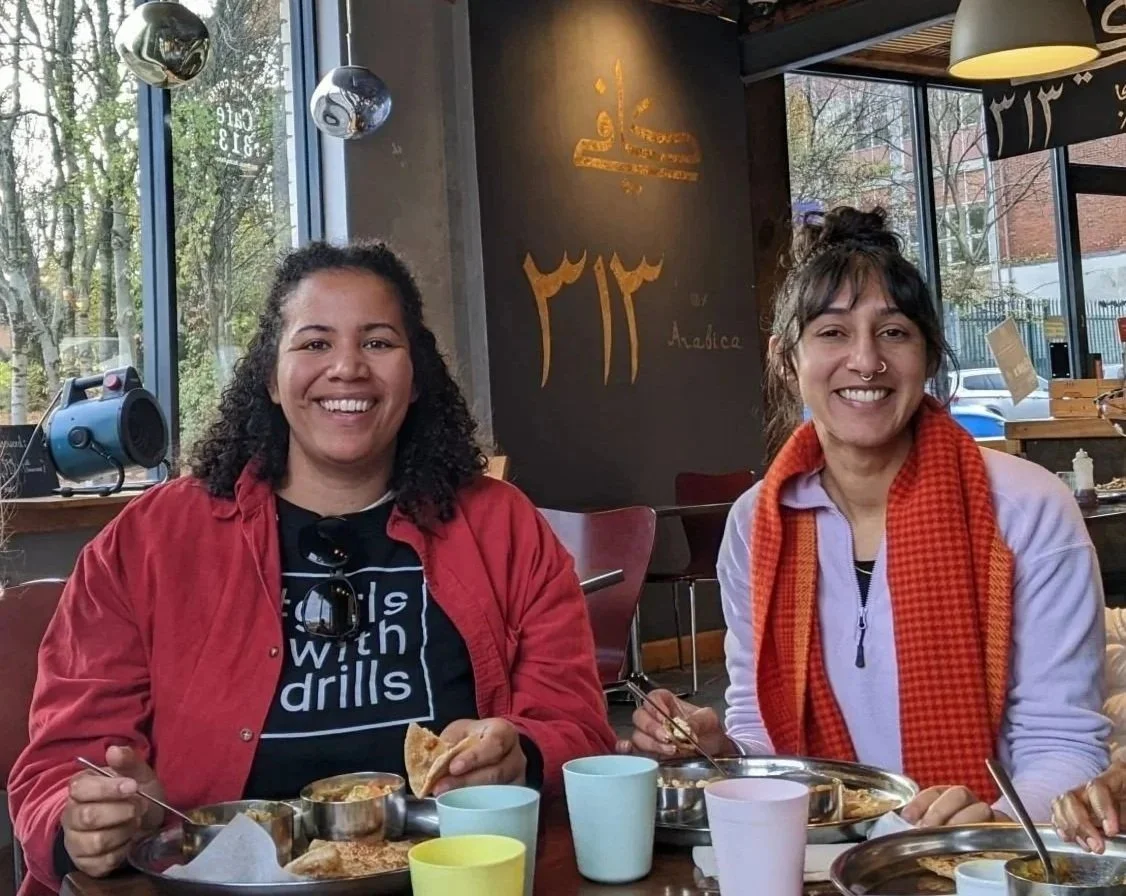
Kisha and Arnika from Brightbox during a programme kick-off session, over Desi lunch at local Cafe 313
“We’ve come together as a Collective with a deep focus on care and cultural equity, decentralising power and financial flow.
We share a commitment to an alternative approach to regeneration, beyond mainstream market logic, starting with the redistribution of resources, shifting ownership patterns, and for communities to decide what they need rather than top-down ‘improvement of place’.
— Kisha Bradley, Brightbox (lead local partner, Darnall Ward)
Examples of supportive stakeholders:
-
Mission-aligned housing associations can be eager to partner in finding ways to reanimate spaces for the benefit of local residents.
For example, in Byker a large housing association (focused on affordability, sustainability and safety) is collaborating with Big River Bakery on local consultation workshops, and exploring how currently underused spaces within housing developments could best serve local needs.
In another case, a local partner is collaborating with a housing association on employability skills training for residents, with a view to partnering on buildings and spaces. -
There’s a pattern emerging: more trust, support and relationship-building than expected.
One partnership said they’re experiencing private asset owners as “nimble and responsive” and “open to new ways of working” with groups like theirs.
In Darnall Ward, Kisha from Brightbox said, “They’re coming back to us faster than expected, with little bureaucracy. We’re seeing interest in the benefits of partnering with community-led organisations to activate their buildings.” -
In three of the neighbourhoods, the local authority is a core member of the Local Property Partnership, with one or more Officers sitting on the Steering Group or acting as a Director. In other neighbourhoods, councils are beginning to explore concrete ways of partnering – from funding to flexible rent to community asset transfer.
A local partner, in early-stage dialogue with their council, said of their experience:
“We’re now starting to be seen as an ‘asset-ready organisation’ by the local authority’s Assets team. Without this funding, we couldn’t have sustained the outreach and relationship-building it took to get here.”
Spotlight on Knowsley — health, care and wellbeing
In Knowsley, Kindred LCR convened a significant cross-sector workshop (with partner Capacity) and are working to open up a town centre space to support the women-led, creative transformation of local care systems.

Credit: Kindred LCR
“Thanks to the programme and fund, we’re on a roll as a partnership.
We’re quickly realising that to respond to local needs, we’ll need to both steward buildings ourselves, and enable other community organisations to do so. In other words, we’ll act partly as hub curators and operators, and partly as community asset facilitators, depending on what’s right for each opportunity”
— Lucy Warin, Bedminster Works & Bristol City Council
“Relationship-building requires space. Somewhere to gather, plan and imagine.
In our bakery, or local community cafe, everyday practice (cooking, socially-trading, hosting, training) demonstrates what’s possible, so we can come together to spark ideas and catalyse what’s next”
— Gail Lawler, Big River Bakery (lead local partner for “Stottie Power” in Byker & surrounding areas)
How they’re…
Co-designing with the local community
“Property acquisition is a response to the needs of our social economy, not the starting point.”

When Street and a Half opened, one of the first thing visitors saw was a purple noticeboard, asking ‘What are your hopes?’ with tags for the community to share their dreams for St Helens’ newest social space.
© Kindred LCR
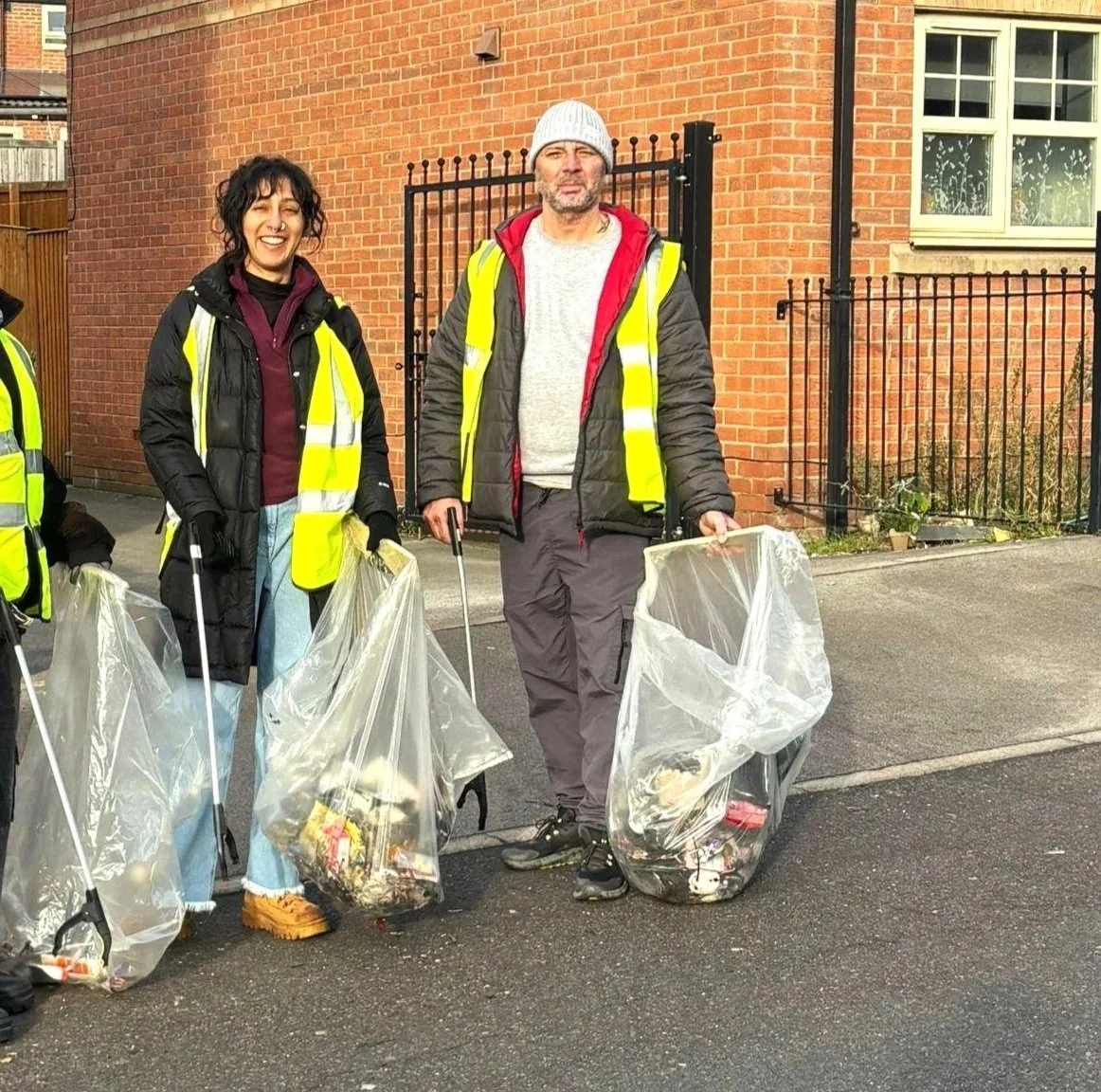
To build relationships and understanding with the local community and partners, Brightbox has facilitated:
A litter-picking event with local housing estate residents
A woodwork workshop with a local primary school
A hedgehog home-building workshop with Tinsley Ladies Group
Mindful Mosaic Making with Darnall Wellbeing
© Brightbox

As part of a council-coordinated high street engagement event in the underused main square, Big River Bakery invited the community to vote on their hopes for the area through a game of ‘stottie hoying’. Residents won stotties (or coconuts) by aiming them at labelled targets, with one resident (in their 70s) saying, “I haven’t won anything for decades!”
© Big River Bakery

ARC LRE Ltd has given the go-ahead for Wandsworth Town Property Partnership to commission and codesign a pop-up community mural on the site of their agreed social value lease — to celebrate local identity and contribute to the London Borough of Culture programme.
Pictured: a previous mural created by Shiza Naveed and Julian Hill on the Hop Pole in Wandsworth ©
"The funds have enabled some low-cost, high-value exploration of grassroots initiatives in our community. It’s been enormously helpful to the groups involved, and in one case shifted the dynamic between developer and community."
– Steve Sayers, CEO of Windmill Hill City Farm (Bedminster)
© Windmill Hill City Farm
Part B
Blockers and barriers
What are some of the roadblocks in the journeys of Local Property Partnerships?
From conversations and collaborations between the local partners and the wider ecosystem of community innovators, it’s clear that these issues are widespread. They highlight structural barriers as well as opportunities for mutual support among community leaders, and where current power-holders can spark change.

All illustrations by Visual Thinkery
Barrier 1
Zero-sum competition for capital funds
Without capital to acquire buildings, community organisations may have to take on debt, reduce non-income-generating (but high-impact) activity, or enter into unfavourable partnerships.
It’s complicated to identify and access the limited capital funds available, and community organisations are pitted against each other. Today’s funding landscape incentivises local competition over long-term local collaboration, because the pot is only big enough for a handful of them, when hundreds more need funding. This entrenches a scarcity mindset that all of the Local Property Partnerships want to eradicate.
“It’s one thing to see funds start aligning with our mission and aims, but it’s another to navigate the complex process”
Barrier 2
Potential partners have internal silos
When community leaders build trust and relationships with councils and large asset-owning organisations, the will to support is often clear.
Yet, internal silos between property and CSR/philanthropy teams, or between departments within councils, can delay or block progress on efforts to support, such as community asset transfers.
Examples are cropping up of local authorities being ideologically supportive, but struggling to activate internal teams to provide tangible financial or practical commitments.
Meanwhile, one Local Property Partnership was in dialogue with a private asset owner to transform an iconic high street building into a mixed-use community hub. Both the philanthropic arm and property team expressed support for the idea and approach. However, while the Partnership was fundraising to meet the asking price, they were suddenly informed a separate commercial offer had been accepted.

Barrier 3
Outpaced, not just outpriced
Even when the right amount and type of funding is available, current funder mechanisms often move too slowly for community organisations to compete on the commercial market.
This severely limits what’s possible — often restricting community asset developers to hard-to-access local authority stock or the few properties held by impact-driven owners who are willing to wait. See the Mycelial Network’s work on this challenge.
“Our area is experiencing significant gentrification pressures – rising costs and real urgency around securing buildings before they are lost to mainstream development. We need to be able to act more quickly.”
“We’re losing the best buildings to commercial developers who can move faster. Those large flexible spaces have so much potential to be brought to life by the local community, for the local community.”
Barrier 4
Governance decisions
Many local partners have been developing governance structures and organisational designs to guide their next steps and steward assets effectively.
Yet, there’s no one-size fits all, and no single option ticks every box. There are trade-offs; for instance between speed of establishment, charitable status, business rates relief and risk.
For community organisations, the governance process will generally be complex, time-consuming and expensive – requiring expert advice, and a reliance on pro bono input or dedicated funding.
One of the Local Property Partnerships highlighted how vital speed is. As a cross-sector coalition, including community organisations and the council, they’re working at pace to design their internal processes, governance structures and approach, so they can be ready to act quickly on property acquisition:
“We’re creating a CIC, which does not provide business rates relief, but alternative structures are too slow to establish.”
Barrier 5
Opaque public funds
Councils manage several funds earmarked for social value or community infrastructure, which are paid for by property developers. For example: Section 106, Neighbourhood Community Infrastructure Levy (CIL), and legislated social value spend from large government contractors.
These pots are often hard for local community groups to identify and access, and local authorities’ capacity to distribute and safeguard them is extremely stretched.
Across England and Wales, there’s an estimated total of £8 billion in unspent infrastructure funds, according to latest figures — with each council holding an average of £19 million each in Section 106 funds alone.
Part C
Tactics today
How are the Local Property Partnerships overcoming those challenges? Here are some approaches you can try in your neighbourhood...
-
Strategies taken to identify buildings and owners include:
Tools like LandInsight, planning portals, UForm, various agency and council sites, and the Land Registry;
Walk and talk – simply asking, speaking to residents, neighbouring businesses and estate agents for ‘intel’.
In one neighbourhood, they’re using Airtable to track local data, power maps and space ownership:
“It’s not just about making a list, or visualising disconnected properties, but starting to see a landscape of human stories that are networked and connected in mutual support, towards shifting power and dynamics.”
-
Seek people and networks who have done this before.
For our programme partners, the space to come together with one another (through regular learning calls and residentials) to share support and resources is just as important as what happens on the ground.
Each Local Property Partnership is being matched with a peer mentor from the wider Platform Places network who has done this work before; such as CIVIC SQUARE, Makespace Oxford and Tyne & Wear Building Preservation Trust — as well as support from other participants of the Mycelial Network that Platform Places is co-facilitating.They’re also engaged with peers on programmes such as Footwork People and Place, the Architectural Heritage Fund, and Stir to Action’s ABCs.
-
Seek out built environment professionals and housing associations in your neighbourhood and networks.
-
Getting the governance of your partnership right — for your context, group and aims — is key.
It’s one of the areas that often benefits from dedicated expert advice at the start.
Some funders provide support or fund early-stage governance consultancy as a component of their programmes (e.g. Architectural Heritage Fund Project Viability Funding, or National Lottery Community Fund — Awards for All).
Start thinking about:where you are trying to get to;
what’s most important to you along the way.
Is it speed and ease of setup? Or corporate tax exemption? Or business rates relief (this can make a big difference if you’re taking on an empty building that isn’t immediately usable)?
Some structures are better understood by funders; others are excluded in their criteria (this varies). Certain structures will more directly align with your group’s values and ethos.
If you’re not yet clear on what the organisation will become, flexibility could be your top priority.
Ask yourself:Which elements matter most now?
Which elements might matter more as you grow?
Some common structures include:
Charities (CIO)
Community Interest Company (CIC)
Community Benefit Society (CBS)
Co-operative Society
Company Limited by Guarantee (CLG)
Recommended reading:
-
Councils have the power to make planning permission conditional on the developer making a contribution to local community infrastructure. That’s called a Section 106 agreement.
For example, this can happen if the new development is expected to put a strain on resources (like more traffic) or intensify problems (like lack of affordable housing). The Section 106 grant scheme is open to all not-for-profit community organisations.
How to access?Check with the local planning authority to see if funds/spaces are available or if there are any developments in the pipeline.
Build a strong relationship with the council over time, and show how you’re aligned with their priorities, highlighting local buy-in for your idea and how it addresses community needs.
Approach developers to propose a use of space that’s Section 106-aligned, in anticipation of planning objections.
Wandsworth Town Local Property Partnership’s social value lease agreement is being proposed for a Section 106, while Bedminster Works is working to secure first right of refusal on a Section 106 commitment for a redevelopment on East Street.
-
It can help to chat to local business owners and tradespeople – they may hold direct relationships with landlords or they may have heard useful rumours about them and their plans for the building. Asking on local forums can yield local intelligence too. A personal introduction goes a long way.
Get clear on what you need from a space and what you can offer. How will your idea generate vibrancy and footfall? Write it down in a simple two-page proposal attached to a short email — a teaser to get the landlord to a conversation.
Sometimes it’s quick responses, sometimes it’s a year or more of building relationships with a developer, with the actual final contract drafted up in just 20 minutes. It’s hard to predict in each case, and that’s why being resourced to play the long game and stay in the room is so important, which the Local Property Partnerships pilot programme affords.One of the local partners shares this advice:
“Negotiation is all about timing. If they’re not prioritising social value, don’t give up: sometimes it’s tactical to wait until they’ve submitted a planning application and got challenges back, so you can sweep in with a solution. Unsurprisingly they can be more amenable at that point.”
-
Councils are breaking down the barriers for community access to space in various ways:
Involving community organisations from the outset in regeneration plans, and offering flexible-rent ‘meanwhile’ leases before works begin, while involving the occupiers in Asset Transfer plans;
Commissioning a Local Property Partnership (for example, Wandsworth Council seed-funded Wandsworth Town Property Partnership’s pilot phase prior to this programme). You can use this example template to send to your councillor(s);
Helping map properties and assets available for transfer;
Making introductions to estate agents and private landlords.
One local partner is in advanced negotiations for funding from the council to acquire an asset, and advises: “Be persistent and keep digging, even if one representative thinks there’s no money available.”
Want to receive our upcoming practical guide to council-community partnerships?

More notes from the field:
-
…as one step in collectively moving away from scarcity mindsets and avoiding competition over assets. While it won’t fix everything, coming together like this creates space for more open and collaborative community relationships.”
— Kisha, Brightbox
-
They are dreamers, problem-solvers, D.I.Y. doers, counsellors, and archivists — ready to support the things that support them and the organisations rooted in their collective living.
This work can be complicated, especially when it involves institutions or owners who are part of systems that have caused harm.
It's worth reflecting on how these complex relationships will come to align with the community’s hopes, histories, and ethics.
For instance, ask yourself: How will I make this building self-sustaining, without placing the financial burden on the community?”
— Brightbox team
-
You need that time mapping the ownership mix and understanding their motivations for sitting on buildings or selling them, whether public or private.
In our case, our focus is on the council-owned properties because we’ve built strong trust and because they hold multiple neighbouring properties.
We’re prioritising geographical proximity of buildings, clusters of socially-trading organisations, because we know that builds vibrancy, mutual support and footfall.Like industry clusters, social enterprise clusters are demonstrating accelerated growth and innovation. And they’re doing this in the places and spaces, and for the people and customers, where the market is failing and has done for some 30 years.”
— Erika and Christine, Kindred LCR
-
Landing the right asset for community activation is something that takes time.”
— Shiza, Wandsworth Town Property Partnership
Part D
Transformation needed
As well as steps community leaders can take in the ‘here and now’, our property and funding systems need systemic change to remove these barriers for all.
Here’s what key stakeholders and power-holders can do:
“These aren’t quick wins; it takes time to build trust, credibility and relationships, before anything’s negotiated, signed or sealed. This is critical groundwork that must be community-driven and locally-rooted, but it’s nearly always under-resourced – so funding like this changes the game.”

1. Funders and investors
Philanthropists, investors and funders (whether institutional, family offices, private or public) can support in multiple ways, mobilising funds for:
Quick-to-access capital funds to allow community asset developers to move as fast as the commercial market. This means:
Ambitious grants to acquire, retrofit and refurbish at least their first asset (subsequent assets can then be funded with blended finance, including low-interest loans enabled by balance sheet security).
Patient money, e.g. loan finance that’s longer term, flexible, unrestricted, with larger pay back periods and low interest, so the entire loan timeframe doesn’t have to be spent fundraising to pay it back, at the expense of impact-generating work.
Long-term revenue funding as standard, so local people can get organised, for example for core salaries to do partnership development, creative ideas testing, business planning and feasibility studies.
Pooling wealth and power to co-govern fund distribution with those doing this work (see the Mycelial Network’s missions).

2. Councils and local authorities
Many councils are recognising the impact of — and are working to enable — community-powered spaces.
For example, by:
Backing the Local Property Partnerships approach as core to regeneration.
Sharing or transferring assets into community stewardship.
Recognising community businesses and innovators as long-term partners, not short-term grantees.
Embedding community assets into funding bids, like Wirral Borough Council have done.
Brokering relationships with agents and landlords.
This needs to be widespread and normalised – with national policies that support communities to unlock doors and own assets, adopting the We’re Right Here campaign’s asks on community power.
Hear from Deputy Leader of Wandsworth Council, Kemi Akinola (click to expand video):
3. Private asset owners and developers
In small pockets, the culture is slowly beginning to shift towards sharing assets for collective benefit.
What if more asset owners followed in the footsteps of the likes of Legal & General, who offered rent and rates-free shops for ten local businesses in Poole? Or the developer gifting the Migration Museum a 60-year home, rent-free, after years of precarity and risk in the London property market?
For example:
Commit to lease or sell a percentage of assets at below-market rates where social value is clear, to benefit from tax reliefs and ESG case studies.
Partner with local community convenors who deeply understand their place, to co-design asset use and stewardship. This counts for reputation, council relationships and planning applications.
Review internal structures to better support asset-based philanthropy and partnerships alongside commercial needs.
“Working with Wandsworth Town Property Partnership and socially-trading partners like Regenerate has been fantastic and demonstrates a practical approach that enables the development to really deliver social value and regeneration of an underutilised site.”
— Ben Leek, ARC LRE Ltd, property developer

4. More partnership programmes of this kind
The Local Property Partnerships pilot isn’t a top-down programme. It’s co-designed and peer-led. The funding is patient, flexible and long-term (thanks to the National Lottery Community Fund). The five local partners have described it as “game-changing” — giving them “room to exhale”, think long-term, and act at the scale their neighbourhoods need.
Instead of spending all of their energy chasing short-term, restrictive grants, they’re building deep long-lasting partnerships to unlock buildings and grow community power.
Every community asset developer should have access to this kind of support — rooted in place, yet connected through a powerful, mutually-supportive national network.
“This work and funding has been transformational – we’re now able to think and act long-term. Through shifting power to overlooked Black and Brown communities, local people can shape what’s on our doorstep to benefit the neighbourhood where we live and work.”
Feeling inspired?
Do you have ideas or resources to support these, or other, community-led partnerships?
National support partners:
-

-

-

-

Programme funder:
The National Lottery Community Fund has supported Platform Places and partners with almost £2.5 million over three years — made possible by National Lottery players.