Mile End, Stour Trust
Pilot Partnerships for London’s High Streets: Demonstrator 2
Case study
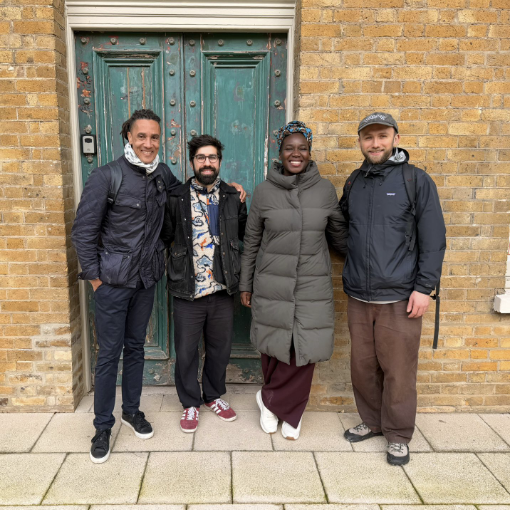
Image: Juliet with (Credit: Stour Trust)
“Vacant for a decade, secured for two centuries. Unlocking an Asset of Community Value in Mile End, through transformative funding and partnership”
Meet Juliet Can, who founded Stour Trust. With her team, Juliet acquires and activates community assets to increase economic equity. They've transformed spaces in gentrifying areas of London, including a cultural arts space in Hackney and are supporting over 30 organisations in Southwark and Lambeth, where community and arts organisations are being priced out and long-standing cultural and enterprise venues are at risk..
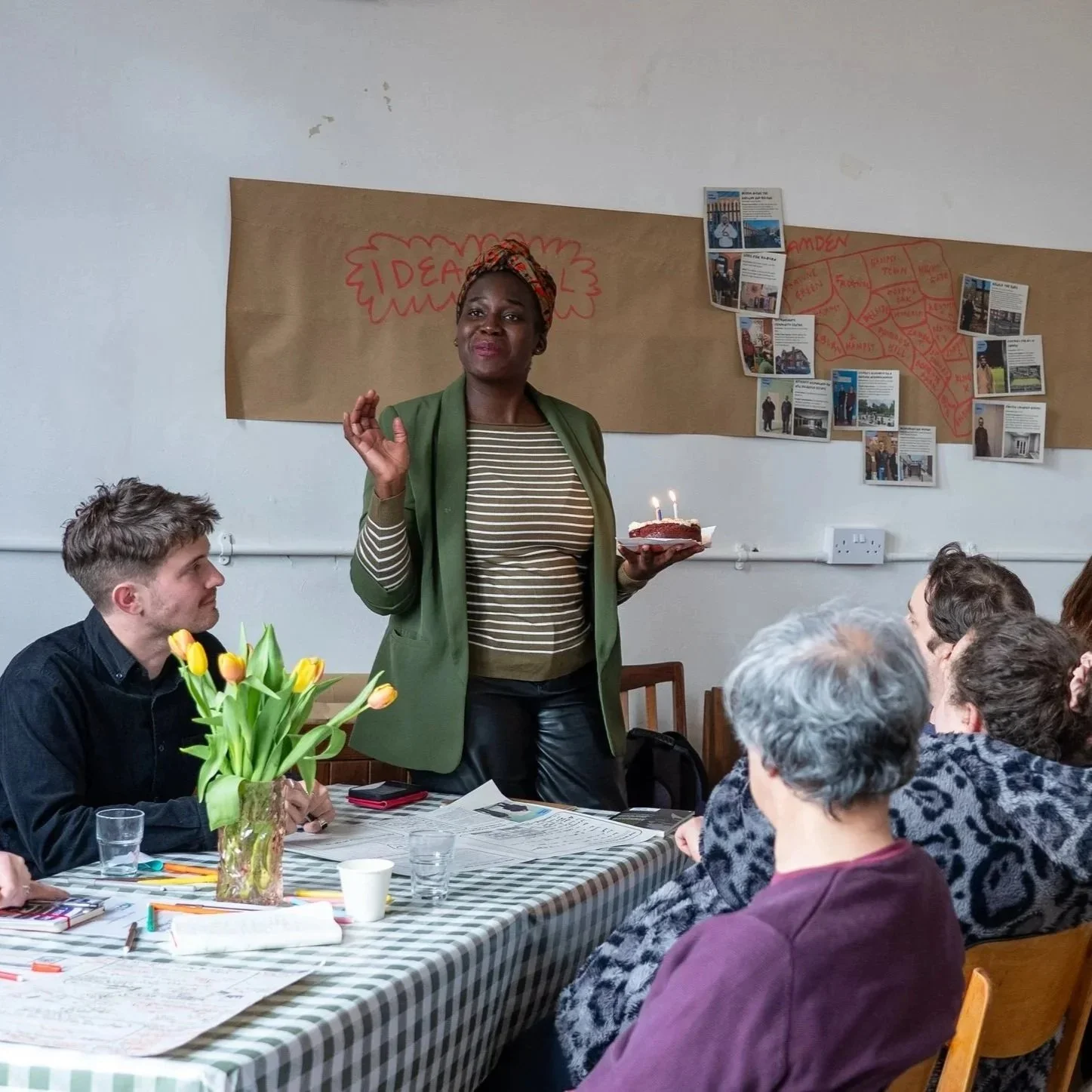
Image: Juliet (Credit: Footwork)
To date, they've secured multiple virtual freehold leases, including a peppercorn lease of 999 years.
Stour Trust works with an ecosystem of collaborators and experts including architectural cooperativeUnit 38.
“This model secures affordability for communities in perpetuity, ensuring life-affirming infrastructures continue to exist outside of the market economy.” - Juliet
The Vision
Through building powerful partnerships with local stakeholders, Stour Trust is working to secure local assets like John Denham as affordable workspace and community infrastructure that can be stewarded long term and build sustainable community wealth.
“We want to ensure that communities have access to local accessible and affordable infrastructure that meets their life-affirming needs and to catalyse more community stewardship of other local assets.”

Image: Inside John Denham building (Credit: Stour Trust)
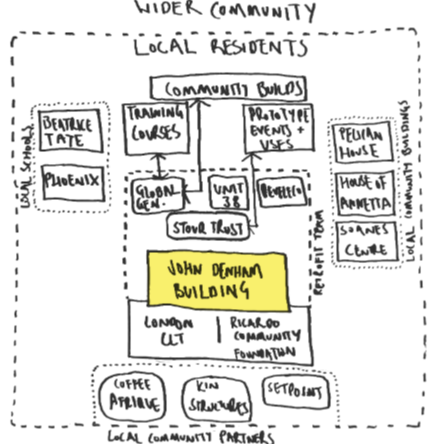
Image provided by Stour Trust
To get there, what does good partnership look like?
“Policy intervention and partnership development go hand in hand in situations like this, when a building is at high risk of being offloaded to the private market and the community loses it forever. We know the earmarked affordable workspace is being underutilised and can be transformed into a thriving hub that celebrates the culture, heritage and history of the area and supports the wellbeing, economic aspirations and gathering needs of local people.” – Juliet
Stour Trust, together with local residents and many community groups, successfully applied to nominate the building as an Asset of Community Value in 2025, meaning the local community would have their right to bid on the property if/when it’s put up for sale.
This ACV listing led to Tower Hamlets agreeing a moratorium on asset disposals – a process supported by the Mayor of London’s Culture at Risk team and Tower Hamlets Council’s Planning and Policy team. We used historical designs to evidence the initial intention and commitment for the asset: i.e. to become a long-term community infrastructure. We demonstrated how the building was used as a culture and community space before redevelopment began, and how significant consultations had taken place with local residents which highlighted the lack of local spaces to meet and the positive impact the building could make to people’s lives.
Now, Stour Trust is convening a partnership between Tower Hamlets Council, Unit 38, a range of community organisations (from the culture/heritage, wellbeing, and youth sectors), the developer, and Trust for London, an economic and social justice funder.
“Ownership is the crucial factor in accessing space, whether that’s for community organisations, tenants and residents, or small businesses. Through democratic ownership, a level of autonomy can develop that is not possible in conventional models of development – we’ve learned this first-hand at Pelican House. We help groups develop governance, access legal support, negotiate rents and secure leases” – Jamie Hignett, Unit 38 (a local Tower Hamlets based architectural firm who Stour Trust have worked with to develop the feasibility and community design aspirations for the John Denham Building).
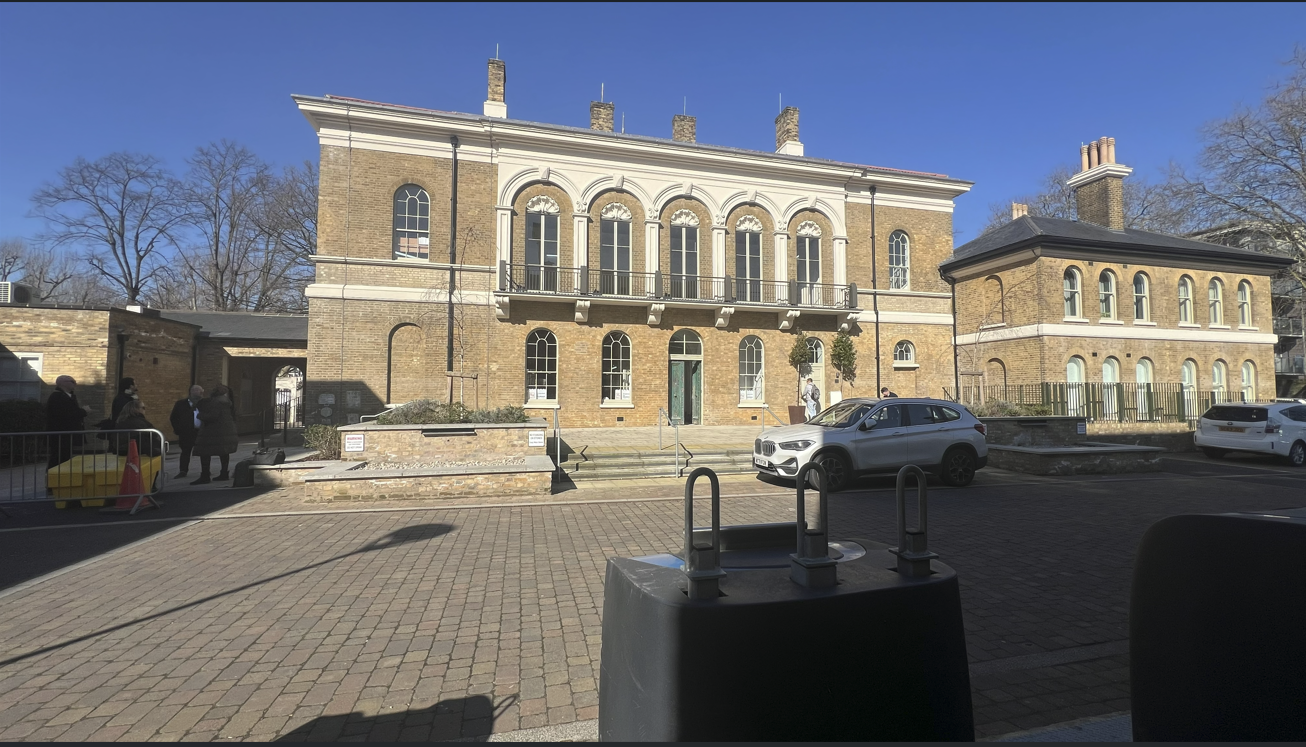
Image: John Denham building (Credit: Stour Trust)
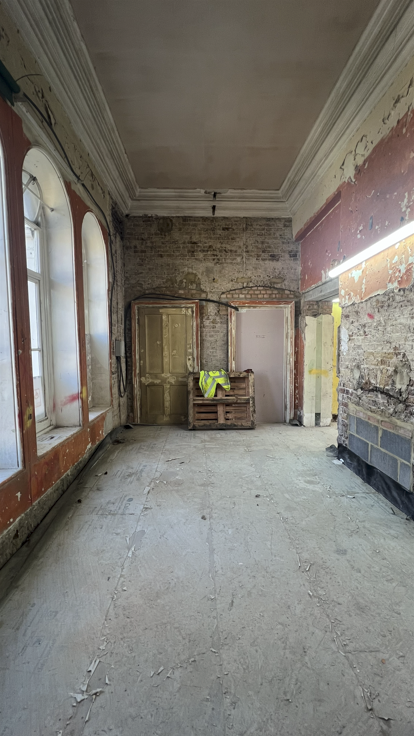
Image: Inside John Denham building (Credit: Stour Trust)
So far, that’s enabled…
The ACV listing has provided Stour Trust and the community crucial time to develop partnerships, business plans and fundraise, including:
What we’re learning so far
Key enablers
Mayor of London support - including the Culture at Risk Team.
Funding - bridging the feasibility gap.
Policy & Planning - specifically ACV and the Localism Act, which stalled the sale of the building to the market and gave the community time to provide an alternative community-centred offer to the developer.
Strong ecosystem of residents, community organisations, built environment professionals like Unit 38, funders, local authority all collaborating on an aligned mission.
A letter of support from Platform Places (a national cross-sector collaboration) which helped the developer understand the context of Stour Trust’s work, their wider support network, including the Mycelial Network, and why doing ‘locally-led transformation’ was important nationally.
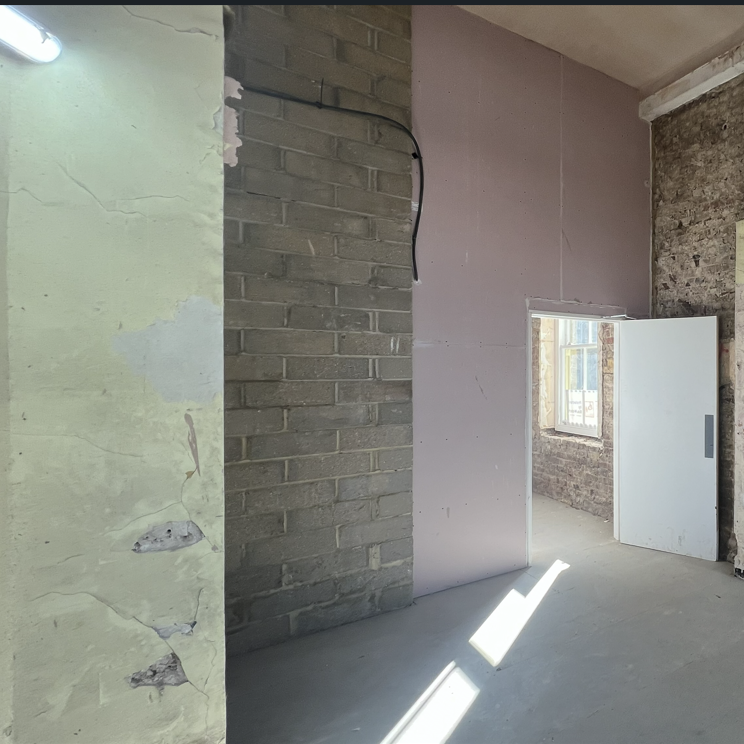
Image: Inside John Denham building (Credit: Stour Trust)
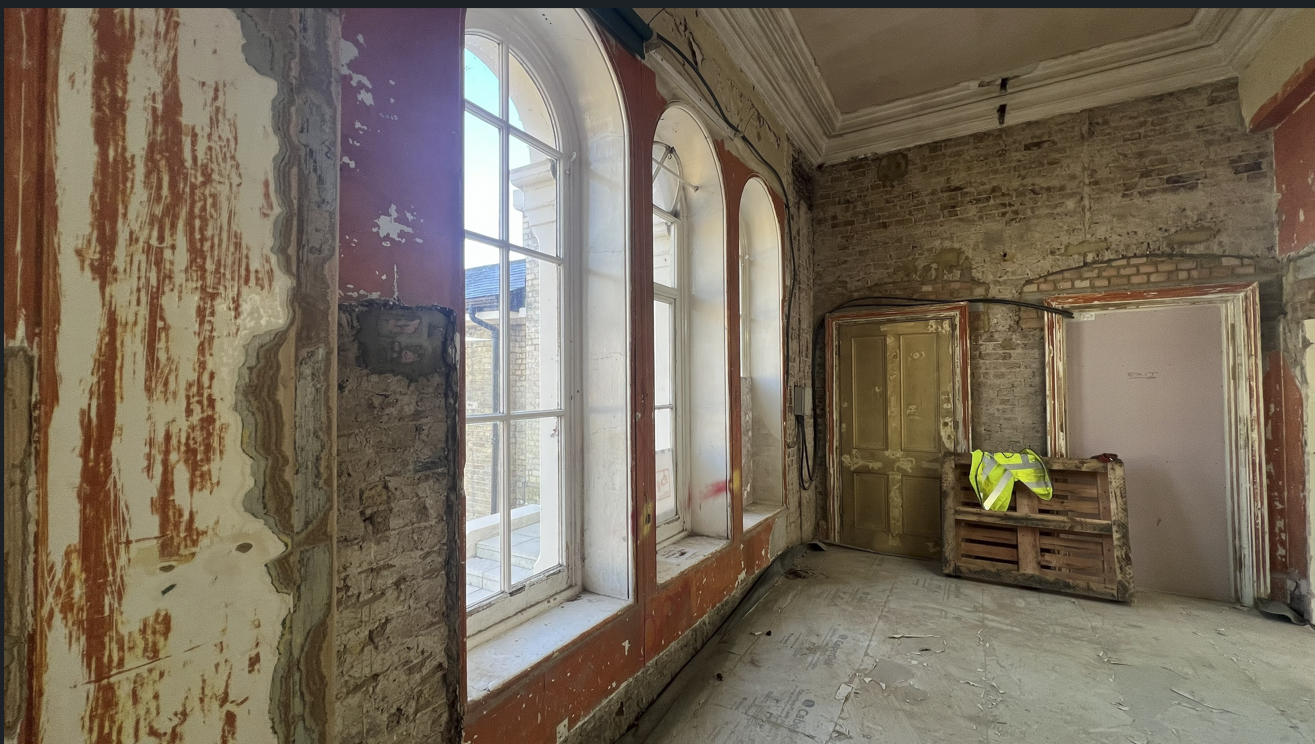
Image: Inside John Denham building (Credit: Stour Trust)
Key blockers
A poorly drafted Section 106 agreement - which did not mention lease terms and length or a named preferred operator type, leading to many interpretations by the existing developer of what was intended. Resolving this was time-consuming, requiring working through paper trails, historical designs and an archive of meetings notes and agreements.
Uncapped service charges - which is unviable for community-centred infrastructure. Sometimes service charges can be greater than the rent payable. Capped service charges that increase with inflation rather than the property management's estimations are crucial. This should be negotiated during the planning stage within the Section 106.
Financial pressures of local authorities limiting their capacity to support.
Missing building information - with the site now with its third owner, important technical information for the architect (e.g. plans, surveys) have been lost or archived somewhere during the acquisition processes.
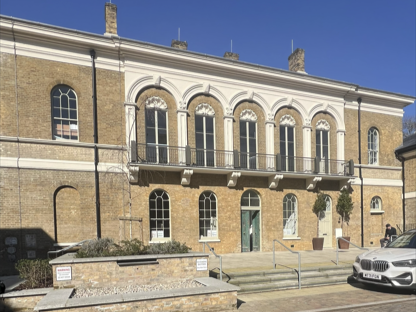
Image: John Denham building (Credit: Stour Trust)
We hope to …
Deliver a 12-month plan to activate John Denham and reach RIBA Stage 4.
Fundraise for capital: £1.5m from heritage grant funders and negotiate 248-year peppercorn lease with the developer to secure site.
Support capacity-building of other local organisations to secure other assets at risk of disposal.
Design long-term retrofit strategy to bring energy performance certificate (EPC) up to an A for a Grade II listed building.
Upskill the local community in retrofit, especially involving young people with the plan, and with stages of the retrofit where they can build their hands-on skills onsite.
Use this building as catalyst to activate more vacant assets in Mile End.
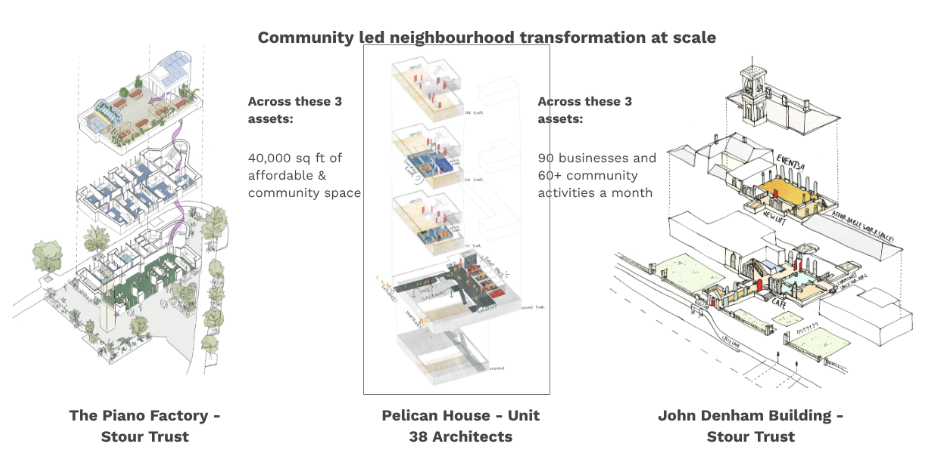
Image: Description (Credit: )
There are more than 14 vacant buildings like these across the borough. That’s…
3,700 sqm of space
90 businesses
60 community activities a month
0000’s of community members access vital infrastructure
… imagine the potential!
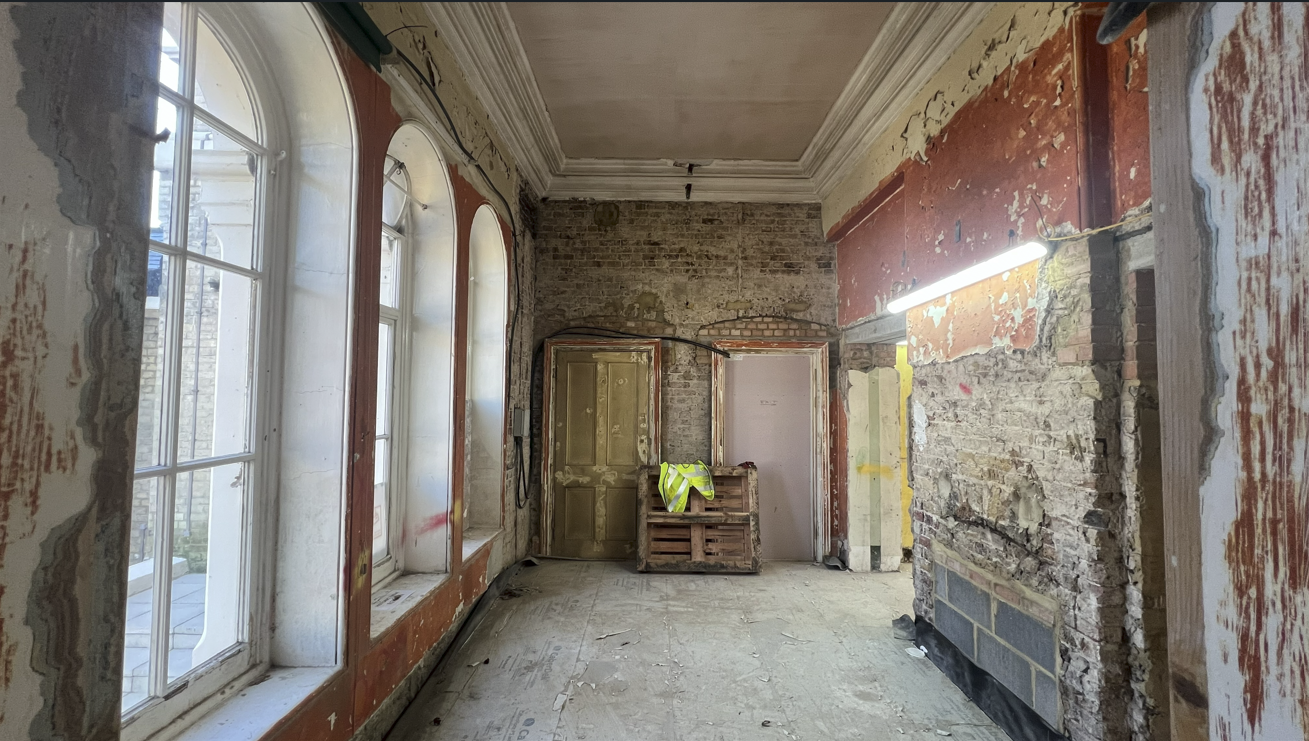
Image: Inside John Denham building (Credit: Stour Trust)
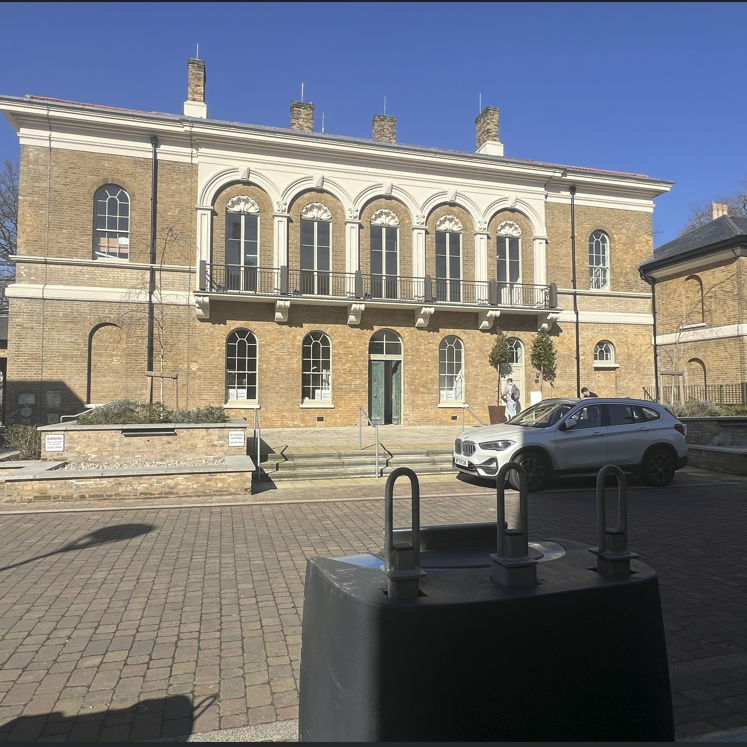
Image: John Denham building (Credit: Stour Trust)
Want to know more about the Pilot Partnerships for London’s High Streets three live high street demonstrator projects?
Stour Trust is participating in a pilot project, as part of the Mayor of London's work to support more mission-driven use of property across the city's high streets. Together with Footwork, Platform Places and Wandsworth Town Property Partnership, we’re developing and investing in three live high street demonstrator projects unlocking vacant property for affordable workspace and community and cultural uses. We’re building momentum, leadership and learning towards replicating more partnership models across London’s town centres.


Additional part-funding from the Mayor of London and UK government through the UK Shared Prosperity Fund
About: Pilot Partnerships for London’s High Streets
Stour Trust is participating in a pilot project, as part of the Mayor of London's work to support more mission-driven use of property across the city's high streets.
Together with Footwork, Platform Places and Wandsworth Town Property Partnership, we’re developing and investing in three live high street demonstrator projects unlocking vacant property for affordable workspace and community and cultural uses. We’re building momentum, leadership and learning towards replicating more partnership models across London’s town centres.