
Community Power on the High Street: Building Relationships for Local Transformation
Highlights and how-tos from the first 18 months of the Local Property Partnerships pilot programme (2024-2027)
Thanks to funding from:

We’re now at the midway point of a three-year Local Property Partnerships pilot, and we’ve learned a lot about what it takes to build the relationships that make community-led property work possible. Community leaders in five neighbourhoods are building Local Property Partnerships to unlock multiple assets for local benefit - in Darnall Ward (Sheffield), Bedminster (Bristol), Knowsley & St Helens (Liverpool City Region), Byker & surrounding areas (Newcastle), and Wandsworth Town (London).
Here’s what we’ve learned so far, and what might help in your neighbourhood.
Read on to explore some of the:
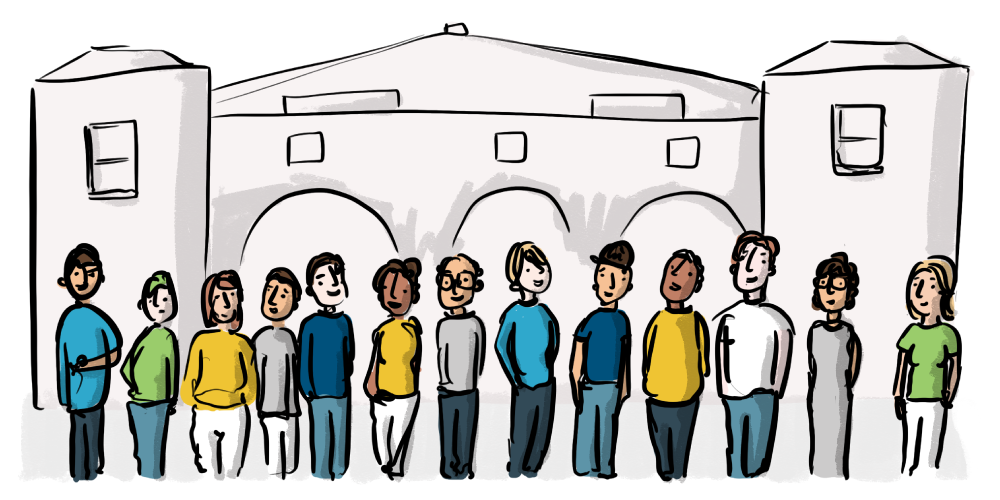

What happens when communities, councils, private landlords and housing associations start building real trust around the future of a high street?
Part A
Highlights so far
How they’re…
Seeding and strengthening relationships
Each local leader is bringing together partners from across sectors — councils, asset owners, funders, housing associations, and community groups. Over the first 18 months, a large focus has been on identifying the right people, deepening trust, and convening a 'dinner table' of unlikely allies who will work together over the long term.
Many partnerships have established multi-stakeholder groups with shared decision-making responsibilities. For example:
-
Bedminster
Known locally as ‘Bedminster Works’, this Community Interest Company (made up of community leaders, asset owners and Bristol City Council) has been mapping and matching spaces with community organisations across Bedminster, working towards long-term stewardship of the high street.
Image by Bedminster Works ©
-
Knowsley and St Helens
Kindred LCR brings together 1,500+ members across the Liverpool City Region, the Combined Authority, Make CIC, local authority leaders, and town centre managers - alongside a growing number of emerging social economy groups in Knowsley and St Helens.
Image by Kindred LCR © -
Wandsworth
Wandsworth Town Property Partnership recently reset their steering group from 16 to 10 members to ensure meaningful contribution, bringing together Wandsworth Council, the Business Improvement District, asset owners, impact investors, and a wider ecosystem of community organisations.
Image by Nahwand Jaff ©
-
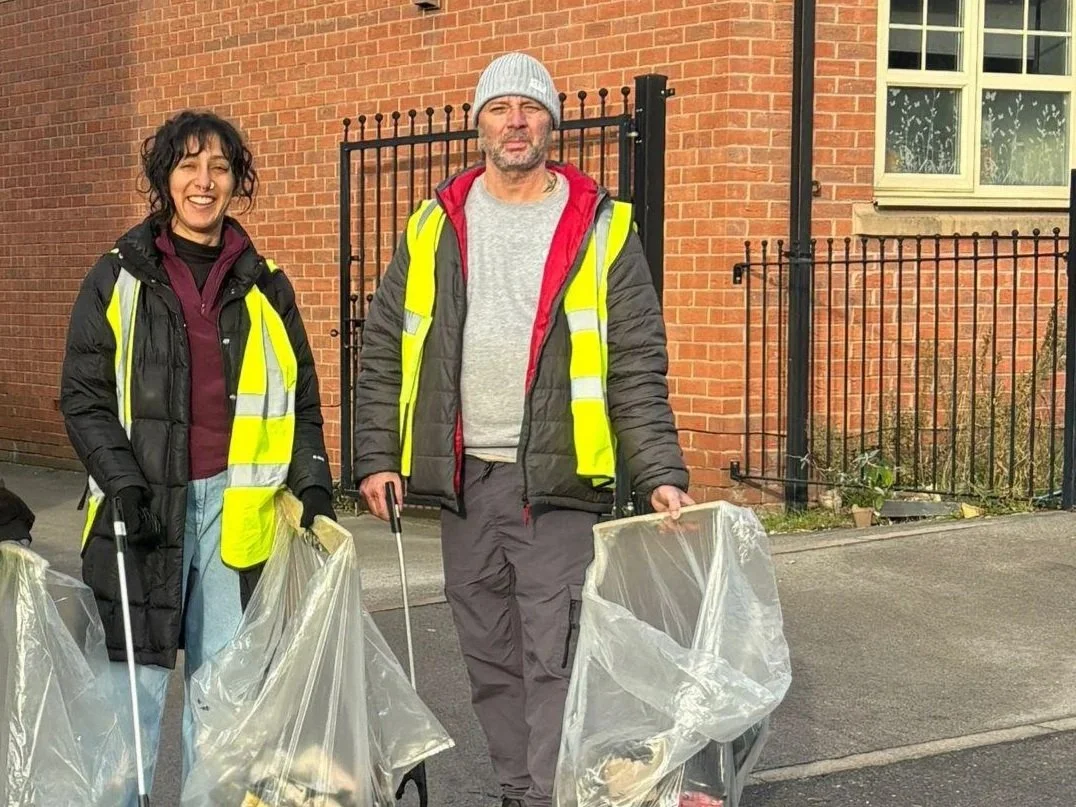
Darnall Ward
Brightbox convenes the Darnall Community Asset Collaborative in Darnall Ward. A growing number of anchor organisations, community & youth groups, activists and local residents with a shared focus on community decision making and land rights in Sheffield.
Image by Brightbox ©
-
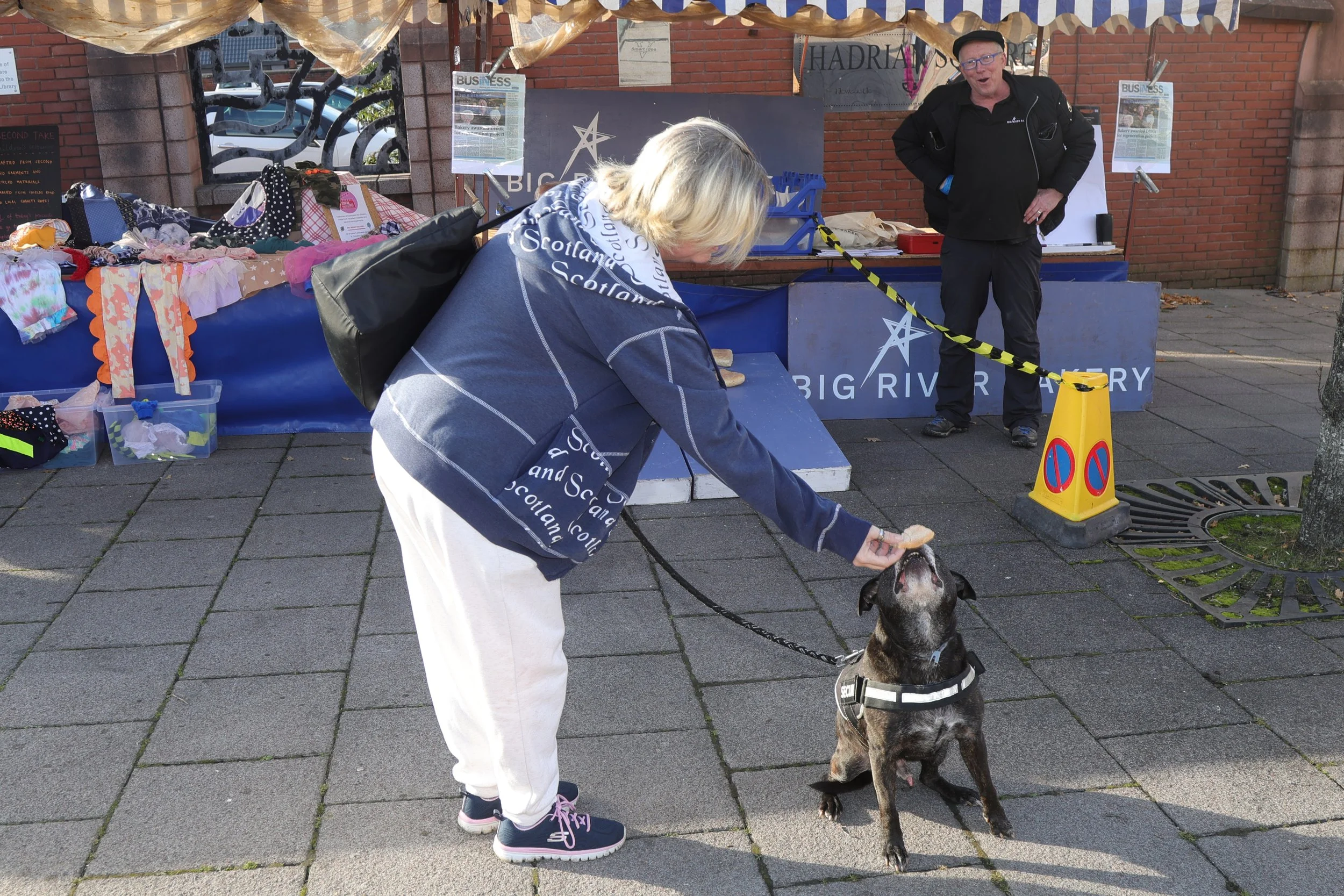
Byker
The 'Stottie Power' steering group, led by Big River Bakery, brings together local residents, political representatives, Northumbria University, Karbon Homes, NECA, and the High Street Transformation Board - uniting institutions and community around a shared vision for Byker's high street.
Image by Big River Bakery © -
Why relationships come first
None of this works without trust built before a building is ever on the table. Across all five places, that culture of collaboration, not competition, is what makes the model possible.
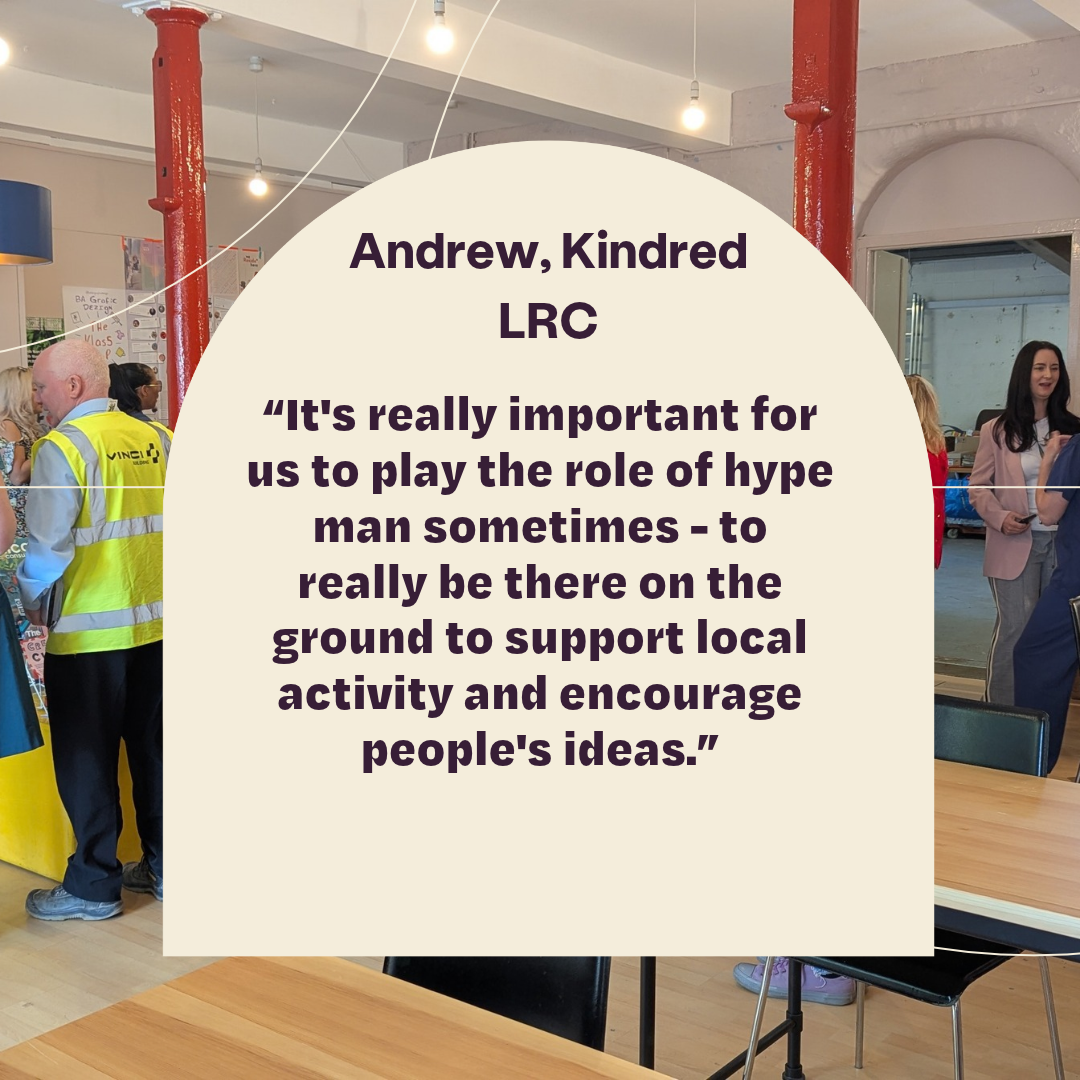
"We deal mainly with the wider social economy, and it's a really collaborative movement. Unlike a lot of the private sector, there's no coveting of ideas — people are really prepared to share space, share resources, partner on stuff, make new things together." - Andrew, Kindred LCR
That's the culture behind every partnership in this report, and it's what the next 18 months will build on.
“We’ve run workshops with neurodiverse young people, working alongside local organisations like Foundation Futures and the Lighthouse Project on proposals for multiple sites. It’s not just national conversations - a lot of this is about informal, embedded relationships at the local level too, with community organisations and local councilors, building those proposals together.”
How they’re…
Building the relationships that unlock buildings
Relationships are not background activity - they are the mechanism. Over the last 18 months, community leaders across five places have been building the cross-sector relationships that make property work possible.
“Brightbox convenes a local Collective in Darnall Ward - a growing group of local people, schools, youth groups, arts organisations and feminist networks. We insisted upon a partnership model - and that’s allowed us to not only develop relationships personally, but actually think about, okay, what would a building acquisition look like between us?”
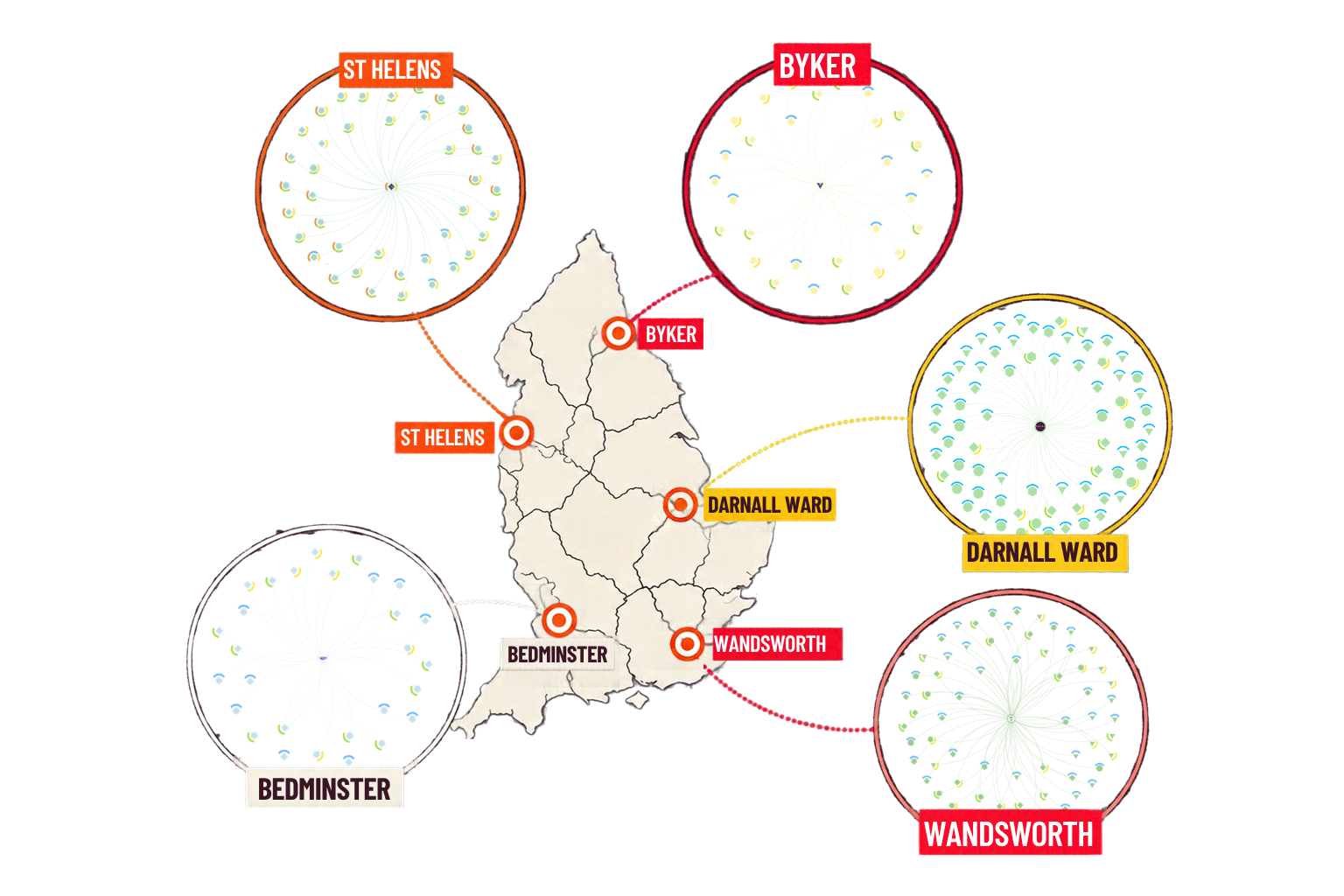
Each of the five Local Property Partnerships is mapping and building its own web of relationships, dozens of connections across councils, funders, landowners, mentors, community groups and local residents, all needed long before a building ever comes into view.
Inspired by Onion Collective, it's a way of showing the foundational work this takes, and why that work needs resourcing in its own right. A building is one outcome of a web like this, but the connections themselves often lead to many more collaborations too.
And it's this web, built relationship by relationship, that quietly does the unlocking.

240+
relationships developing
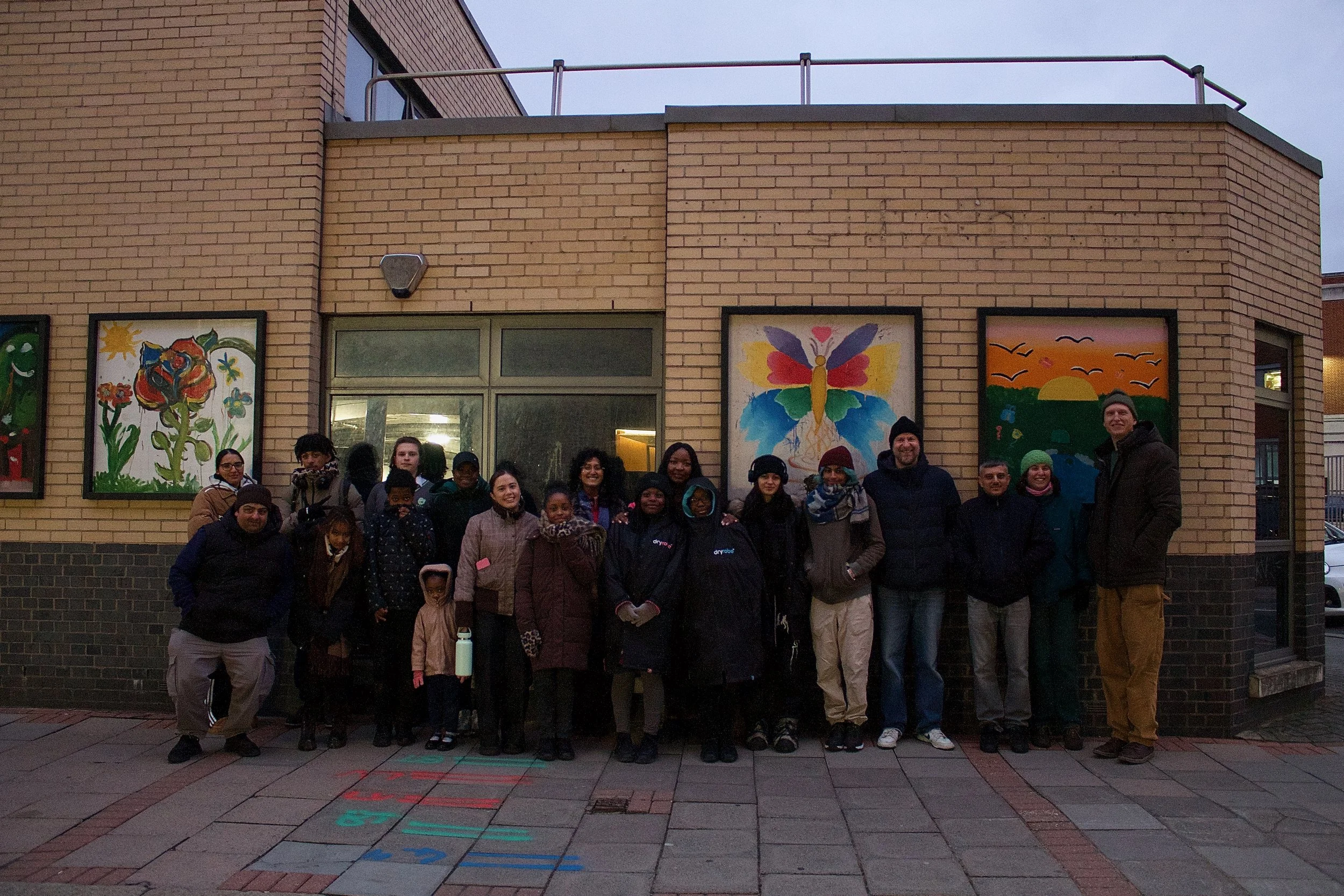
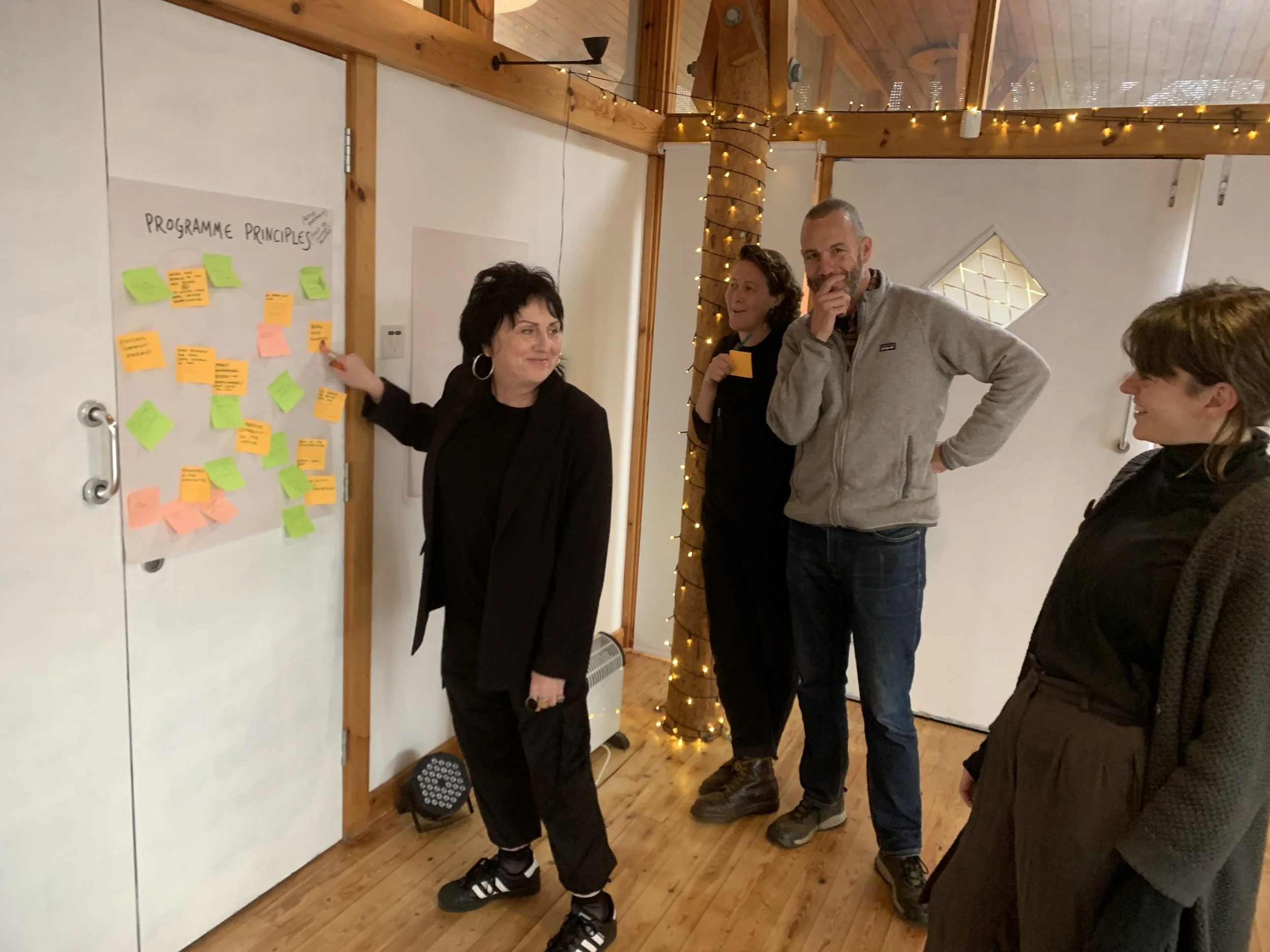
Wandsworth Town Property Partnership’s web of relationships includes the developers they are in conversation with about live schemes.
Photo description credit @Olivia Kerr
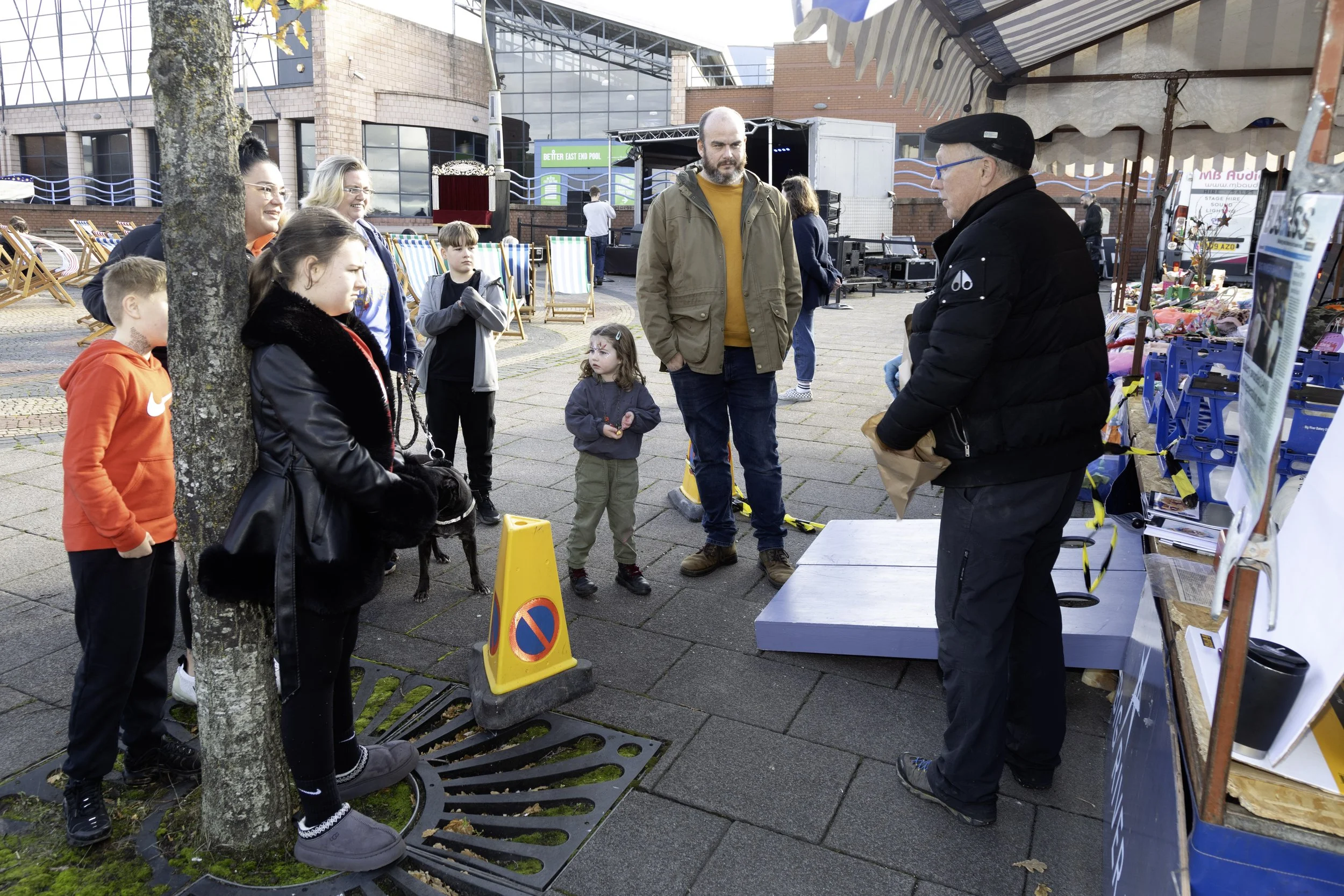
Big River Bakery’s web of relationships includes a mentor, Martin at Tyne & Wear Building Preservation Trust, who supports the team on negotiation and strategy.
Photo credit @Big River Bakery
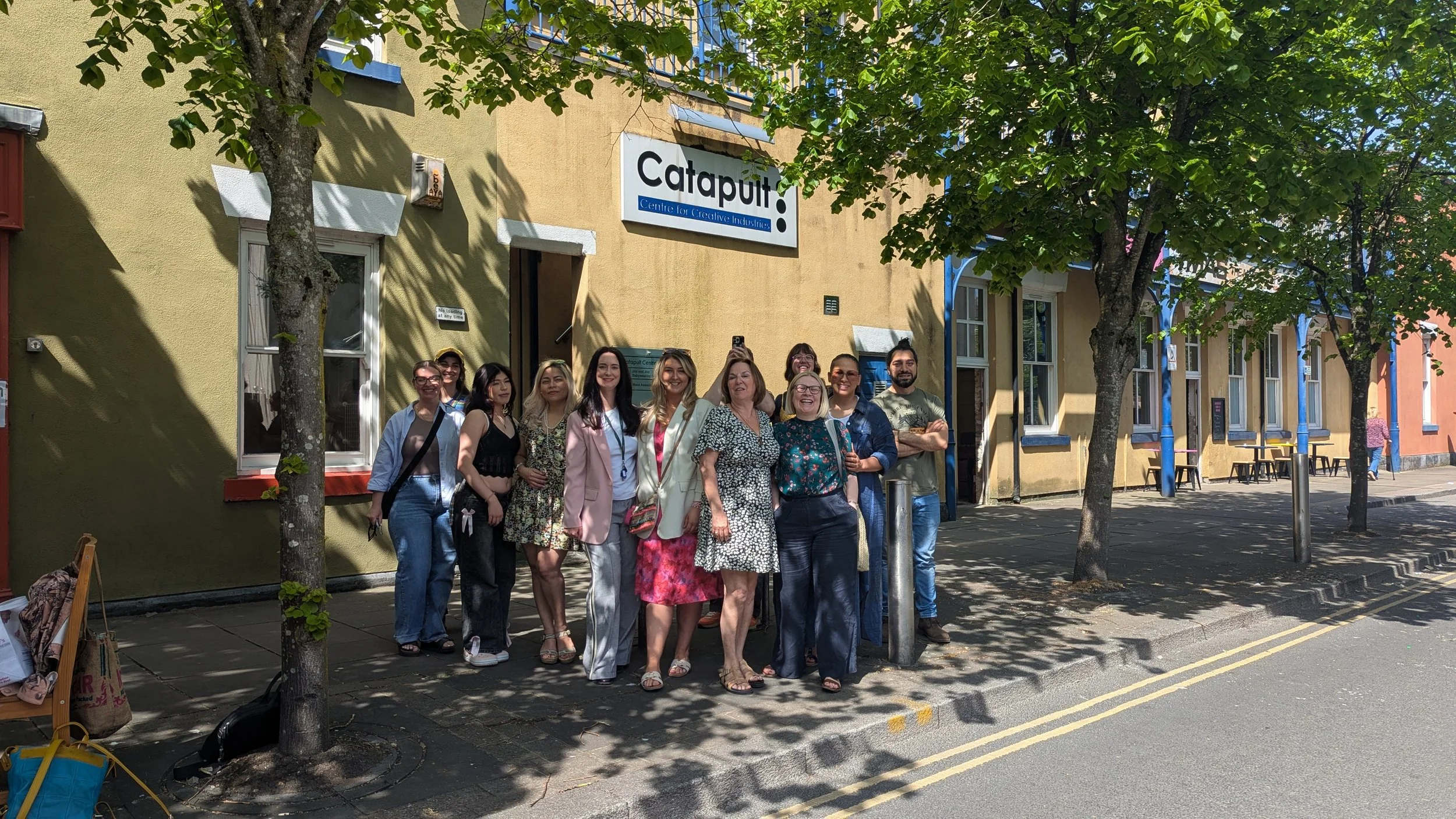
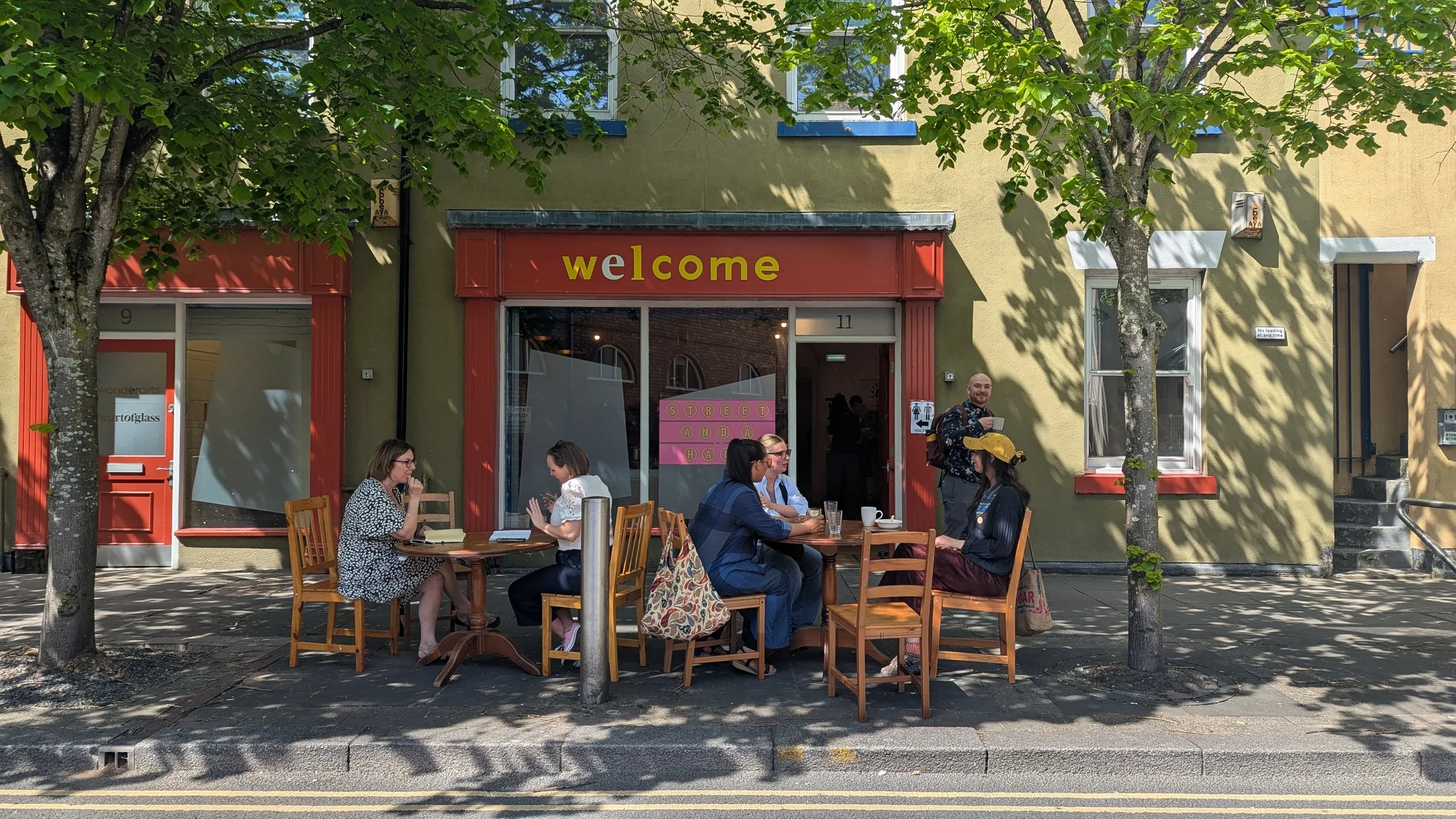
Kindred LCR’s web of relationships includes the council and Make CIC, who worked with the team on the Street and a Half feasibility.
Photo credit @Kindred
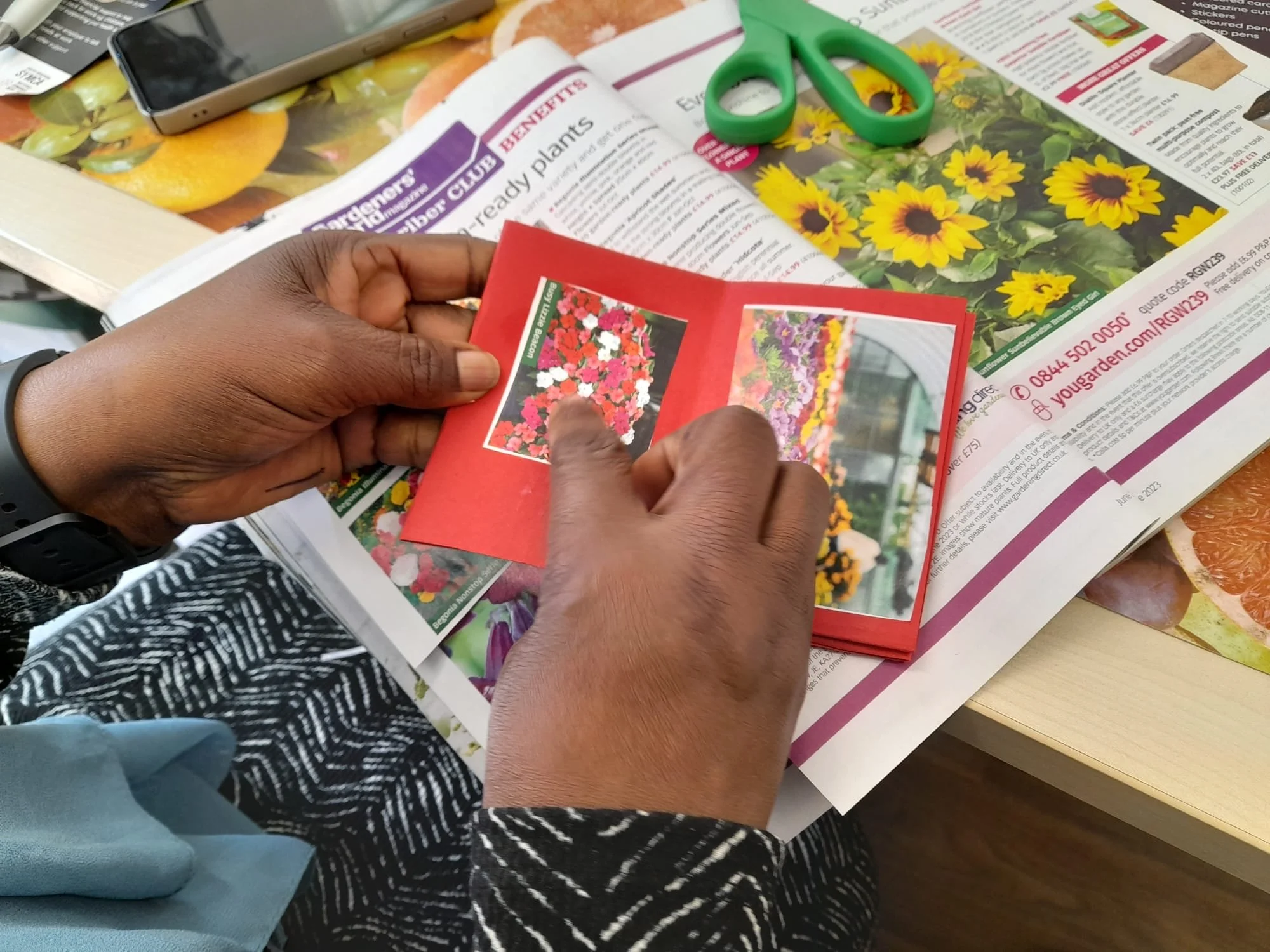
Brightbox’s web of relationships is growing through newer community workshops alongside Material Cultures.
Photo credit @Brightbox
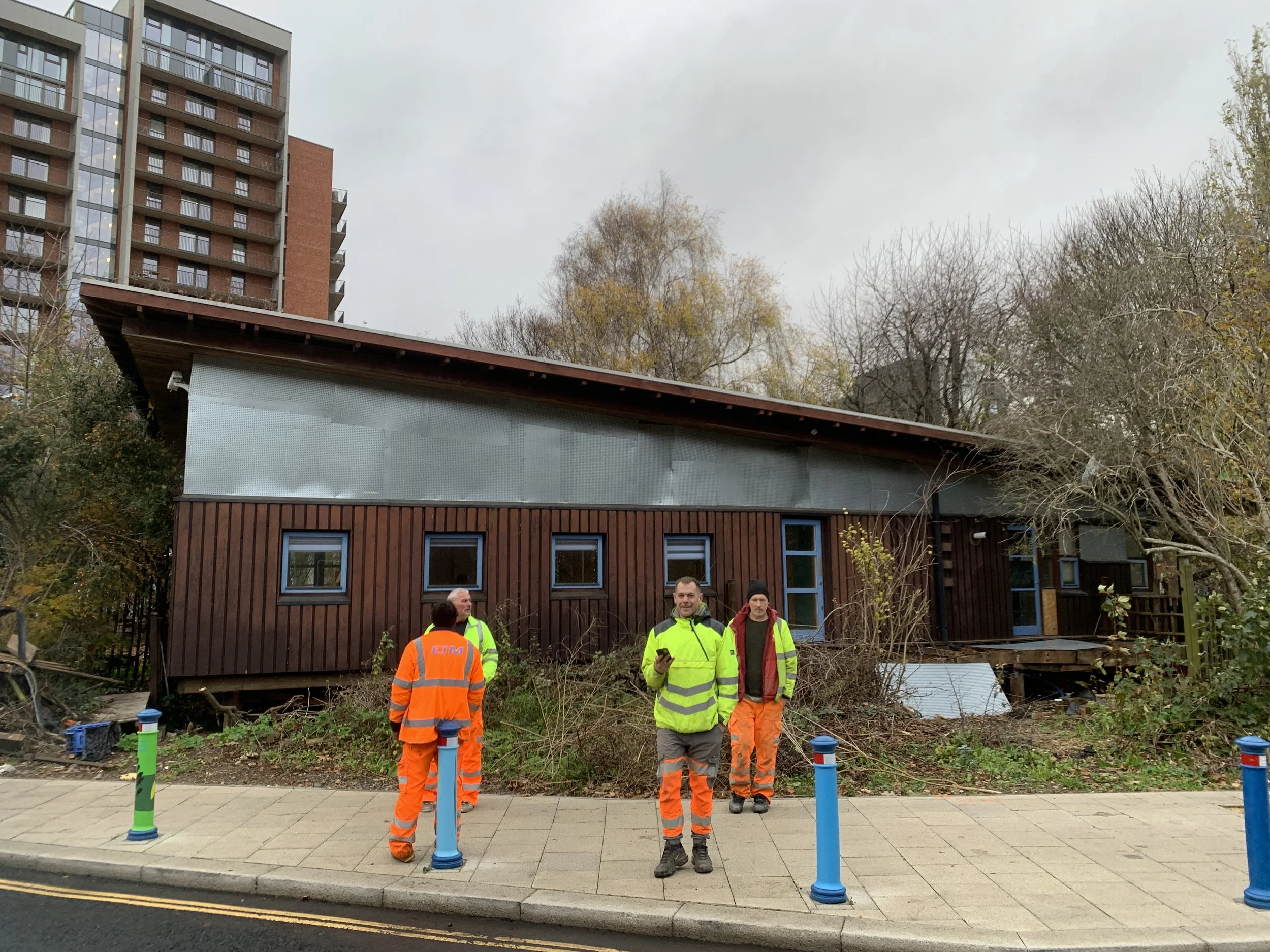
Bedminster Works’ web of relationships includes the high street traders they are getting to know at a pace that works for them.
Photo credit @Bedminster Works
What would more time make possible? For Alex at Brightbox, it’s keeping community partners involved from start to finish, which is something short funding cycles make hard for anyone, however committed they are to partnership.
"Having more time, would allow us to finish it all through and ensure community partners are part of the process along the way. One of the issues with shorter-term projects is that when deadlines creep up, the ethos around partnership and co-design starts to dwindle."
- Alex, Brightbox
Here’s what’s worked so far, and what it’s starting to unlock:
-
In Wandsworth, three to four developers are now meaningfully engaged, with some beginning to redesign schemes around community needs. The partnership attributes this directly to positioning themselves upstream in the planning process.
"We've looked to work upstream, planning-wise, with asset owners — profiling them, classifying them based on their strategic importance to the delivery programme, and how their development might be aligned to the growth plan." - Shiza, Wandsworth Town Property Partnership
(How to do this: see “Position yourself upstream with developers” in Part C.)
-
Kindred LCR is working directly with local authorities on potential asset transfers in both Knowsley and St Helens, identifying buildings that are long-term vacant or recently fallen out of use.
"St Helens is where we're seeing the most traction and action - we spend a lot of our time liaising with the council there, and they're really keen on the asset transfer, so that's become a bit of a priority for us." - Andrew, Kindred LCR
-
Stakeholders are now inviting Brightbox into conversations earlier and beginning to see community-led models as viable, a shift that didn't exist 18 months ago.
"Brightbox has historically worked in many communities and co-designed maker spaces for years, led arts and culture programmes, and is really confident doing that, and doing it well and ethically. In terms of actually leading a community ownership process of a building - that is new." - Alex, Brightbox
-
Bedminster Works has mapped fifteen buildings mapped across the area, with feasibility work revealing which are realistically within reach, backed by a resident-led governance structure built specifically for this purpose.
"We've built relationships with residents largely through attending resident gatherings and get-togethers, and on various communication channels — alongside a paid community panel of local residents who meet regularly to help inform decisions." - Johanna, Bedminster Works
(How to do this: see “Anchor yourself in place” in Part C.)
-
A major housing association is now applying LPP learnings to their wider programmes, part of a broader shift in engagement spanning both local and national levels.
“When large property owners, like Lloyd's Bank, are looking to offload bank property. To be able to respond quickly and to bring in architects and other professionals to assess a building, is essential - if we hadn't had the funding, and time we just couldn't have done that." - Andy, Big River Bakery
-
Relationships across different sectors have begun to improve in every one of the five places.
"The one thing that has surprised us all the time is the amount of energy, entrepreneurialism, people that want to do stuff within their communities — they just need space and support." - Andrew, Kindred LCR
None of this happens in isolation, each partnership is drawing on a much wider web of relationships, from residents and community groups to agents, and academics.
Examples of supportive stakeholders taking action:
-
Council partnership is a core aim of every Local Property Partnership and there are some really positive examples across the programme: In Wandsworth, £40,000 from the Greater London Authority (GLA) has been secured, alongside close working with Wandsworth Council.
In Bedminster, Bristol City Council sits at the heart of the Community Interest Company itself, as a founding partner.
In Byker, the North East Combined Authority and a local councillor sit alongside Big River Bakery and Northumbria University.
Elsewhere in the programme, Kindred LCR is working directly with local authorities on potential asset transfers in Knowsley and St Helens, and in Darnall Ward, Sheffield City Council is directly engaging with Brightbox about a community asset transfer opportunity.
-
In Byker, Karbon Homes is collaborating with Big River Bakery on local consultation workshops and exploring how underused spaces within housing developments could best serve local needs. Karbon homes worked with Big River to unlock Historic England, in collaboration with other community organisations.
-
In some cases developers still view community-led organisations as essential partners - "the magic sauce", particularly where Section 106 outcomes and social value metrics intersect with planning decisions.
In Knowsley, private owners are increasingly approaching Kindred LCR with problems they cannot solve alone.
Across the programme, three to four developers in Wandsworth alone are now engaged meaningfully, with the partnership's ability to offer architectural critique, viability insights and operational modelling strengthening their standing.
A Local Property Partnership said of their experience:
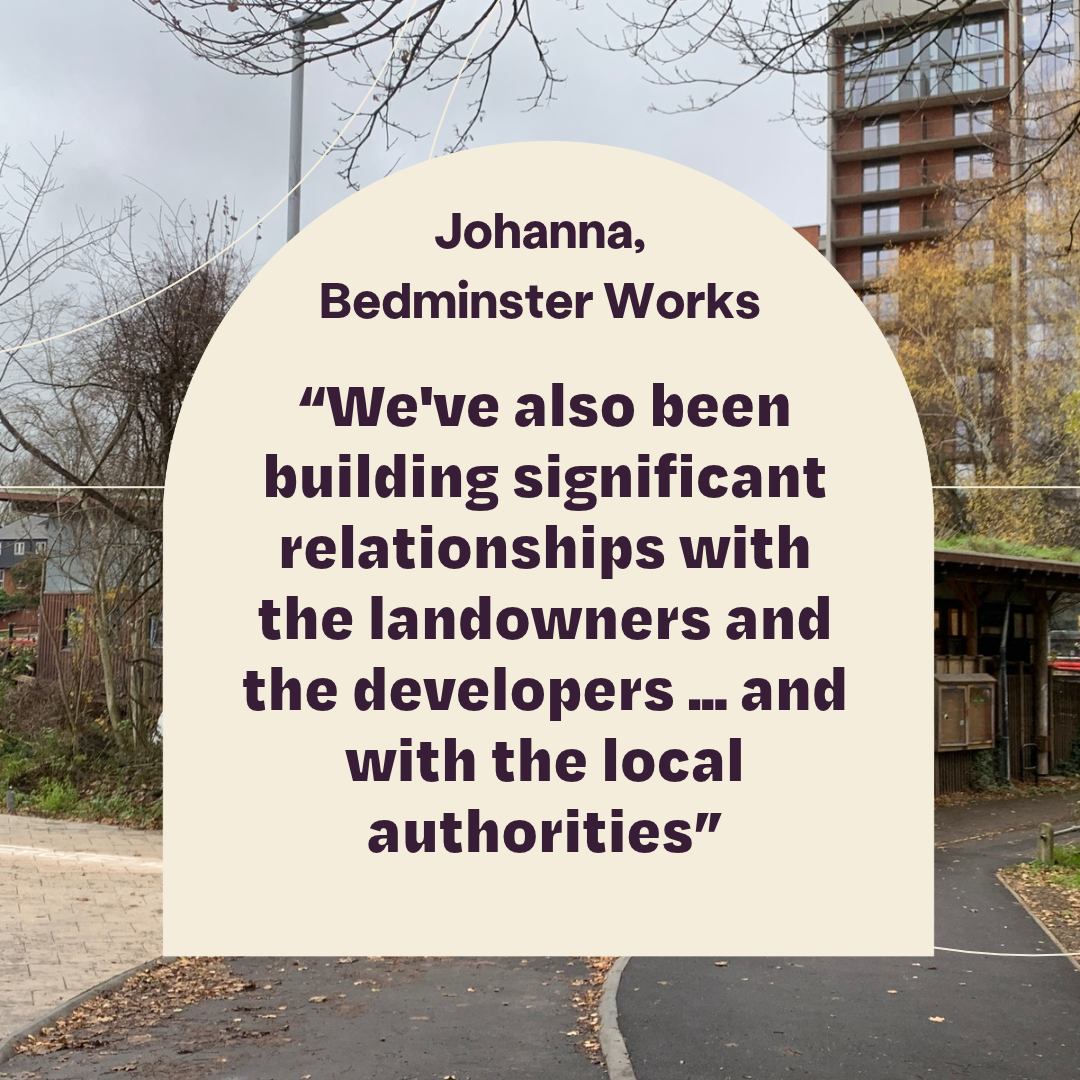
"What we've found is how much further we can get as a broker rather than just as an advocate with a particular position. We’re looking for the common ground, the mutual business. So we can have more of a conversation with the landowners and the developers if we can say, we have this solution that could fill your space.”
— Johanna, Bedminster Works
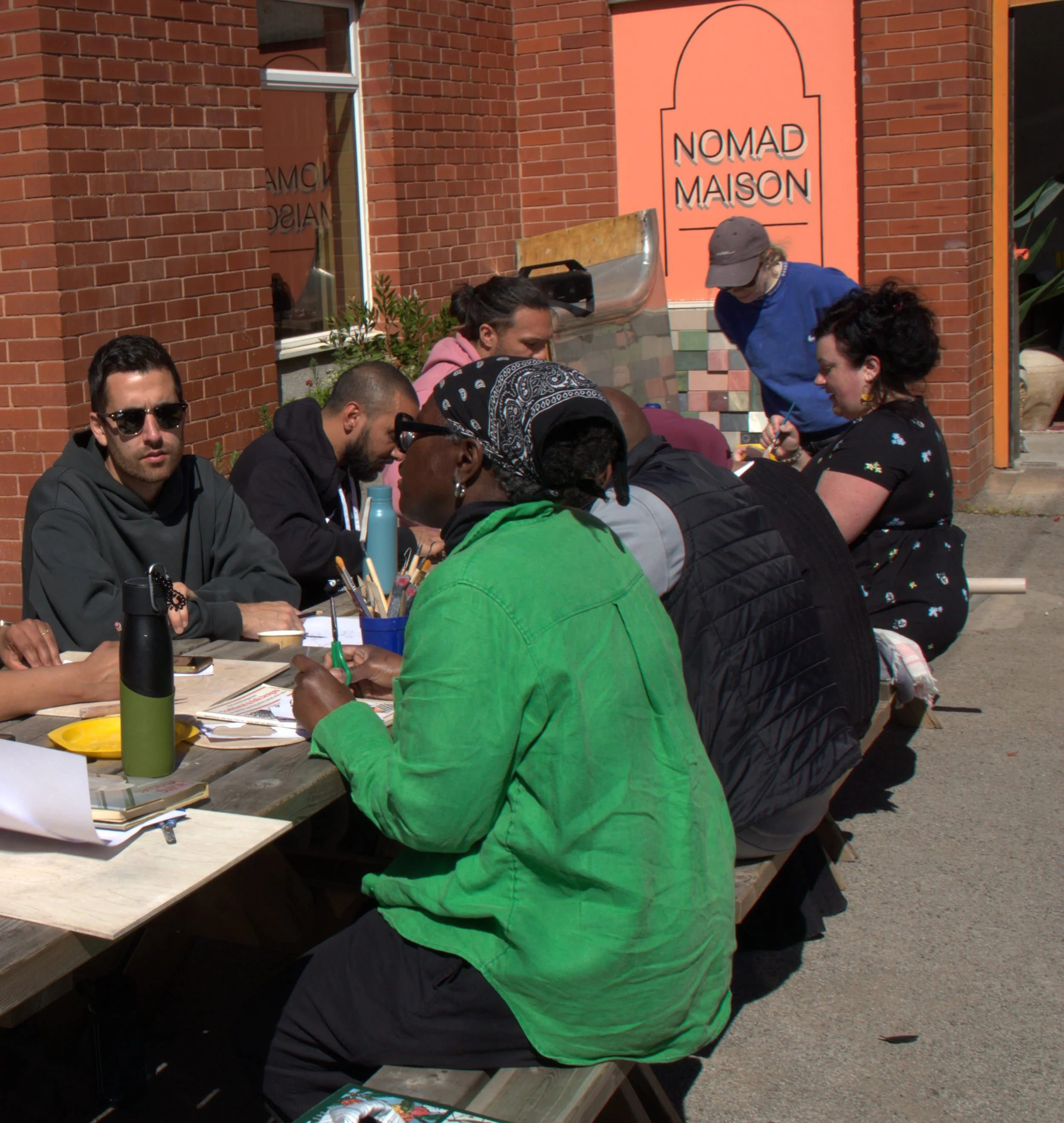
Photo Credit: Lychee
Spotlight on Darnall - building Brightbox’s first community-owned space in Sheffield
In Darnall Ward, Brightbox is working to acquire its first community-owned building, a direct response to decades of empty building stock left by industrial decline in the 1990s, and residents currently reliant on limited council facilities or space borrowed from local mosques and anchor hubs.
Rather than acting alone, Brightbox has deliberately taken a partnership model - a departure from how the organisation has worked before - and completed a viability study (funded by the Architectural Heritage Fund) alongside three local partners: Darnall Wellbeing, Darnall Education and Sport Academy (DESA), and Sheaf Young Explorers.
"We really didn't want to come in, take over, as an external body and sweep up all the prized and rare assets. So we really wanted to get to know local organisations, local residents, and make sure we were understanding the needs and priorities — and then, crucially, making sure that those people were part of decision-making processes, that they were coming along the journey with us." - Alex, Brightbox
A tip that keeps coming up across all five partnerships: Start with the people and strengths already in the neighbourhood.
Here’s what that looks like in two more places:
"We're not starting from scratch - we're working to existing strengths.
We've developed relationships with the existing network of community organisations and activists already working in the area — working to their strengths, and building on the gaps that exist."
— Johanna, Bedminster Works
"There's real demand for this, and people are ready to join in.
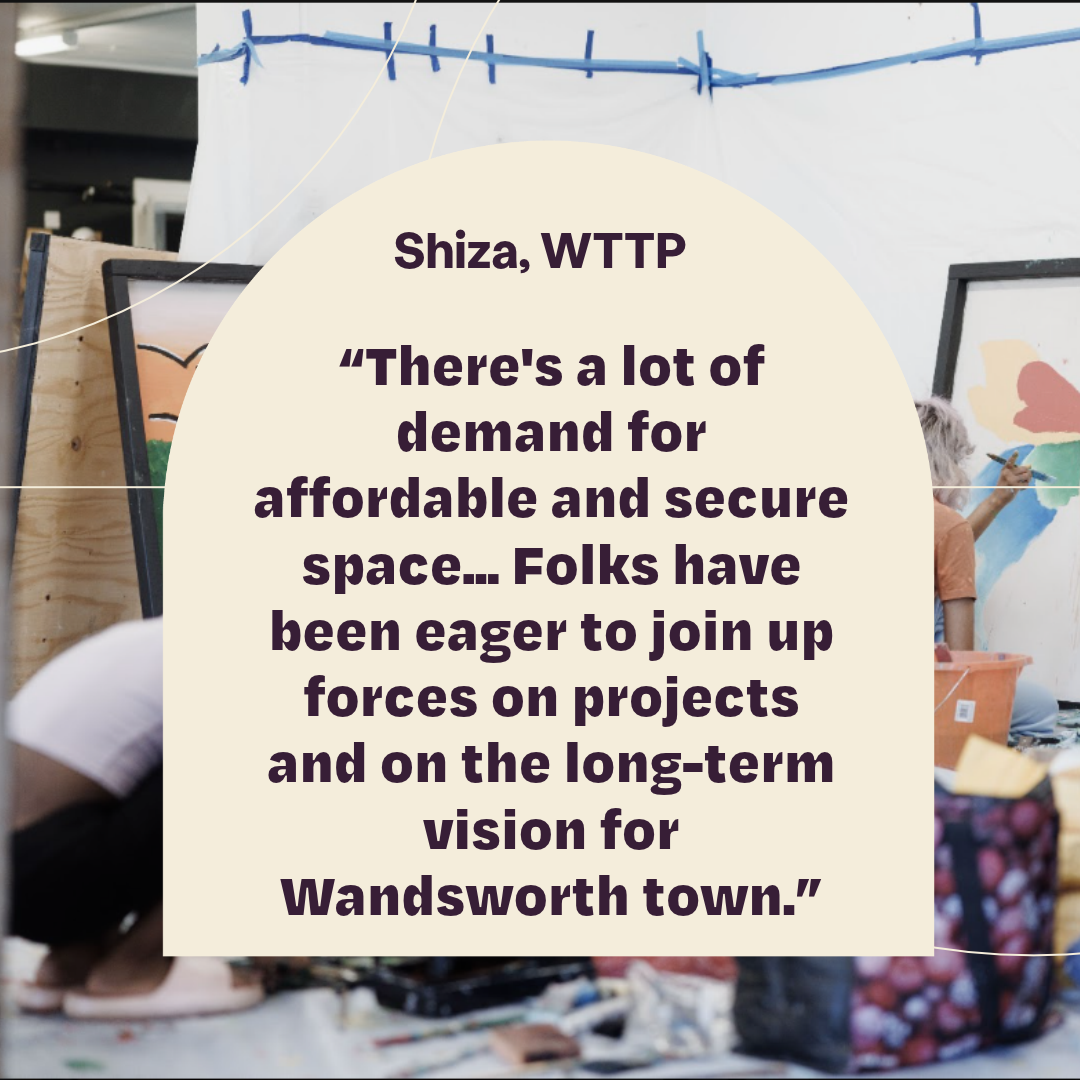
There's a lot of demand for affordable and secure space, and a demand for making Wandsworth town a better place to live, to work, to thrive. Folks have been eager to join up forces on projects and on the long-term vision for Wandsworth town."
— Shiza, Wandsworth Town Property
Partnership
How they’re…
Co-designing with the local community
“We always say that communities know what they want and need. They just need spaces to do it in and support on the ground.”
How they’re…
Building the relationships that unlock buildings
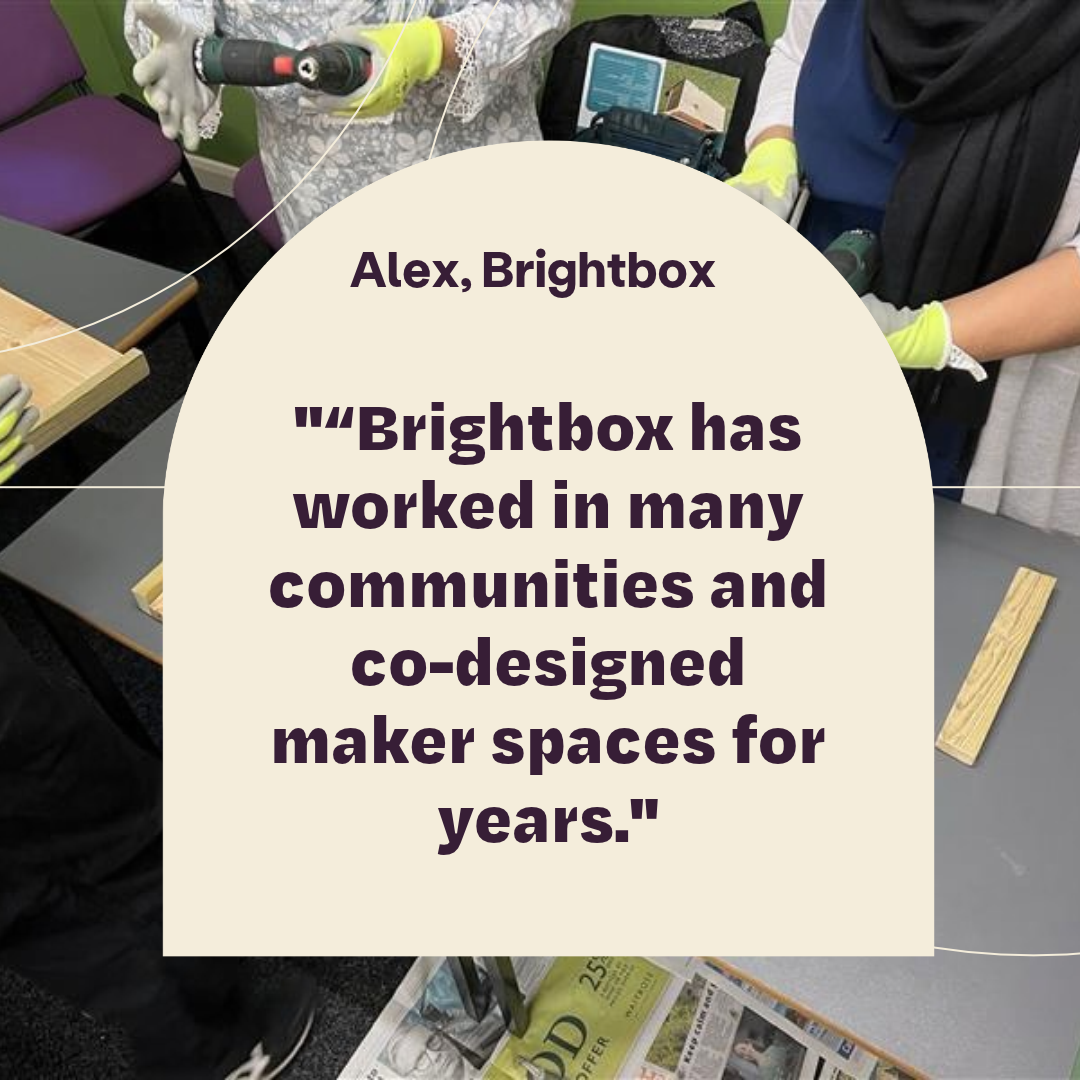
Show your intent through small, hands-on activities with groups already in the area.
Brightbox has run a litter-pick with housing estate residents, a woodwork workshop with a local primary school, hedgehog home-building with Tinsley Ladies Group, and mosaic-making with Darnall Wellbeing.
©
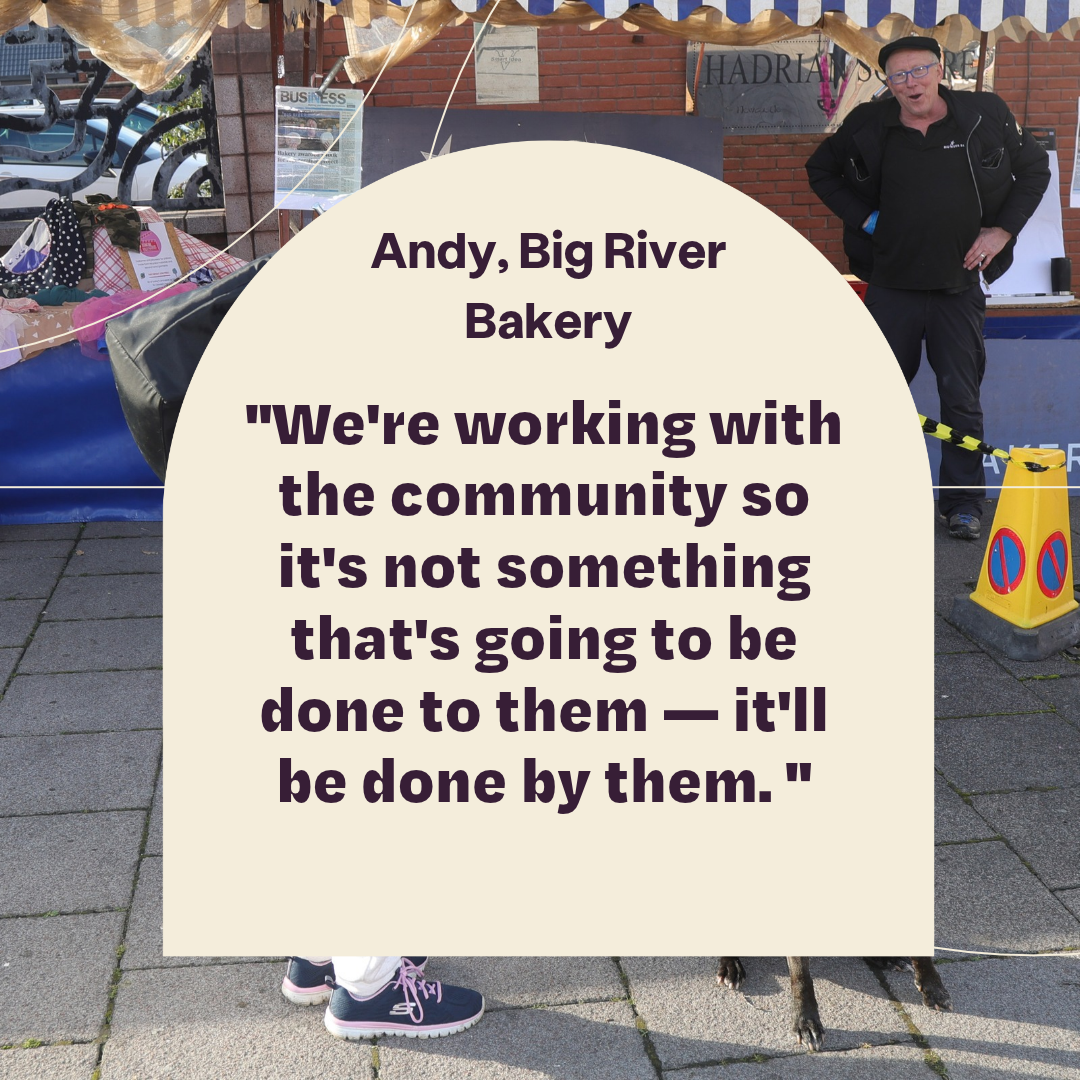
Turn a consultation into a game at an event that already exists.
At a council-coordinated high street event, Big River Bakery asked people to vote on their hopes
for the area through "stottie hoying". It surfaced insights on food poverty, training and employment that still shape the partnership's priorities.
© Big River Bakery
Ask for people's hopes from the moment the doors open.
When the Street and a Half opened, the first thing visitors saw was a noticeboard asking "What are your hopes?", with tags for people to share their dreams for the space.
© Kindred
Let the community shape the space itself.
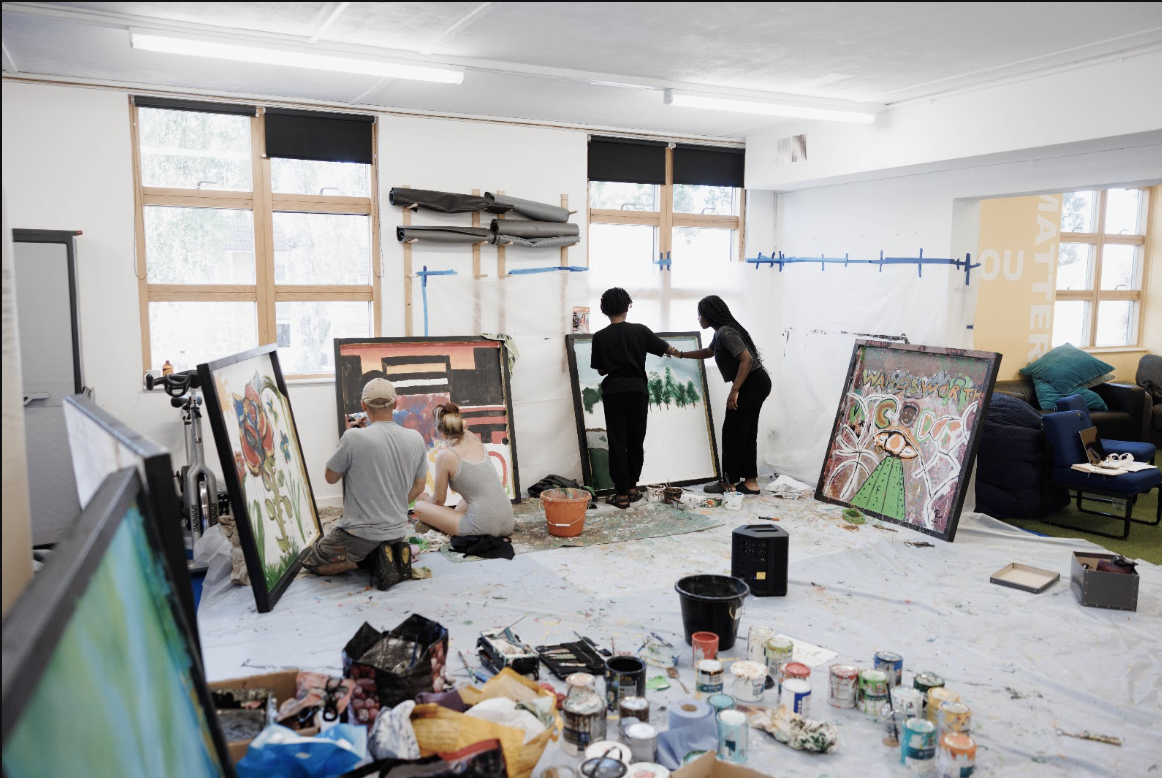
ARC LRE Ltd gave the go-ahead for the partnership to commission and co-design a community mural on the site of their agreed social value lease, putting local stories into the shared space.
© Nahwand Jaff
Create space where community concerns can be voiced openly.
People carry responses to past regeneration efforts, and making room for them has rebuilt trust with partners who were initially uncertain or sceptical.
© Bedminster Works
A Local Property Partnership said of their experience:
"Without the programme, I don't think we'd be sitting at the tables that we've been able to sit at. I don't think we'd be able to have the conversations we've been able to have. It's given us the credibility and the sense of backing that just changes our entry level "
— Johanna, Bedminster Works
Part B
Blockers and barriers
What are some of the roadblocks in the journeys of Local Property Partnerships?
Eighteen months in, the partnerships know exactly where the system works against them. These aren’t just local problems - they’re structural ones. Here’s what’s getting in the way, and who has the power to change it.

All illustrations by Visual Thinkery
Barrier 1
When the will is there but the walls aren't
Community leaders are building genuine trust with councils and asset-owning organisations. The will to support is often real - but internal silos mean goodwill doesn't always translate into action.
Many organisations are working with limited capacity and with structures that weren’t designed with community partnership in mind. Property teams are often focused on generating value, while regeneration and community teams focus on creating space for communities, and each is working to its own priorities with its own pressures. These structures predate the individuals working within them, and they shape how much room there is for a different way of working, even where the will to support is strong. Developers, too, operate within long-established systems of ownership that weren’t built with community partnership in mind.
In many local authorities, different teams are working towards different goals. A property team may be focused on generating income and value from council-owned buildings, while a community or regeneration team is focused on creating space for local groups. Both are doing their job, but they don't always sit in the same conversation, so support from one part of the council doesn't always turn into action from another.
Barrier 2
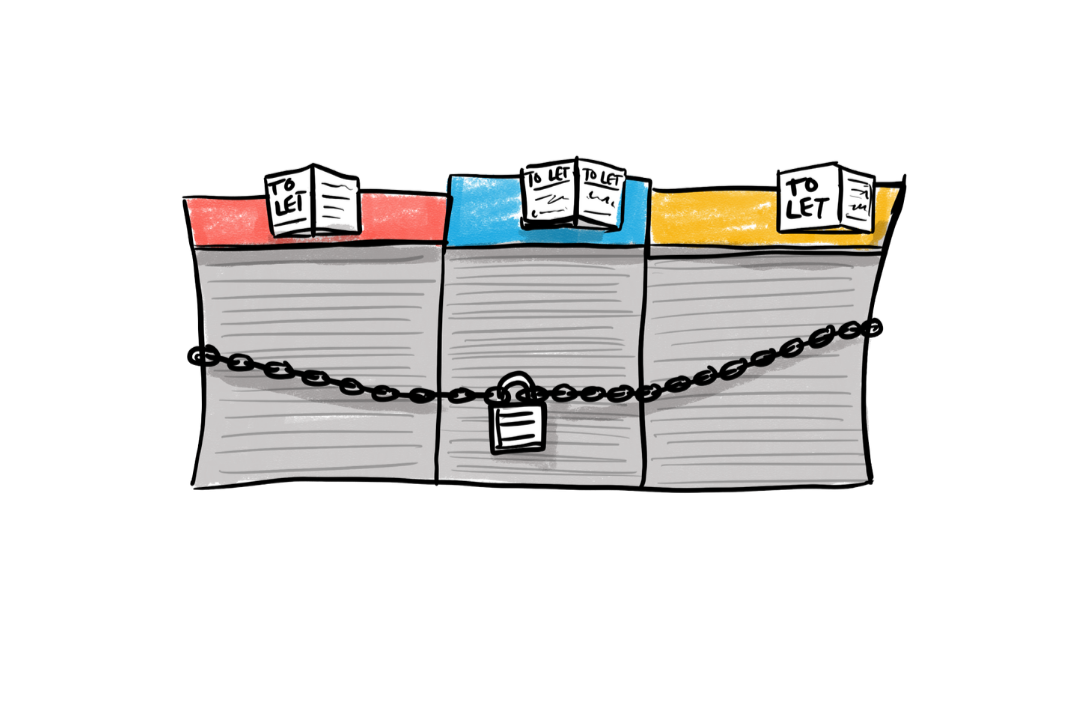
Speed: the market doesn't wait
Community asset developers are moving at the speed of trust when it comes to building relationships. Grant funding can take up to a year or more to come through, and there can be many fundraising phases along the journey.
The commercial property market moves at the pace that profit demands. Developers often need community partners ready in time for planning decisions, while collective decision-making takes the time it takes. The gap between those two speeds is where buildings are lost.
Barrier 3
The funding landscape works against collaboration
Without easily accessible grant capital to acquire buildings, community organisations may have to take unaffordable debt, reduce high-impact activity, or enter into unfavourable partnerships.
The funding landscape too often incentivises competition over the collaboration that communities need. Picture a fund with five grants to award in one area, and ten local organisations applying. Each has a good reason to make its own case and little capacity to share what it knows, so groups that could be working together end up competing for the same pot. Alongside competition, community organisations point to two barriers to growth: a lack of capital funding, and a lack of access to properly viable properties, especially in clusters.
Barrier 4
The weight of the past
In many of these neighbourhoods, communities have experienced regeneration cycles that promised change and delivered fragmentation. Rebuilding trust in that context is not just hard - it's emotionally demanding work that rarely gets counted.
The high street continues to be shaped by cycles of external investment and retreat, leaving behind fragmentation, declining trust, and a lingering internalised shame around the visible signs of economic struggle.
Barrier 5
Capacity and wellbeing: the hidden cost
Even with resourcing, this work rarely lets up. The emotional labour involved in building relationships across sectors; holding community concerns, navigating institutional processes, worrying about cashflow cliffs, and sustaining partnerships over years, is rarely visible in reports or budgets. But it is carried, always, by people.
Across the five partnerships, the additional hours, volunteer time, and personal energy that goes into this work sits largely outside what funders see. The partnerships are doing this because they believe in it - but the sector needs to be honest about what it asks of people to make this kind of change happen.
Barrier 6
Governance: complex, costly, and not one-size-fits-all
Developing governance structures to steward assets effectively is one of the most time-consuming and expensive parts of this work - and there's no single option that ticks every box.
Trade-offs include speed of establishment, charitable status, business rates relief, and risk. For community organisations, the process generally requires expert advice and a reliance on pro-bono input or dedicated funding.
Not sure where to start? See our Governance 101 resource
Part C
Tactics today
How are the Local Property Partnerships building the cross-sector relationships that make things happen? Here are some approaches you can try in your neighbourhood…
-
Every partnership in this programme began with extended community listening before any property conversation.
Big River Bakery handed out stotties (local bread rolls) and asked questions.
Bedminster Works sat with community fatigue before making plans.
Brightbox ran school workshops and youth safety mapping. Their partnership model is based on trust, mutuality, and learning - not transactional engagement.
-
One practical reframe that embeds shared stewardship: "How far along is this project?" becomes "How far along are we with this project?"
This shift repositions responsibility with all partners rather than placing it on one actor. Meetings structured to allow lived experience to be heard alongside technical expertise have strengthened buy-in and trust among partners across the programme.
-
Across this programme, showing up, inviting people in, and embedding in local rhythms has been a defining feature of the the work that is most rooted in its neighbourhood. Meaningful conversations often happen directly or take place through trusted networks rather than formal structures - going through trusted people, not formal channels.
-
Strategies taken to identify buildings and owners include tools like LandInsight, planning portals and the Land Registry - as well as walking and talking: speaking to residents, neighbouring businesses and estate agents for local intelligence.
Kindred's approach is intentionally unsophisticated: property lettings websites, local social media, continuous site visits, and informal conversations with town centre managers - an "action-based learning" approach that stands in contrast to formal property mapping databases which offered information but no pathway to action
-
The most effective partnerships in this programme have intervened early in development cycles; tracking planning applications over years, understanding the financial calculations that show whether a scheme stacks up (known as viability models), and challenging architectural assumptions. This positions community organisations at moments of maximum leverage, rather than being consulted at the end. As Kindred put it, now is the moment to "get a wiggle on" - signals from decision-makers are positive and momentum is building.
-
A personal introduction goes a long way. Get clear on what you need from a space and what you can offer. Think about who you're speaking to and what they care about or are trying to achieve, and show how your offer fits with that. Write a simple two-page proposal as a teaser. Then keep the conversation going: follow up, stay in touch, and be ready to adapt as things change.
-
Seek out people and networks who have done this before. Experienced CADs and support systems can help you troubleshoot, prepare for negotiations and avoid reinventing the wheel each time. For the five partnerships, the space to come together, through regular learning calls and residentials, has been a key form of support alongside the work on the ground. The majority of the Local Property Partnership are also matched with a peer mentor from the wider Platform Places network, including CIVIC SQUARE, Makespace Oxfordshire, Tyne & Wear Building Preservation Trust (TWBPT), Stour Trust, Civic Square and Chichester CDT.
Reflections from the field:
Part D
Transformation needed
The partnerships are doing extraordinary things within a system that is not designed for them. Here's what needs to change - and what each sector can do to make this not just possible, but normal.
“Even with resourcing, this work is almost never-ending. Being able to try stuff that doesn’t work, I think, has been really invaluable — you’re pushing back against a market that doesn’t really understand community asset development in lots of cases.”
1. Funders and investors
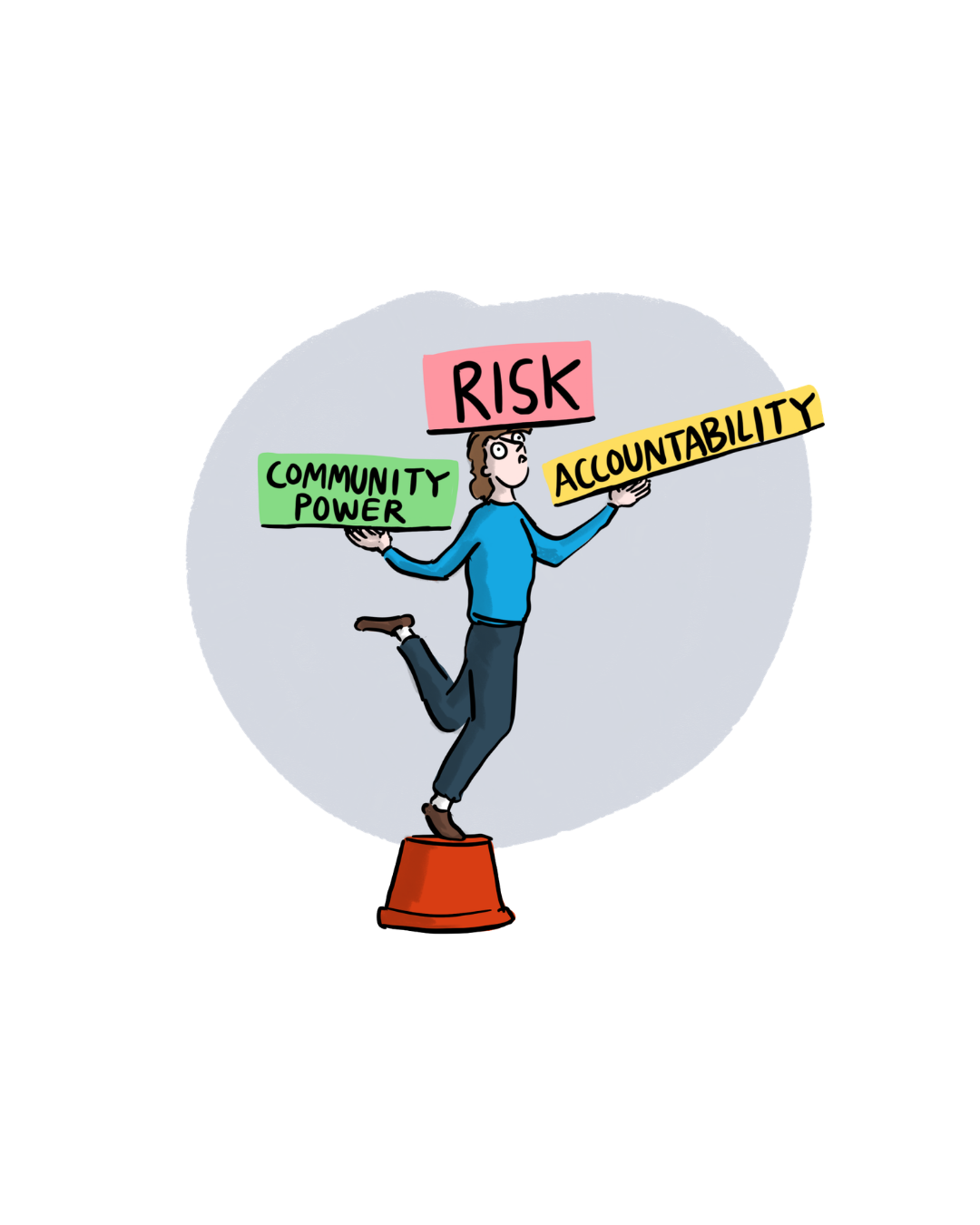
Kindred recently rewrote their risk policy, reframing the question from "What is the risk if we do this?" to "What is the risk if we do not?" It's a question the whole funding sector needs to ask. Eighteen months in, the partnerships have demonstrated that relationship-building is not a precursor to the real work — it is the real work. It needs funding accordingly.
Recognise relationship-building as infrastructure: fund the coffees, the convenings, the slow work of trust before a deal is anywhere in sight
Quick-to-access capital: community organisations need to be able to move when a building becomes available, not six months later
Patient, flexible revenue funding: long-term core funding that covers salaries, not just projects
Acknowledge the emotional labour: this work takes a personal toll; wellbeing support should be a fundable cost
2. Councils and local authorities
All five Local Property Partnerships are now engaging directly with their local council. That matters. But it's not enough for goodwill to sit at the top, it needs to flow through organisations, connecting property teams, planning departments and community investment functions so that a relationship built with one person doesn't stall when they move on.
Treat community-led partnerships as long-term partners, not short-term grantees or one-off consultations. This is partnership, not charity
Connect your internal silos - property, planning and philanthropy need to work together for this to function
Share assets and open doors. Introductions to landlords, access to council-held properties, and first right of refusal go a long way
Value the relationship as an asset - a community partnership that knows your patch is worth more than a consultant who doesn't
3. Private asset owners and developers
The evidence from 18 months is clear: community organisations bring something developers cannot buy; local legitimacy, community trust, and insight that strengthens planning applications and social value outcomes. The partnerships that are working best are working with each other, not in separate lanes. not past each other.
Connect your social value and property teams - if they aren’t talking to each other, community partners can face additional challenges, placing significant demands on their already limited capacity.
Give community partners time to fundraise and communicate openly if a commercial offer arrives
Consider long-term social value leases as a model - as at 9 Ram Street, Wandsworth, these can deliver Section 106 outcomes while giving community organisations the stability they need
“We’ve looked to work upstream, planning-wise, with asset owners - profiling them, classifying them based on their strategic importance to the delivery programme…”
— Shiza, Wandsworth Town Property Partnership
4. Funding the infrastructure for relationships
Relationships between communities, councils, funders and developers don't build themselves. They rely on infrastructure: time to convene, peer support and mentors, and patient, flexible funding that keeps people in the work.
The people closest to a place know it best, and the systems around them should be built on that understanding. Every community asset developer in England should have access to this kind of support.
“We’re now working towards heads of terms on a long lease for a significant building in the area, and bidding for the renovation funds to secure it. That’s only been possible because of the partnership approach we’ve taken - being active in the community, and having the resources to bring in expertise like architects to help shape a serious proposal.”
Feeling inspired?
Do you have ideas or resources to support these, or other, community-led partnerships?
National support partners:
-

-

-
-

Programme funder:
The National Lottery Community Fund has supported Platform Places and partners with almost £2.5 million over three years — made possible by National Lottery players.